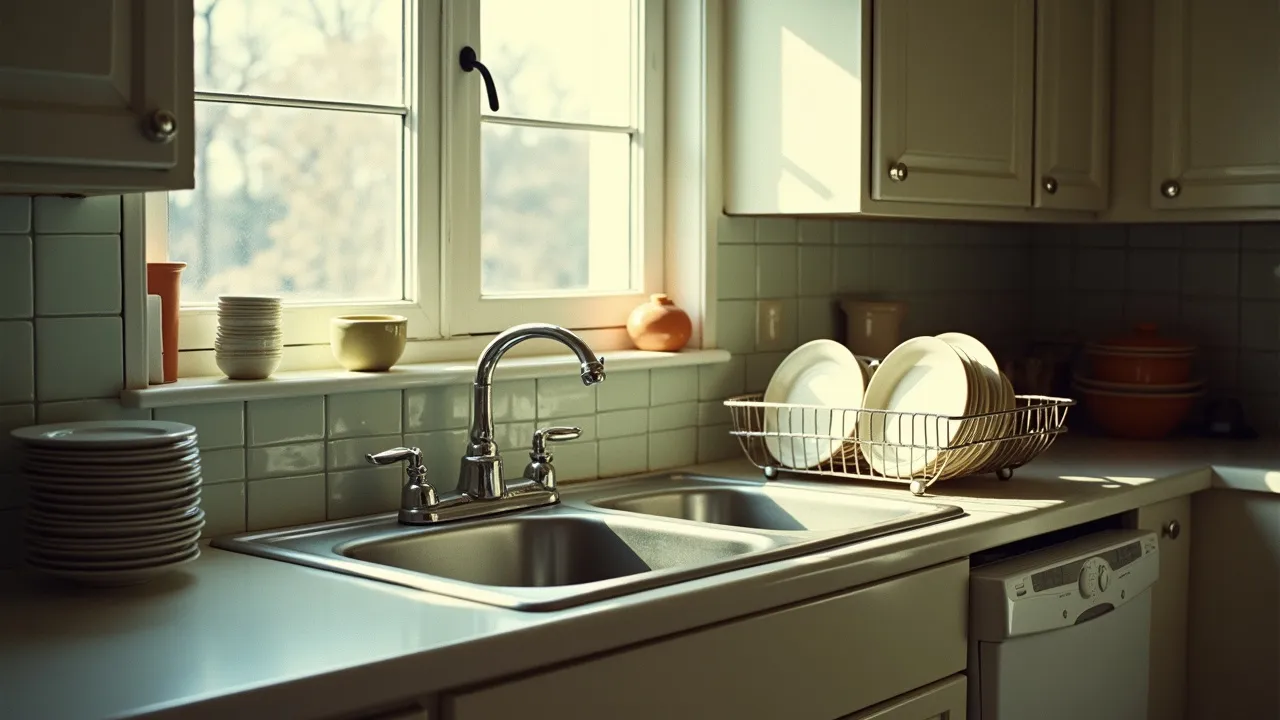
National No Dirty Dishes Day on May 18 celebrates the joy of a clean kitchen. Learn its history, global impact, and practical tips to keep your sink empty and your mind at ease.
The Historical Origins & Evolutionary Journey
National No Dirty Dishes Day, observed annually on May 18th, is a lighthearted yet meaningful observance that encourages individuals to eliminate the pile of dirty dishes from their sinks. While its exact origins remain murky, the day likely emerged from the growing home organization and convenience movements of the early 2000s. This section explores the historical roots, technological advancements, and cultural shifts that shaped this unique celebration.
The Foundational Catalyst
The concept of a day dedicated to clean dishes is deeply tied to the evolution of kitchen hygiene. In the early 20th century, washing dishes was a labor-intensive chore involving boiling water, soap flakes, and elbow grease. The invention of the automatic dishwasher by Josephine Cochrane in 1886 revolutionized kitchen work, but it wasn't until the 1950s that dishwashers became common in American homes. Post-World War II prosperity and the rise of modern plumbing made daily dishwashing easier, yet the chore remained a source of household friction.
The specific catalysts for National No Dirty Dishes Day are unclear, but it likely originated as a social media hashtag or a playful challenge among homemakers. By the 2010s, blogs and Pinterest boards dedicated to cleaning hacks popularized the idea of a 'no dirty dishes' pledge. The date May 18th was chosen arbitrarily, possibly to coincide with spring cleaning season or the approach of summer when outdoor dining reduces dish loads. Despite its ambiguous beginnings, the day has gained traction across the United States and beyond.
The Legislative/Official Adoption
Unlike many national observances, National No Dirty Dishes Day has no official government proclamation. It was not signed into law by Congress or recognized by the White House. Instead, it exists as a grassroots celebration promoted by lifestyle websites, cleaning product companies, and environmental advocates. Organizations like the American Cleaning Institute have unofficially endorsed the day, highlighting its potential to reduce water waste and promote mindful consumption. Some local communities have adopted the day as part of their 'green living' initiatives, but no formal legislative action has taken place.
Modern Global Legacy
Today, National No Dirty Dishes Day is celebrated primarily in the United States, Canada, and parts of Europe. In an era of busy schedules and takeout meals, the day serves as a reminder to pause and reset. Social media campaigns under hashtags like #NoDirtyDishesDay encourage participants to share before-and-after photos of their sinks. The observance has also inspired commercial promotions, with detergent brands offering discounts and restaurants featuring 'dish-free' menu options. While it may not have the gravitas of historical holidays, its emphasis on cleanliness, organization, and environmental responsibility ensures its enduring relevance.
How to Celebrate National No Dirty Dishes Day
Celebrating National No Dirty Dishes Day goes beyond simply washing dishes; it involves adopting habits that keep your kitchen pristine all day long. This comprehensive guide offers actionable strategies for individuals, families, schools, and organizations to make the most of May 18th.
For Individuals and Families
- Start the day with an empty sink: Wash all dishes from the previous night before going to bed or first thing in the morning.
- Use the 'one-wash' rule: Rinse and load dishes immediately after use to prevent buildup.
- Opt for one-pot meals: Cook meals that require minimal cookware and serving dishes.
- Designate a 'no dish' zone: Use paper plates or compostable tableware for snacks to avoid extra washing.
- Get the family involved: Turn dishwashing into a game with timers or music.
For Schools and Workplaces
- Organize a 'clean sink' challenge: Compete to see which classroom or department can maintain the cleanest break room sink.
- Educate about water conservation: Use the day to teach students about how dishwashing affects water usage.
- Provide incentives: Offer rewards for consistent dish-cleaning behavior throughout the day.
Global Traditions
While the day is most prominent in North America, other cultures have similar practices. In Japan, the concept of kirei (cleanliness) is deeply ingrained, and many households observe a 'no dishes left overnight' rule year-round. In Sweden, the tradition of fika often includes washing cups immediately after use. In India, after festive meals, families often clean dishes collectively as a bonding activity. Adapting these global approaches can enrich your celebration.
Environmental Impact of No Dirty Dishes Day
National No Dirty Dishes Day has significant positive implications for the environment. By encouraging immediate dishwashing, the day promotes water and energy efficiency. This section details the ecological benefits and how the observance aligns with sustainable living.
Water Conservation
Letting dishes pile up often leads to running the dishwasher partially full or hand-washing dishes multiple times. The U.S. Environmental Protection Agency estimates that an efficient dishwasher uses about 3 gallons of water per load, while hand-washing can use up to 27 gallons. By washing dishes promptly and efficiently, households can save thousands of gallons per year. On May 18th, participants are encouraged to run only full loads and to scrape rather than rinse dishes, reducing water waste.
Energy Efficiency
Dishwashers consume both water and electricity. Modern Energy Star-rated models use less than 270 kWh per year. Celebrating No Dirty Dishes Day by using the dishwasher's eco-cycle and air-drying can cut energy use by up to 50%. Hand-washing with hot water also consumes energy for heating, so adopting efficient habits reduces the household carbon footprint.
Waste Reduction
A clean sink discourages the use of disposable plates and utensils. Participants often opt for reusable alternatives, cutting down on plastic waste. The day also raises awareness about composting food scraps that would otherwise go down the garbage disposal. By keeping the kitchen tidy, families are more likely to cook at home, reducing packaging waste from takeout and processed foods.
Global Perspectives on Kitchen Cleanliness
Attitudes toward dishwashing vary widely across cultures, and National No Dirty Dishes Day offers a lens to explore these differences. This section examines how different countries approach the chore and what the global community can learn from them.
Europe: Efficiency and Tradition
In Germany, dishwashers are ubiquitous, and many households run them at night to take advantage of cheaper electricity rates. The concept of Ordnung (order) means dishes are washed and dried immediately. In Italy, hand-washing is still common, often done as a social activity. The day is observed in some Italian cities with community dishwashing events.
Asia: Minimalism and Mindfulness
In Japan, the practice of kirei extends to the kitchen, where every utensil is cleaned and stored with care. Many Japanese homes have small dish drying racks that fold away, reflecting a minimalist ethos. In South Korea, the use of dishwashers is growing, but hand-washing remains prevalent. The day is promoted by eco-conscious influencers on platforms like Naver.
Latin America: Community and Celebration
In Mexico, washing dishes after large family meals is a communal effort, often accompanied by music and conversation. On May 18th, some neighborhoods organize 'clean kitchen' parties where everyone helps. In Brazil, the day coincides with the start of the dry season in some regions, and the focus is on conserving water.
Psychological Benefits of a Clean Kitchen
Beyond the physical cleanliness, National No Dirty Dishes Day offers psychological rewards. A tidy kitchen can reduce stress, improve focus, and foster a sense of accomplishment. This section delves into the mental health benefits of maintaining a dish-free sink.
Reduced Anxiety
Clutter, including dirty dishes, can contribute to cognitive overload and anxiety. A study from the University of California, Los Angeles found that women who described their homes as 'cluttered' had higher levels of the stress hormone cortisol. By eliminating dirty dishes, participants often report feeling calmer and more in control of their environment.
Increased Productivity
A clean kitchen serves as a blank canvas for cooking and meal prep. When the sink is empty, individuals are more likely to cook at home, which can lead to healthier eating habits. The act of washing dishes can also be meditative; focusing on the task can provide a mental break from screens and work.
Family Bonding
Washing dishes together can strengthen family relationships. The shared responsibility teaches children teamwork and accountability. On May 18th, many families turn dishwashing into a fun activity with music and rewards, creating positive associations with household chores.
Future of National No Dirty Dishes Day
As society moves toward smarter homes and sustainable living, National No Dirty Dishes Day is poised to evolve. This section forecasts how the observance might change in the coming decades, from technological innovations to global expansion.
Smart Kitchens
Emerging smart dishwashers can be controlled via smartphone apps, schedule cycles during off-peak hours, and even order detergent. Future models may include sensors that detect when a dish is clean or when the filter needs cleaning. These innovations will make it easier to maintain a spotless sink year-round, not just on May 18th.
Global Adoption
With the rise of social media, National No Dirty Dishes Day is gaining traction outside the US. Influencers in the UK, Australia, and India are promoting the day, and translations into other languages are emerging. It may eventually become a globally recognized observance, similar to Earth Hour.
Integration with Zero-Waste Movement
The zero-waste lifestyle emphasizes reducing single-use items and conserving resources. No Dirty Dishes Day aligns perfectly with these principles, encouraging reusable dishes and efficient water use. As climate awareness grows, the day could be rebranded as a 'Sustainability in the Kitchen' day, broadening its appeal.
Historical Timeline
Josephine Cochrane invents the first practical automatic dishwasher, revolutionizing kitchen hygiene.
Electric dishwashers become available for home use, though they remain luxury items.
Post-war prosperity leads to widespread adoption of dishwashers in American homes.
Energy-efficient dishwashers gain popularity, reducing water and electricity use.
First known mentions of 'National No Dirty Dishes Day' appear on early cleaning blogs.
Social media campaigns using #NoDirtyDishesDay begin to trend in the United States.
Environmental groups adopt the day to promote water conservation, reaching millions online.
COVID-19 lockdowns increase home cooking, making the day more relevant; participation spikes.
National No Dirty Dishes Day is celebrated in over 15 countries, with global media coverage.