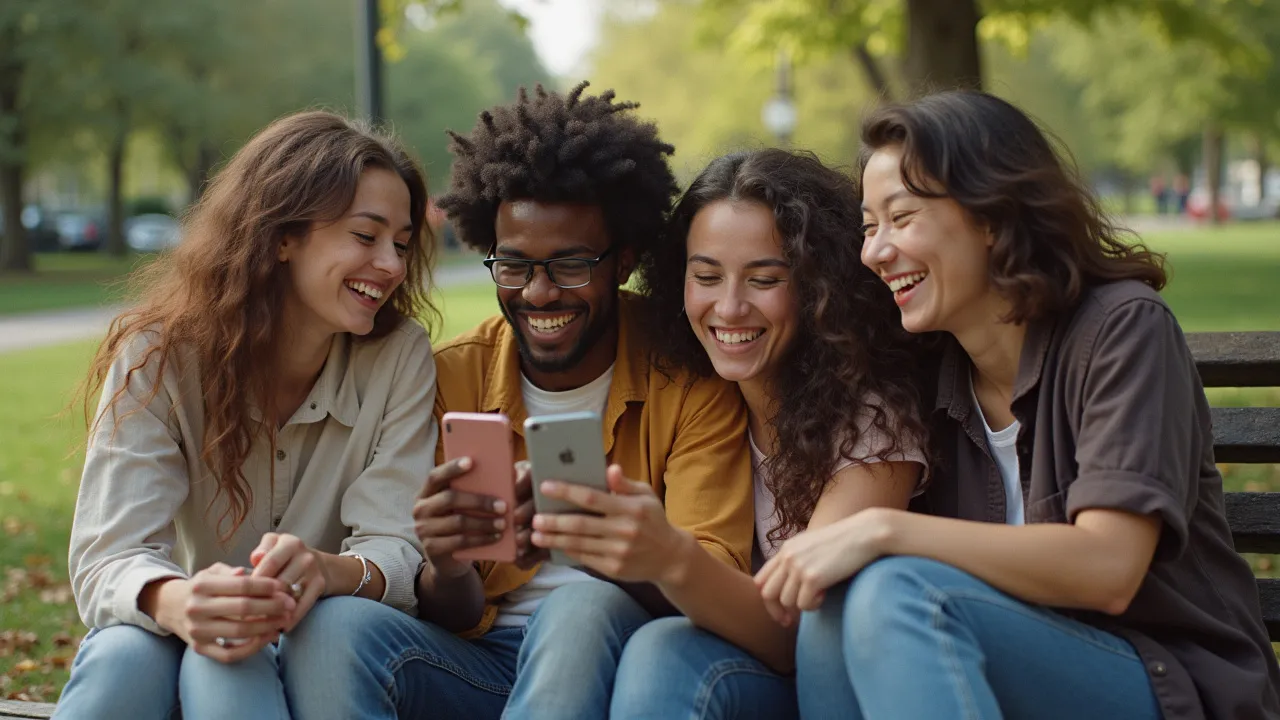
Viral Video Day on April 29th celebrates the phenomenon of viral videos and their impact on culture, entertainment, and communication. It honors the creators, sharers, and moments that capture global attention.
The Historical Origins & Evolutionary Journey of Viral Video Day
Viral Video Day is observed annually on April 29th, a date chosen by online communities and media platforms to celebrate the power of videos that spread rapidly across the internet. The day honors the creativity, humor, and unexpected moments that define viral content.
The Foundational Catalyst
The concept of viral video predates the internet. In the pre-digital era, short films and clips passed through word-of-mouth and broadcast syndication. However, the modern era began with the rise of video-sharing platforms. The first recognized viral video is often credited to "The Dancing Baby" (1996), a 3D animation that spread via email. But it was YouTube's launch in 2005 that truly catalyzed the phenomenon. Early hits like "Charlie Bit My Finger" (2007) and "Numa Numa" (2004) demonstrated how ordinary people could achieve global fame overnight.
The Legislative/Official Adoption
Viral Video Day was unofficially established around 2010 by social media influencers and digital marketers seeking a day to recognize the cultural force of viral media. It gained traction through hashtag campaigns (e.g., #ViralVideoDay) and was popularized by platforms like YouTube, Facebook, and TikTok. While not an official public holiday, it is widely observed in digital marketing calendars and by content creators worldwide.
Modern Global Legacy
Today, viral videos influence politics, advertising, and social movements. From the Ice Bucket Challenge raising ALS awareness to Gangnam Style breaking YouTube view records, the impact is immense. Viral Video Day serves as a reminder of the medium's power to connect, entertain, and inform.
How to Celebrate Viral Video Day
Celebrating Viral Video Day is about creating, sharing, and appreciating viral content. Here are actionable strategies for individuals, schools, and organizations:
For Individuals
- Create Your Own Viral Video: Use your smartphone to film a funny, heartwarming, or educational clip. Aim for authenticity; raw footage often performs best.
- Share Your Favorites: Post a classic viral video on your social media with the hashtag #ViralVideoDay. Remember ones like "Evolution of Dance" or "David After Dentist".
- Host a Watch Party: Gather friends or family to screen a curated playlist of iconic viral videos. Discuss what made them spread.
For Schools & Educational Groups
- Media Literacy Workshop: Analyze what makes a video go viral: emotion, surprise, relatability. Use examples like "Dove Real Beauty Sketches".
- Video Creation Contest: Challenge students to produce a 60-second video that could go viral, focusing on responsible content and copyright.
For Organizations & Brands
- Engage with User-Generated Content: Launch a campaign encouraging customers to share videos using your product. Offer incentives for the best submissions.
- Collaborate with Influencers: Partner with content creators who have a viral track record to produce an authentic branded video.
Internationally, celebrations vary. In India, viral video challenges often incorporate traditional dance. In Brazil, youtuber meetups are common. In Japan, viral video screenings at cafes are popular.
The Role of Platforms in Viral Video Propagation
Social media platforms are the engines of virality. Each has unique characteristics that influence how videos spread.
YouTube: The Pioneer
Launched in 2005, YouTube remains the primary repository. Its recommendation algorithm drives sustained viewership. Features like trending and comments fuel engagement.
TikTok: The Current King
With short-form, loopable videos, TikTok's For You Page algorithm rapidly surfaces content to wide audiences. Challenges like the "Renegade" dance started here.
Facebook & Instagram Reels
These platforms leverage social connections for sharing. Videos that evoke strong emotions (joy, anger, awe) are shared more. Instagram Reels is now a major player.
X (formerly Twitter)
Videos here spread via retweets, often tied to news or trending topics. Timing is crucial—viral videos on X often break during live events.
Understanding these dynamics helps creators maximize reach. Viral Video Day is a time to study and appreciate these mechanisms.
Viral Video Genres and Their Cultural Impact
Not all viral videos are alike. They fall into distinct genres, each shaping culture differently.
Comedy & Memes
These are the most common. From "Gangnam Style" to "Baby Shark", they create shared jokes and dance crazes. They often lead to merchandise and parodies.
Social Activism
Videos can mobilize change. The Ice Bucket Challenge raised $115 million for ALS research. The "Kony 2012" video sparked global awareness (and controversy).
Tutorials & How-Tos
Expertise goes viral too. The "Binging with Babish" series turned cooking into a sensation. Such videos establish authority and trust.
Emotional & Heartwarming
Content that tugs at heartstrings—reunions, acts of kindness—often get shared widely. The "Thai Life Insurance" commercials are classic examples.
Shocks & Surprises
Unexpected moments, like the "Flash Mob" wedding proposal or "Double Rainbow", captivate because of their authenticity.
These genres demonstrate the diverse power of viral video: from pure entertainment to societal influence.
The Economics of Virality: Monetization and Careers
Viral videos have spawned a new economy. Content creation is now a viable career path.
Ad Revenue & Brand Deals
YouTubers earn through Google AdSense. A viral video can generate tens of thousands of dollars. Top creators like MrBeast (Jimmy Donaldson) earn millions from views and sponsorships.
Influencer Marketing
Brands pay creators to feature products. A single viral video can launch an influencer's career. For instance, "Charlie D'Amelio went from TikTok dances to a multi-million dollar empire.
Merchandising & Licensing
Viral catchphrases and characters become merchandise. The "Nyan Cat" was licensed for games and apparel. Rights management is crucial.
Crowdfunding & Tips
Platforms like Patreon and YouTube Super Chat allow fans to support creators directly. Viral popularity can lead to a sustainable income stream.
Viral Video Day celebrates not just the clips but the livelihoods they enable.
Controversies and Ethical Considerations
Viral videos are not without downsides. Privacy violations, misinformation, and exploitation are serious issues.
Privacy & Consent
Many viral videos are filmed without subjects' permission. The "Star Wars Kid" (2003) faced bullying after his video spread. Today, platforms have policies to remove non-consensual content.
Misinformation & Deepfakes
False videos can go viral, causing real harm. The "Pizzagate" conspiracy spawned from fake videos. AI deepfakes make it harder to trust footage.
Exploitation of Minors
Parents often post children's videos for clicks, raising ethical questions about consent and safety. Laws like COPPA attempt to regulate.
Algorithmic Biases
Platform algorithms can promote extreme or harmful content. The "YouTube Kids scandals showed how inappropriate videos reached children.
Responsible celebration of Viral Video Day includes promoting digital literacy and ethical sharing.
Future Trends in Viral Video
The landscape of viral video is constantly evolving. Emerging technologies will shape its future.
AI-Generated Content
Tools like DALL-E and Sora allow for fully synthetic videos. Viral clips may soon be AI-created, raising questions about authenticity.
Virtual & Augmented Reality
Immersive videos may become the next viral format. Short VR experiences shared on social media could redefine virality.
Live Streaming & Real-Time Interaction
Platforms like Twitch and TikTok Live enable real-time virality. Moments like "The Dress" (2015) show how live interaction fuels sharing.
Decentralized Platforms
Web3 technologies may give creators more control. Blockchain-based video platforms could change how virality is monetized and verified.
Viral Video Day is a perfect occasion to reflect on these trends and anticipate what comes next.
Historical Timeline
The first viral video, 'The Dancing Baby', an early 3D animation, spreads via email chain letters.
'Numa Numa' video by Gary Brolsma becomes an internet sensation on Newgrounds, amassing millions of views.
YouTube is founded, revolutionizing video sharing and viral potential.
'Charlie Bit My Finger' is uploaded to YouTube; it later becomes one of the most-viewed videos.
'David After Dentist' captures global attention, illustrating the power of candid family moments.
First informal celebrations of Viral Video Day on April 29th via social media campaigns.
'Gangnam Style' by Psy becomes the first video to reach 1 billion views on YouTube, sparking a global dance craze.
The Ice Bucket Challenge goes viral, raising over $115 million for ALS research.
'Baby Shark Dance' video begins its ascent; it later becomes the most-viewed YouTube video.
TikTok sees explosive growth during the pandemic; #ViralVideoDay trends worldwide.