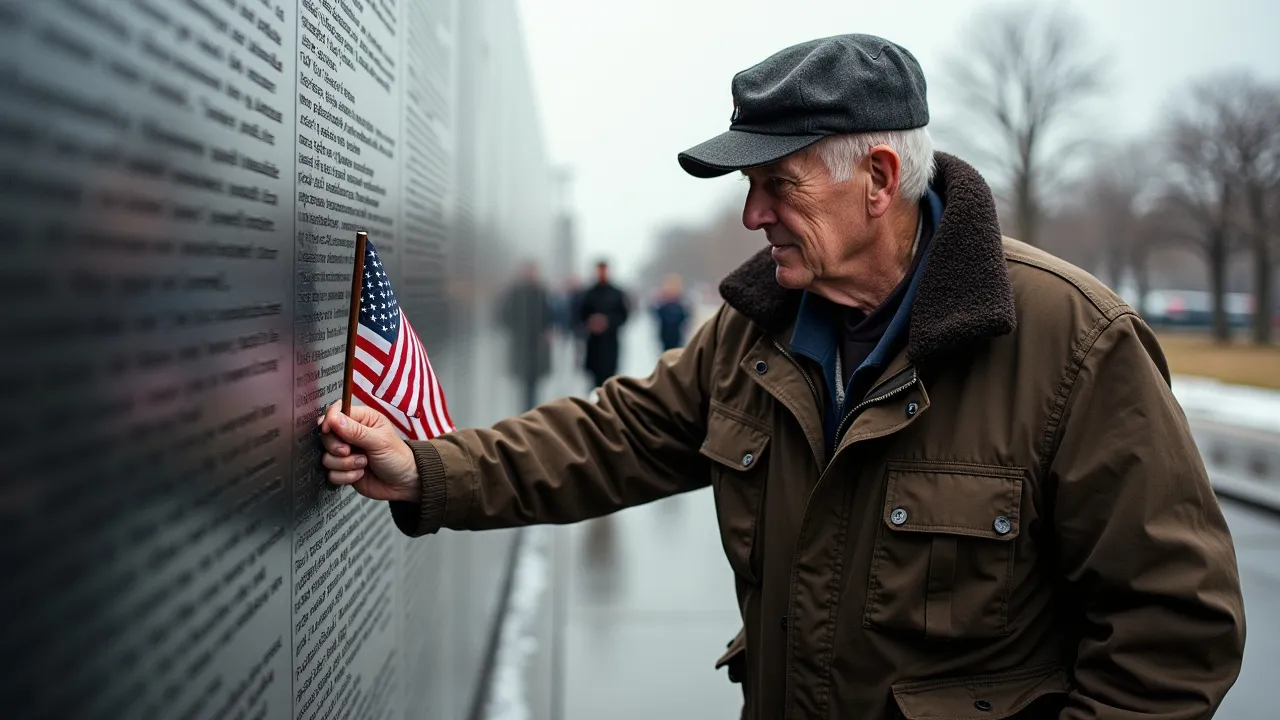
Vietnam Peace Day, observed on January 27th, commemorates the signing of the Paris Peace Accords in 1973 that ended U.S. involvement in the Vietnam War. It honors peace efforts and reflects on the war's profound human and historical impact.
The Historical Origins & Evolutionary Journey of Vietnam Peace Day
Vietnam Peace Day, observed annually on January 27th, marks the anniversary of the Paris Peace Accords, signed in 1973. This historic agreement officially ended direct U.S. military involvement in the Vietnam War, a conflict that spanned two decades and claimed millions of lives. The day serves as a solemn reminder of the cost of war and the enduring pursuit of reconciliation.
The Foundational Catalyst: The Paris Peace Accords
The accords were signed by the United States, North Vietnam, South Vietnam, and the Viet Cong (represented by the Provisional Revolutionary Government). After years of secret negotiations led by National Security Advisor Henry Kissinger and North Vietnamese diplomat Lê Đức Thọ, the agreement was finalized on January 27, 1973. Key provisions included a ceasefire, withdrawal of U.S. and allied troops within 60 days, return of prisoners of war, and a commitment to a political settlement for South Vietnam. However, the war continued between North and South Vietnam until the fall of Saigon in 1975.
The Legislative/Official Adoption
Unlike many national holidays, Vietnam Peace Day is not an official federal holiday in the United States or Vietnam. Instead, it evolved organically through grassroots efforts by veterans' groups, peace activists, and educational institutions. In 1999, a resolution was introduced in the U.S. Congress to designate January 27 as "Vietnam Peace Day," but it never passed. Nonetheless, many states and cities issue proclamations, and events are held at the Vietnam Veterans Memorial in Washington, D.C., and at state-level memorials.
Modern Global Legacy
Today, Vietnam Peace Day is observed not only in the U.S. and Vietnam but also in other nations affected by the war, such as Australia, South Korea, and Canada. It has broadened into a platform for discussions on veteran care, post-war reconciliation, and U.S.-Vietnam relations. Since the normalization of diplomatic ties in 1995, the day has taken on a more hopeful tone, emphasizing economic cooperation and cultural exchanges. In Vietnam, it is a quiet day of reflection often marked by visits to war memorials and museums, while in the U.S., it is used to honor the service and sacrifice of veterans.
How to Celebrate Vietnam Peace Day: A Global Guide
Vietnam Peace Day offers a meaningful opportunity for individuals, schools, and organizations to reflect on the lessons of war and promote peace. Below are actionable ways to observe the day, tailored for different audiences:
For Individuals
- Visit a war memorial: Pay respects at the Vietnam Veterans Memorial in Washington, D.C., or a local monument.
- Read historical accounts: Books like The Things They Carried by Tim O'Brien or A Bright Shining Lie by Neil Sheehan provide deep insight.
- Write to a veteran: Send a thank-you note or record a video message for a Vietnam War veteran through organizations like the Vietnam Veterans Memorial Fund.
For Schools and Universities
- Host a panel discussion: Invite historians, veterans, and diplomats to discuss the war's legacy and the peace process.
- Organize a film screening: Show documentaries such as The Vietnam War (Ken Burns) and follow with a guided debate.
- Create a peace wall: Have students write messages of peace and reconciliation on a shared bulletin board.
For Corporations and Organizations
- Partner with veteran charities: Donate to or volunteer with groups like the Vietnam Veterans of America or the Wounded Warrior Project.
- Facilitate a moment of silence: Announce a minute of silence at work on January 27th at 11:00 AM.
- Support cross-cultural initiatives: Sponsor an exchange program between U.S. and Vietnamese schools or businesses.
Regional Variations
In Vietnam, the day is often observed with ceremonies at the Ho Chi Minh Mausoleum in Hanoi and the War Remnants Museum in Ho Chi Minh City. In Australia, veterans gather at Australian Vietnam Forces National Memorial in Canberra. In South Korea, which sent troops to Vietnam, the day is used to honor the Korean soldiers who served. Regardless of location, the core theme remains: remembrance and peace.
Global Impact & Societal Themes
Vietnam Peace Day transcends its historical roots to address broader societal issues. It serves as a lens through which to examine the long-term consequences of armed conflict, the role of public opinion in war policy, and the healing process after national trauma.
Veteran Advocacy and Mental Health
The day shines a spotlight on the needs of Vietnam War veterans, many of whom faced public hostility upon returning home. Organizations like the Vietnam Veterans of America (VVA) use January 27 to raise awareness about PTSD, Agent Orange exposure, and other service-related health issues. Agent Orange, a herbicide used by the U.S. military, has caused generations of birth defects and cancers in Vietnam. Peace Day events often include fundraisers for affected communities.
U.S.-Vietnam Reconciliation
Since the 1990s, the relationship between the United States and Vietnam has transformed from enmity to strategic partnership. On January 27, 2023, the two countries announced new cooperation in trade, security, and war legacy cleanup. This theme of reconciliation—acknowledging the past while building a joint future—is a central message of Vietnam Peace Day.
Media and Artistic Expression
The Vietnam War profoundly influenced music, film, and literature. Movies like Apocalypse Now and Platoon, songs like "Fortunate Son" by Creedence Clearwater Revival, and poetry by Yusef Komunyakaa all shaped public memory. On Vietnam Peace Day, cultural institutions often host exhibitions and performances that explore these creative responses.
Economic and Diplomatic Transformations
The end of U.S. involvement in the Vietnam War did not immediately bring peace to the region, but it set the stage for dramatic economic and diplomatic changes. Vietnam Peace Day highlights the long arc of development that followed the conflict.
Economic Reforms in Vietnam (Đổi Mới)
In 1986, Vietnam launched the Đổi Mới (Renovation) economic reforms, transitioning from a centrally planned economy to a socialist-oriented market economy. This led to rapid growth, lifting millions out of poverty. By 2024, Vietnam is a manufacturing hub and a key player in global supply chains. Peace Day events often include seminars on Vietnam's economic transformation.
Normalization of U.S.-Vietnam Relations
Diplomatic relations were restored in 1995 under President Bill Clinton. In 2000, President Bill Clinton became the first U.S. president to visit Vietnam since the war. Trade agreements and mutual visits continued, culminating in the 2013 Comprehensive Partnership. These milestones are frequently discussed on Vietnam Peace Day as examples of how peace can lead to prosperity.
War Legacy Cleanup
A major ongoing effort is the remediation of unexploded ordnance (UXO) and Agent Orange contamination. The U.S. government has allocated billions of dollars to clear bombs and provide healthcare. Vietnam Peace Day fundraisers support these initiatives, emphasizing that true peace includes healing the land and the people.
Core Themes: Peace, Remembrance, and Education
Each year, Vietnam Peace Day carries core themes that guide its observance. The most prominent are:
- Peaceful Conflict Resolution: The Paris Peace Accords, despite their flaws, represent diplomacy as an alternative to continued fighting. Workshops and lectures on conflict mediation are common.
- Honoring All Veterans: The day emphasizes respect for all who served, regardless of rank or branch. It encourages society to separate the warrior from the war.
- Teaching the Next Generation: Many schools incorporate Vietnam Peace Day into their curricula, using it as a case study for understanding the human costs of war and the importance of civic engagement.
- Global Solidarity: The day links to other peace observances, such as the International Day of Peace (September 21), creating a network of advocates worldwide.
These themes ensure that Vietnam Peace Day remains relevant, evolving from a commemoration of a single event into a movement for lasting peace.
How Vietnam Peace Day Is Observed Across the World
Observances vary by region, reflecting the war's global footprint. In the United States, the Vietnam Veterans Memorial hosts a wreath-laying ceremony and reading of the names of the fallen. In Vietnam, the day is low-key, with veterans' associations holding private gatherings. In Australia, the Vietnam Veterans Day (August 18) is more prominent, but January 27 is still recognized by veteran groups. In South Korea, the nation's 312,000 troops who fought in Vietnam are remembered with ceremonies at the War Memorial of Korea. Canada and New Zealand also host small events, as each country contributed forces to the war. These diverse observances underscore how the war affected many nations beyond the primary combatants.
Critiques and Controversies
Vietnam Peace Day is not without critique. Some argue that by focusing on the 1973 accords, the day minimizes the suffering of the Vietnamese people during the final two years of the war and the subsequent communist takeover. Others point out that the day does not address the legacy of U.S. bombing campaigns in Laos and Cambodia. Additionally, the lack of official recognition means the day can be overlooked by mainstream media. Proponents counter that any commemoration of peace is valuable, and that the day should be used as a stepping stone for deeper reflection and action. These debates are a healthy part of the observance, encouraging critical thinking about how history is remembered.
Historical Timeline
Geneva Accords divide Vietnam at the 17th parallel; U.S. begins supporting South Vietnam.
First U.S. combat troops arrive in Vietnam; Gulf of Tonkin Resolution escalates involvement.
Tet Offensive shocks U.S. public; anti-war movement intensifies.
Paris Peace Accords signed on January 27, ending U.S. combat role.
Fall of Saigon; Vietnam unified under communist rule.
Vietnam Veterans Memorial dedicated in Washington, D.C.
U.S. and Vietnam normalize diplomatic relations.
President Bill Clinton makes historic visit to Vietnam.
U.S.-Vietnam Comprehensive Partnership established.
50th anniversary of the Paris Peace Accords; joint U.S.-Vietnam commemorations.