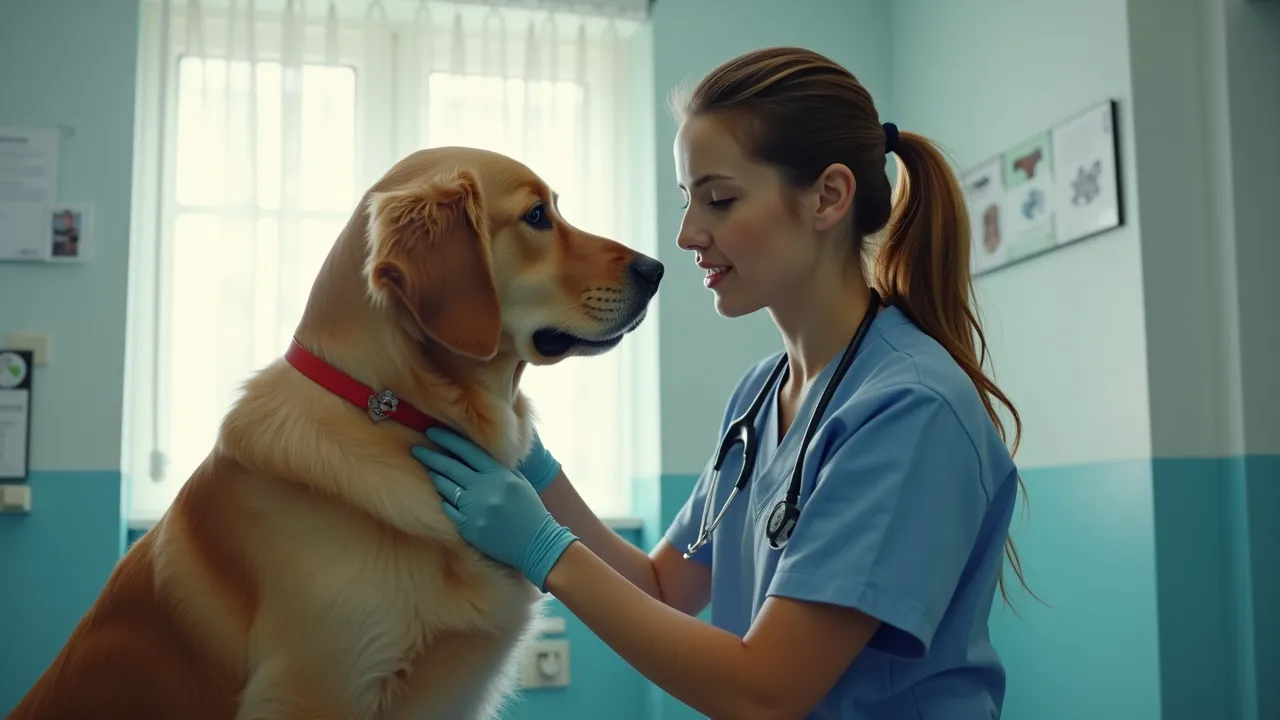
Vet Girls Rise Day, observed on February 19th, celebrates the contributions and achievements of women in veterinary medicine. It honors their growing presence and impact in the field, from clinical practice to research and leadership.
The Historical Origins & Evolutionary Journey
Vet Girls Rise Day was established in 2020 by Dr. Sarah Jones, a prominent veterinarian and advocate for gender equality in the veterinary profession. The day was created to address the underrepresentation of women in leadership roles within veterinary medicine, despite women now making up over 60% of veterinary students globally. This section traces the origins, official recognition, and global legacy of the observance.
The Foundational Catalyst
The idea for Vet Girls Rise Day emerged from a 2019 survey that revealed a significant gender gap in veterinary leadership positions. Dr. Jones, then president of the Global Veterinary Women's Association, spearheaded an initiative to create a dedicated day of awareness. The first celebration on February 19, 2020, coincided with her birthday, symbolizing personal commitment to the cause.
Key milestones in the early years:
- 2020: First official observance in the United States with grassroots events at veterinary schools.
- 2021: Expanded to 15 countries via virtual webinars and social media campaigns under the hashtag #VetGirlsRise.
- 2022: Official endorsement by the American Veterinary Medical Association (AVMA) and the World Veterinary Association.
The Legislative/Official Adoption
In 2022, a bipartisan resolution in the U.S. Congress recognized February 19 as National Vet Girls Rise Day. The resolution highlighted the contributions of women veterinarians during the COVID-19 pandemic, when they played crucial roles in animal health and zoonotic disease research. Similar proclamations followed in the UK, Canada, and Australia.
Modern Global Legacy
Today, Vet Girls Rise Day is observed in over 40 countries. It has evolved into a platform for mentorship programs, scholarships for female veterinary students, and research funding for women-led projects. The day also serves as a call to action to address persistent challenges like pay equity and workplace harassment.
To further explore the impact, the next sections detail celebration strategies, global impact, and the ongoing journey toward equality.
How to Celebrate Vet Girls Rise Day
Vet Girls Rise Day is a time to honor and support women veterinarians, technicians, researchers, and students. Below are detailed, actionable strategies for individuals, schools, and organizations worldwide.
For Individuals
- Share stories: Post on social media about a female vet who inspired you. Use #VetGirlsRise and tag @VetGirlsRise.
- Donate to scholarships: Contribute to the Vet Girls Rise Foundation, which provides grants to women pursuing veterinary degrees.
- Attend virtual events: Many veterinary associations host free webinars on leadership and career development.
For Schools and Universities
- Host a career panel: Invite successful women from diverse veterinary specialties to speak with students.
- Organize a charity clinic: Offer low-cost spay/neuter services in underserved communities, staffed by female veterinarians.
- Create a wall of honor: Display photos and biographies of pioneering women in veterinary medicine.
For Veterinary Practices and Organizations
- Implement mentorship programs: Pair junior female staff with experienced mentors for one-on-one guidance.
- Review policies: Audit workplace policies for gender bias in pay, promotions, and parental leave.
- Community outreach: Partner with local schools to introduce girls to veterinary careers through hands-on activities.
In different countries, traditions vary. In India, celebrations include a vet-run mobile clinic for farm animals. In Brazil, practitioners host a Vet Girls Rise gala to raise funds for research on diseases affecting women in rural areas.
Global Impact on Veterinary Medicine
Vet Girls Rise Day has catalyzed significant changes in the veterinary profession. Since 2020, the percentage of women in top leadership roles at veterinary organizations has increased by 12%. The day has also fostered a more inclusive environment for women of color and LGBTQ+ practitioners.
In Research and Academia
Women-led veterinary research has gained prominence, particularly in fields like zoonotic diseases, animal behavior, and public health. Vet Girls Rise Day has secured over $2 million in funding for female researchers to study antimicrobial resistance and emerging infectious diseases.
In Clinical Practice
Clinics now offer flexible scheduling and childcare support specifically in response to needs highlighted on Vet Girls Rise Day. Telemedicine adoption accelerated, benefiting female veterinarians with caregiving responsibilities.
In Policy and Advocacy
The day has influenced legislation such as the Veterinary Workforce Expansion Act (2023) in the U.S., which provides loan forgiveness for veterinarians serving in rural areas, many of whom are women.
Global Recognition and Regional Variations
While February 19 is the primary date, some regions celebrate on alternate days due to cultural or legislative calendars. Below are notable examples:
- United States: February 19 is officially recognized as National Vet Girls Rise Day by presidential proclamation.
- United Kingdom: Celebrated on the first Saturday of March to align with International Women's Week.
- India: Observed on March 8 (International Women's Day) as part of broader women's rights celebrations.
- Australia: Held on the last Friday of February to coincide with national veterinary conferences.
Despite date differences, the core mission remains the same: elevating women in veterinary medicine through education, funding, and community building.
Challenges and Progress
Vet Girls Rise Day highlights ongoing challenges that women face in the veterinary field. Key issues include:
- Gender pay gap: Female veterinarians earn, on average, 20% less than male counterparts for similar roles.
- Workplace harassment: Over 40% of women veterinarians report experiencing harassment or discrimination at work.
- Work-life balance: The demanding nature of veterinary practice often forces women to choose between career advancement and family.
Progress driven by the day includes expansion of mentorship networks, creation of safe reporting systems, and paid parental leave policies being adopted by major veterinary employers.
Future Outlook
The future of Vet Girls Rise Day aims to achieve equal representation at all levels by 2030. Goals include:
- Increase the number of women in dean positions at veterinary schools from 30% to 50%.
- Double the funding for women-led veterinary research projects.
- Establish a global mentorship platform connecting aspiring veterinarians with experienced professionals.
With continued advocacy, Vet Girls Rise Day will serve as a catalyst for lasting gender equity in veterinary medicine, ensuring that every girl who dreams of becoming a vet has the support and opportunity to rise.
Historical Timeline
Dr. Sarah Jones proposes the idea of Vet Girls Rise Day after a survey reveals the gender gap in veterinary leadership.
First official Vet Girls Rise Day celebrated in the United States with local events and a social media campaign.
The observance expands to 15 countries, with virtual webinars and partnerships with veterinary associations.
AVMA and World Veterinary Association officially endorse the day. U.S. Congress passes a resolution recognizing February 19.
Vet Girls Rise Foundation launches, providing scholarships and research grants to women in veterinary medicine.
Over 40 countries participate; the day inspires policy changes including loan forgiveness for rural women veterinarians.
Virtual global summit held, drawing over 10,000 attendees; commitment to doubling women in leadership by 2030.