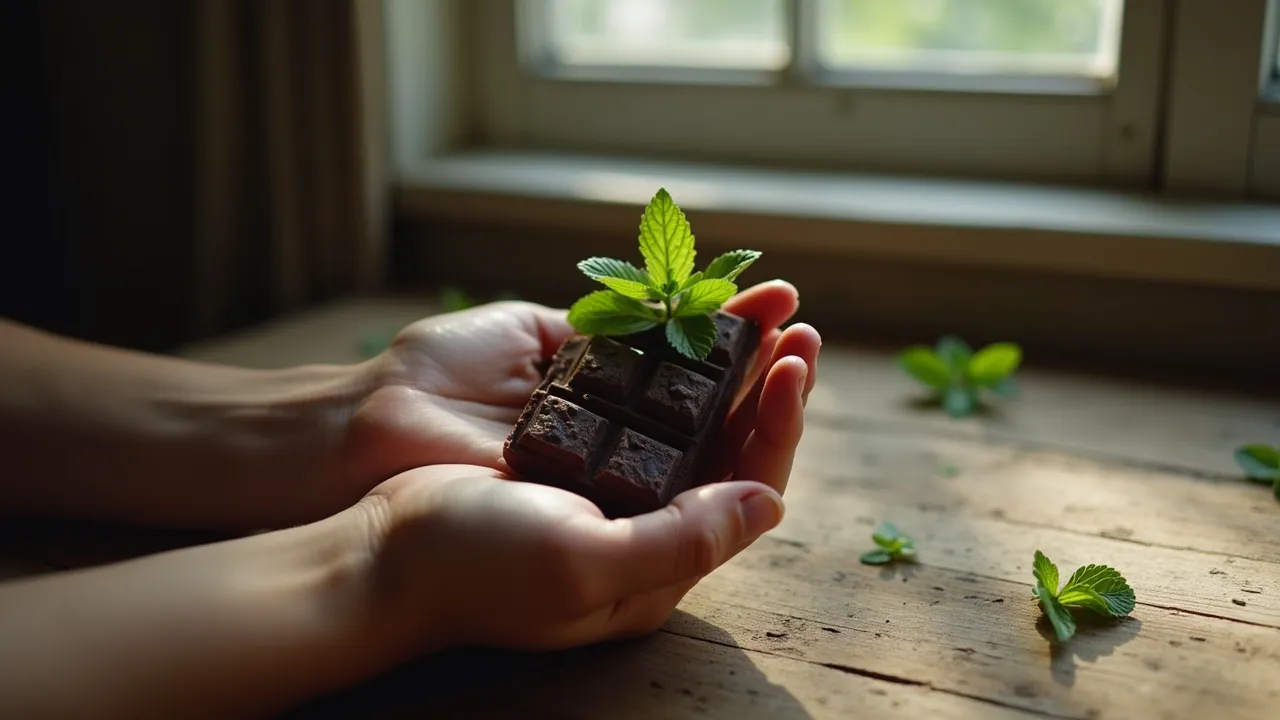
Celebrated on February 19th, National Chocolate Mint Day honors the timeless pairing of rich chocolate and cool mint. Explore its origins, global impact, and ways to enjoy this beloved flavor combination.
The Historical Origins & Evolutionary Journey
National Chocolate Mint Day, observed annually on February 19th, celebrates one of the most beloved flavor pairings in culinary history: the union of rich, creamy chocolate with cool, refreshing mint. This day traces its roots to the early 2000s when confectionery companies and food enthusiasts sought to honor a combination that had already captivated palates for centuries. The exact moment of the day's formalization remains somewhat obscure, but it is widely attributed to the collective efforts of the National Confectioners Association and major candy manufacturers who recognized the commercial and cultural significance of chocolate mint treats. Unlike ancient holidays with deep religious or political origins, National Chocolate Mint Day emerged in the modern era as a lighthearted, commercially driven observance, quickly gaining traction through social media, food blogs, and greeting card companies. Today, it serves as both a celebration of flavor and a testament to the power of strategic marketing in shaping food traditions.
The Foundational Catalyst: The Marriage of Chocolate and Mint
The story of chocolate and mint together predates National Chocolate Mint Day by centuries. The Aztecs and Mayans were among the first to consume chocolate in the form of bitter beverages often flavored with vanilla, chili, and even mint-like herbs. However, the modern pairing took shape in 18th and 19th century Europe, where mint was prized for its medicinal and digestive properties. By the late 1800s, French and Swiss chocolatiers began experimenting with peppermint and chocolate fillings, creating early versions of the iconic combination. The true breakthrough came in 1962 when Andes Candies (founded in 1950) introduced their signature crème de menthe chocolate squares, revolutionizing the mass-market confectionery industry. These thin, layered mints became a restaurant staple, often served with the check, and cemented chocolate mint as a quintessentially American taste. The launch of York Peppermint Patties in 1940 and the later popularity of mint chocolate chip ice cream further solidified the duo's place in global snack culture.
The Legislative/Official Adoption
Unlike federally recognized holidays, National Chocolate Mint Day is a product of the National Day Calendar, a private organization that registers and promotes unofficial celebrations. The day was likely added to the calendar in the early 2000s through a combination of public petition and partnership with candy companies. No legislative act created it; instead, it gained legitimacy through widespread adoption by retailers, schools, and social media users. The National Confectioners Association played a key role in promoting the day as part of its broader industry calendar, using it to drive sales of chocolate mint products during the post-Valentine's Day lull. By the 2010s, major brands like Nestle, Hershey, and Ghirardelli had incorporated National Chocolate Mint Day into their marketing campaigns, offering limited-edition products and social media contests. Today, the day is listed alongside other food holidays on countless websites and calendars, symbolizing the grassroots power of themed celebrations in the digital age.
Modern Global Legacy
While National Chocolate Mint Day is primarily an American observance, its influence has spread worldwide. In Canada, similar promotions occur through retail chains like Tim Hortons and Purdy's Chocolates. The United Kingdom, with its strong tradition of mint sauce and chocolate, also embraces the day unofficially through social media campaigns. In Japan, where mint chocolate is popular in KitKat flavors and confectionery, the day is celebrated by enthusiasts online. The global legacy of National Chocolate Mint Day lies in its ability to unite people around a simple, universally accessible pleasure. It has inspired countless recipes, from mint chocolate brownies to vegan mint truffles, and has become a catalyst for culinary innovation. The day also highlights the power of flavor chemistry: mint's volatile oils (menthol) interact with chocolate's theobromine and flavonoids to create a sensory experience that is both invigorating and comforting, explaining its enduring appeal across cultures.
How to Celebrate National Chocolate Mint Day
National Chocolate Mint Day, falling on February 19th, offers a perfect opportunity to indulge in this classic flavor duo. Whether you're a home cook, a business owner, or a curious foodie, there are countless ways to mark the occasion. Below is a comprehensive guide drawn from global traditions and expert recommendations.
At Home: DIY Treats and Tastings
- Bake mint chocolate chip cookies: Use real peppermint extract and dark chocolate chunks for a homemade twist. Add a pinch of sea salt to enhance the flavors.
- Create a mint chocolate fondue: Melt high-quality dark or milk chocolate with a few drops of peppermint oil. Serve with fresh fruit, marshmallows, and pound cake cubes.
- Make no-bake mint chocolate bars: Combine crushed Oreos or other chocolate cookies with melted butter, layered with a mint cream filling (cream cheese, powdered sugar, and mint extract) topped with melted chocolate. Refrigerate until set.
- Host a tasting flight: Purchase a variety of mint chocolate products from different brands (e.g., Andes mints, York Peppermint Patties, Junior Mints, and mint chocolate bark from a local chocolatier). Taste them side by side and rate the intensity of mint, sweetness, and chocolate quality.
- Blend mint chocolate smoothies: For a healthier option, combine a frozen banana, unsweetened cocoa powder, fresh mint leaves, and almond milk. Sweeten with dates or maple syrup.
For Businesses and Organizations
- Special menu items: Restaurants and cafes can offer a mint chocolate latte, mocha, or hot chocolate. Bakeries can showcase mint chocolate cupcakes, brownies, or croissants.
- Corporate gifting: Companies can surprise employees with gift baskets containing premium chocolate mint bars, mints, and personalized notes.
- Social media campaigns: Run a photo contest with the hashtag #NationalChocolateMintDay. Encourage followers to share their favorite mint chocolate creations. Offer a prize pack of gourmet chocolates.
- In-store promotions: Retailers can create end-cap displays featuring mint chocolate products, offer buy-one-get-one deals, or sample new items.
In Schools and Educational Settings
- Science lesson: Explore the chemistry of flavor pairings. Explain how menthol from mint triggers cold receptors in the mouth while theobromine promotes a sense of calm. Conduct a blind taste test comparing mint chocolates from different eras.
- Art project: Have students design their own candy wrapper for a fictional mint chocolate bar. Discuss branding and design principals.
- Family cooking class: Teach children how to make simple mint chocolate bark using melted chocolate, crushed candy canes (or peppermint extract), and dried mint leaves.
Global Celebration Variations
While the core idea remains the same, different cultures bring unique touches. In Italy, some enjoy a dip of dark chocolate with fresh spearmint grown in Mediterranean gardens. In Brazil, mint chocolate is often paired with coffee for a late-afternoon treat. In Australia, the day coincides with late summer, prompting cold mint chocolate ice pops. In the Middle East, where mint is ubiquitous, chocolate mint tea is a popular way to celebrate. These regional adaptations underscore the versatility of the pairing and its ability to bridge culinary traditions.
The Science Behind Chocolate Mint: A Flavor Synergy
The pairing of chocolate and mint is not just a matter of taste; it is rooted in sensory science. The combination is so successful because the two flavors interact at a physiological level, creating a perception that is greater than the sum of its parts. Mint contains menthol, a compound that activates TRPM8 receptors in the mouth, producing a cooling sensation. This sensation counterbalances the rich, heavy mouthfeel of cocoa butter and the bitterness of cocoa solids. When consumed together, the cooling effect of mint enhances the perception of sweetness in chocolate, allowing less sugar to be used while maintaining a satisfying taste. Moreover, mint's volatile oils are quickly perceived by the olfactory system, providing an aromatic freshnes that contrasts with the deeper, roasted notes of chocolate. This contrast creates a "flavor harmony" that is both stimulating and soothing. Chemically, the theobromine and phenylethylamine in chocolate may also amplify the slight analgesic effect of menthol, explaining why chocolate mint treats can feel comforting. Studies in food psychology show that flavor pairings that involve contrasting sensory inputs (like cool mint and warm chocolate) are particularly memorable and often elicit positive emotional responses. This scientific foundation helps explain the enduring popularity of National Chocolate Mint Day and why it resonates across age groups and cultures.
Impact on the Confectionery Industry
National Chocolate Mint Day has become a significant date on the confectionery industry calendar, driving seasonal sales and product innovation. In the weeks leading up to February 19th, candy manufacturers ramp up production of mint chocolate varieties, often introducing limited-edition packaging or new flavor twists. For example, Hershey's brings back its Limited Edition Mint Chocolate Kisses, while Nestle promotes Mint KitKats and Ghirardelli offers special mint chocolate squares. The day also gives smaller artisan chocolatiers a platform to showcase premium offerings, such as single-origin dark chocolate with organic peppermint oil. According to industry data, chocolate mint products account for approximately 8% of total chocolate sales in the U.S., with a notable spike in February. The day also influences retail strategies: stores allocate prime shelf space to mint chocolate items, and digital marketing campaigns emphasize nostalgia and indulgence. Beyond direct sales, National Chocolate Mint Day drives content marketing, with food bloggers and influencers creating recipes, reviews, and tutorials that generate millions of impressions. This annual event also serves as a testbed for new products; successful mint chocolate launches in February often lead to permanent inclusion on store shelves. The economic impact of the day, while difficult to quantify precisely, likely runs into the hundreds of millions of dollars in incremental revenue for the confectionery sector.
Global Variations of Chocolate Mint Treats
The chocolate mint combination is enjoyed worldwide in numerous forms, reflecting local tastes and ingredients. Here are some notable regional adaptations:
- United States: Classic examples include Andes Mints, York Peppermint Patties, Junior Mints, and Mint Chocolate Chip Ice Cream. Thin Mints (Girl Scout cookies) are a quintessential American treat.
- United Kingdom: The UK has a strong affinity for mint chocolate, especially with brands like After Eight (thin dark chocolate squares with a liquid mint filling) and Mint Aero (aerated chocolate with peppermint flavor).
- France: French chocolatiers often create delicate mint chocolates using ganache infused with fresh mint leaves rather than extract. They may also pair chocolate mint with almond or hazelnut praline.
- Japan: Mint chocolate is wildly popular, especially in KitKat form. Unique Japanese varieties include matcha mint and sakura mint. Conbini (convenience stores) often carry mint chocolate Pocky and cookies.
- Australia & New Zealand: Mint chocolate is a staple in the form of Mint Patties (similar to York) and in the popular Chocolate Mint Slice cookie. Tim Tams has a mint flavor variant.
- Middle East: Mint is heavily used in drinks and desserts. Chocolate mint tea is a common beverage, and chocolates filled with mint-infused fondant are sold in luxury confectionery shops.
- India: While not as prevalent, mint chocolate is gaining traction through brands like Cadbury's Mint Fuse and local artisanal chocolatiers who combine dark chocolate with pudina (spearmint) and cardamom.
These variations demonstrate the incredible adaptability of the chocolate mint pairing. From liquid-centered chocolates to crunchy wafers, the core flavors remain consistent while the textures and accompaniments evolve to suit regional palates.
Health Benefits and Nutritional Considerations
National Chocolate Mint Day provides an excellent opportunity to discuss the health aspects of both ingredients, especially when consumed in moderation. Dark chocolate (at least 70% cocoa) is rich in antioxidants like flavonoids, which can reduce inflammation, improve heart health, and even boost mood. It also contains iron, magnesium, and zinc. Mint, on the other hand, is known for its digestive benefits: peppermint oil can relieve symptoms of irritable bowel syndrome and indigestion. The combination may even help with focus, as the cooling effect of mint can increase alertness while chocolate provides a gentle energy lift. However, most commercial mint chocolate products contain significant amounts of sugar, milk fat, and calories, so it's important to choose wisely. For a healthier celebration, opt for dark chocolate mint bars with minimal added sugar, or make your own treats using raw cacao and fresh mint leaves. Sugar-free mint chocolates sweetened with stevia or erythritol are also widely available. As with all indulgences, moderation is key. Pairing a small piece of mint chocolate with a cup of mint tea can extend the enjoyment while limiting calorie intake. By making mindful choices, you can celebrate National Chocolate Mint Day without derailing your dietary goals.
Historical Timeline
York Peppermint Pattie introduced by the York Cone Company, later acquired by Hershey. It becomes a iconic mint chocolate treat.
Andes Mints launched by the Andes Candies company, quickly becoming a staple in restaurants and households, popularizing the chocolate mint combination in the U.S.
Mint chocolate chip ice cream becomes a standard flavor in American ice cream parlors, cementing the pairing's popularity.
National Chocolate Mint Day is first observed, likely added to the National Day Calendar around this time. The exact year is uncertain but marks the beginning of official recognition.
Social media platforms like Facebook and Twitter help spread awareness of the day. Major brands start hosting themed contests and product launches.
Ghirardelli debuts a new line of Mint Chocolate squares with sea salt, reflecting a trend toward premium ingredients.
During the COVID-19 pandemic, National Chocolate Mint Day sees a surge in stay-at-home baking, with mint chocolate brownies and cookies trending online.