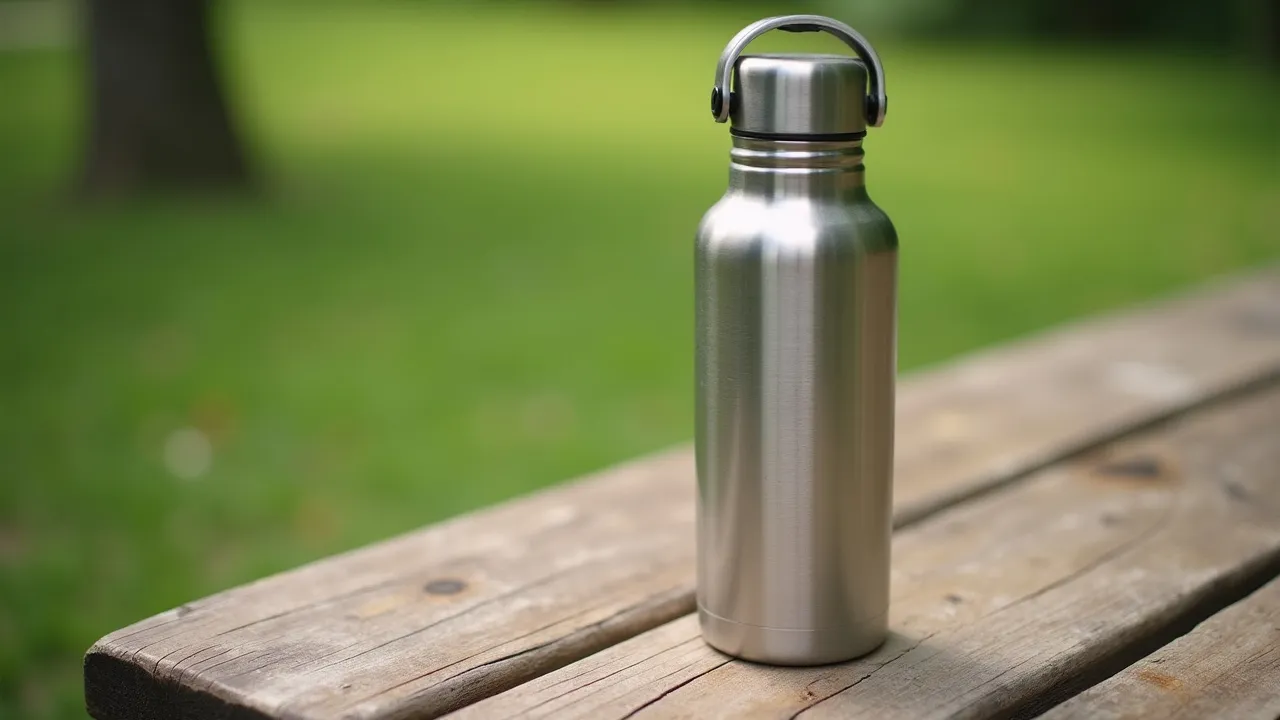
Thermos Bottle Day on February 26th celebrates the invention of the vacuum flask by Sir James Dewar. It honors the convenience and innovation of keeping beverages hot or cold for hours.
The Historical Origins & Evolutionary Journey
Thermos Bottle Day, observed annually on February 26th, commemorates the invention that revolutionized how we enjoy beverages on the go. The day traces its roots to the groundbreaking work of Scottish scientist Sir James Dewar, who in 1892 invented the first vacuum flask to preserve cryogenic liquids. This simple yet elegant device became an icon of practicality and ingenuity.
The Foundational Catalyst
In 1892, Dewar developed a double-walled glass vessel with a vacuum between the walls, drastically reducing heat transfer. His design was inspired by the need to store liquid oxygen temporarily. Although he patented the idea, he never commercialized it—that task fell to others. In 1904, Reinhold Burger and Albert Aschenbrenner, German craftsmen, created the first consumer thermos brand, naming it 'Thermos' from the Greek word therme meaning heat. They transformed Dewar's laboratory tool into a household staple.
The Legislative/Official Adoption
The push for a dedicated appreciation day came in 1990 from the Thermos Company, aiming to boost sales and awareness. February 26th was chosen to coincide with the anniversary of Dewar's first public demonstration of the flask. The day gained traction through corporate promotions and eventually earned a spot on national calendar databases. While not an official government holiday, it is widely recognized by enthusiasts and manufacturers.
Modern Global Legacy
Today, thermos bottles are produced in countless forms, from stainless steel to plastic-lined, and are used by hikers, office workers, and students worldwide. The day serves as a reminder of the blend of science and daily convenience. Modern celebrations include social media campaigns, educational events, and promotions by outdoor gear companies. The legacy of Dewar's vacuum flask continues to inspire new insulation technologies and sustainable drinking practices.
How to Celebrate Thermos Bottle Day
Thermos Bottle Day offers a perfect opportunity to appreciate the utility and history of the vacuum flask. Whether you are a seasoned outdoors enthusiast or a casual commuter, there are countless ways to join the celebration. Below are actionable strategies for individuals, schools, and organizations.
For Individuals
- Host a Thermos Tasting Event: Invite friends to bring their favorite thermos filled with a hot or cold beverage. Compare insulation performance and share tried-and-true recipes.
- Explore Outdoor Adventures: Plan a hike, picnic, or camping trip where your thermos becomes the hero. Use it to keep coffee hot on a chilly morning or lemonade cold at the beach.
- Social Media Challenge: Post a photo of your thermos with the hashtag #ThermosBottleDay. Share how long it keeps your drink at the perfect temperature.
For Schools
- Science Lesson: Teach students about heat transfer, vacuum insulation, and the physics behind the thermos. A simple demonstration using two cups and a thermos can illustrate the concept.
- Art Project: Have students design their ideal thermos, decorating it with themes of sustainability or their favorite hobbies.
- History Report: Assign students to research Sir James Dewar and the evolution of the thermos, then present their findings.
For Organizations
- Product Giveaways: Companies can distribute branded thermoses to employees or customers, promoting both the day and eco-friendly habits.
- Lunchtime Contest: Encourage employees to bring their thermoses and vote for the most creative use or longest-lasting temperature.
- Charity Drive: Donate thermoses to homeless shelters or schools, emphasizing the importance of hydration and warmth.
Global Traditions
In Japan, thermos culture is deeply ingrained; people often carry hot tea in elegant vacuum flasks. On this day, Japanese brands release limited-edition thermos designs. In Germany, the birthplace of the commercial thermos, museums host exhibitions on the history of the flask. In the United States, outdoor retailers like REI offer discounts on thermoses, and national parks encourage visitors to bring reusable bottles.
The Science Behind the Vacuum Flask
How Does a Thermos Work?
A thermos, or vacuum flask, relies on three principles: vacuum insulation, reflective coatings, and low-conductivity materials. The inner and outer walls are separated by a vacuum, which eliminates conduction and convection. The walls are typically coated with silver or copper to reflect radiant heat back toward the contents. The stopper or lid is made of a low-conductivity plastic or cork to minimize heat loss through the opening.
Key Components
- Double-walled container: Usually stainless steel or glass, with a vacuum between walls.
- Reflective coating: Inner surface reflects thermal radiation.
- Seal: A tight vacuum seal prevents air from entering.
- Closure: A stopper or screw cap reduces heat transfer at the top.
Modern thermoses can keep liquids hot for up to 24 hours and cold for even longer, depending on the design. The efficiency is measured by the heat retention time, typically defined as the time for a hot liquid to drop from 95°C to 65°C.
Cultural Impact of the Thermos
A Symbol of Convenience
The thermos transformed daily life by allowing people to carry hot or cold beverages anywhere. Before its invention, travelers relied on fragile glass bottles or metal canteens that failed to maintain temperature. The thermos became a staple for soldiers in World War I and II, for workers in construction and factories, and for families on road trips.
In Literature and Film
The thermos has appeared in countless movies and books, often symbolizing home comfort in harsh environments. In the 1980s, the 'Thermos' brand became a generic term in many languages, similar to 'Kleenex' or 'Xerox'. The classic red vacuum flask is an iconic design recognized globally.
Environmental Shift
In recent years, the reusable thermos has become a tool against single-use plastic bottles. Environmental advocates promote thermos use as a simple way to reduce waste. Many coffee shops now offer discounts to customers who bring their own thermoses, and cities have banned disposable cups in some venues.
Innovations and Modern Developments
Materials and Design Evolution
From the original glass-lined flask, thermoses have evolved to unbreakable stainless steel, lightweight titanium, and even copper for better conductivity. Modern designs include built-in tea infusers, temperature displays, and leak-proof lids. Some high-end models use aerogel insulation for extreme performance.
Smart Thermos
The latest innovations incorporate IoT technology, allowing users to track liquid temperature via a smartphone app. Some models can heat or cool the contents using built-in batteries, blurring the line between thermos and portable appliance.
Sustainability Focus
Thermos manufacturers are increasingly using recycled materials and offering repair services. The 'circular economy' approach encourages long product life cycles. A high-quality thermos can last decades, making it a flagship product for zero-waste living.
Global Variations of the Thermos
While the basic principle is the same, different cultures have adapted the thermos to their needs. Below are notable regional varieties.
- Japan: The mizusashi is a traditional wooden thermos for cold water, but modern versions are sleek stainless steel. Japanese thermoses often have a vacuum insulation and a one-touch opening.
- India: The thermos-flask is commonly used for chai, with many street vendors offering refills. Indian manufacturers produce affordable glass-lined models.
- Germany: Home of the original Thermos brand, German flasks are known for heavy-duty durability and are often used for beer or mulled wine during Christmas markets.
- United States: The iconic 'Stanley' thermos, famous for its green color and steel construction, is a staple of construction workers and outdoor enthusiasts. It can withstand rough handling.
- Scandinavia: Focus on minimalist design and high performance, with brands like 'Primus' and 'Trangia' producing specialized camping thermoses.
These variations highlight the universal need for temperature-controlled hydration and the ingenuity of local manufacturing.
Environmental and Social Significance
Reducing Single-Use Waste
Each time someone uses a reusable thermos instead of a disposable paper cup, they prevent about 0.5 kg of CO2 emissions and 10 grams of waste. If every coffee drinker used a thermos for one week, it would save over 100 million cups from landfills in the United States alone.
Economic Benefits
Buying a thermos is an investment that pays off after about 20 uses compared to buying bottled beverages. For families, the savings are substantial. Moreover, the thermos industry supports jobs in manufacturing, research, and retail.
Social Equity
Access to hot drinks is a luxury for many. Thermos-related charities distribute flasks to homeless individuals, keeping them warm in winter. Some programs provide thermoses to remote schools where clean water and heating are scarce, ensuring children have warm meals.
Historical Timeline
Sir James Dewar invents the vacuum flask to store liquid oxygen, using a double-walled glass vessel with a vacuum between the walls.
Reinhold Burger and Albert Aschenbrenner prototype the first consumer thermos in Germany, naming it 'Thermos' from the Greek word for heat.
The Thermos Company is founded in the United States, mass-producing the vacuum flask for households and outdoor use.
Thermos bottles become essential gear for soldiers in World War I, keeping rations hot and drinks cold.
Introduction of the all-steel thermos by Stanley, creating the iconic green flask that resists breakage.
First official Thermos Bottle Day celebrated on February 26th, promoted by the Thermos Company to honor the invention's centennial and boost consumer awareness.
Stainless steel and vacuum-insulated technology dominate the market. Brands like Zojirushi and Hydro Flask bring new design and performance standards.
The global reusable bottle market exceeds $10 billion, with thermos-style flasks as the leading segment.
Smart thermoses with Bluetooth temperature tracking and touchscreen displays are introduced, merging traditional utility with IoT.