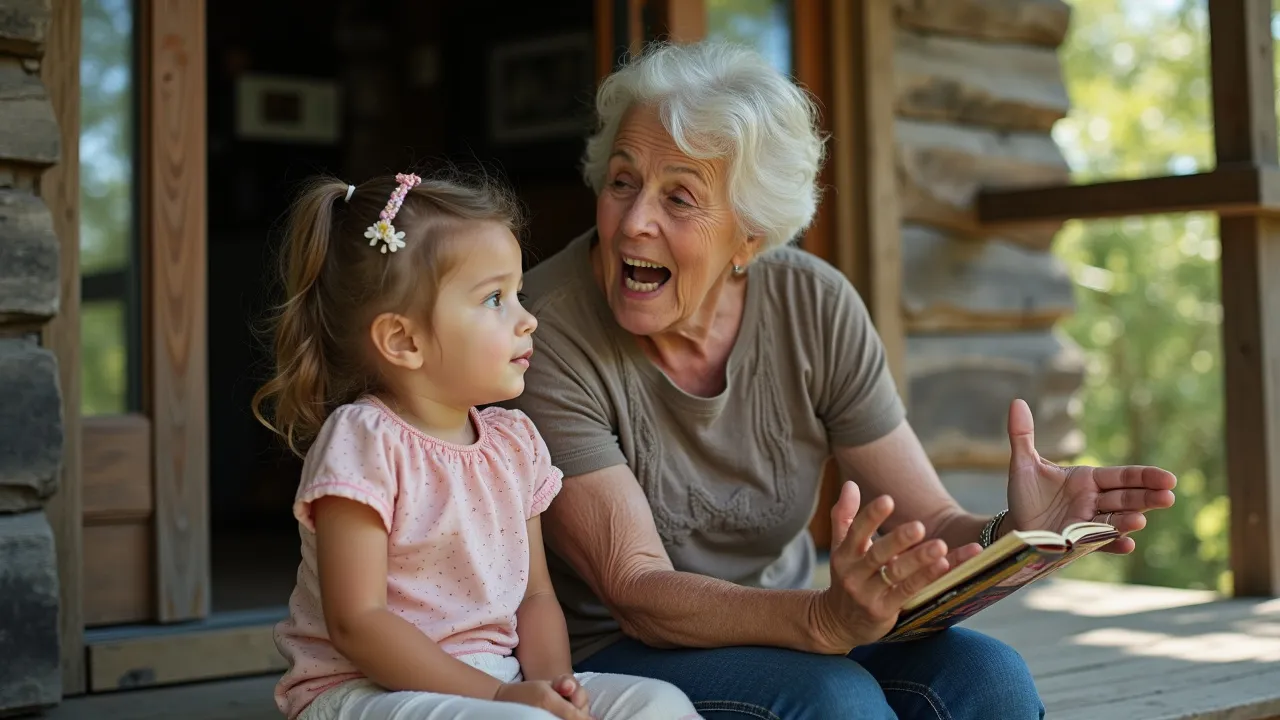
Celebrate the magic of storytelling on February 26th. Discover the history of fairy tales, learn how to share them, and explore their cultural impact worldwide.
The Historical Origins & Evolutionary Journey
Tell a Fairy Tale Day, observed annually on February 26th, is a celebration of one of humanity's oldest traditions: oral storytelling. Fairy tales have captivated audiences for centuries, evolving from folkloric roots into global literary phenomena.
The Foundational Catalyst
The exact origins of the observance are unclear, but it likely emerged in the early 2000s as part of a broader movement to revive oral storytelling traditions in the digital age. Enthusiasts and educators championed the day to encourage families to turn off screens and share classic tales, fostering imagination and moral lessons.
The Role of the Brothers Grimm
The modern fairy tale canon owes much to the Brothers Grimm, who collected and published Germanic folktales in the 19th century. Their work, such as "Cinderella" and "Hansel and Gretel", standardized narratives that were later adapted worldwide. Other key collectors include Hans Christian Andersen (Denmark) and Charles Perrault (France).
Modern Global Legacy
Today, Tell a Fairy Tale Day is celebrated in schools, libraries, and homes globally. The day underscores the enduring power of stories to teach, entertain, and unite people across cultures. UNESCO has recognized oral storytelling as an intangible cultural heritage, highlighting its importance in preserving diverse traditions.
How to Celebrate Tell a Fairy Tale Day
Observance of this day can be both personal and communal. Below are structured activities for different audiences.
For Individuals & Families
- Read Aloud: Choose a classic fairy tale from a favorite collection. Use different voices for characters.
- Invent a Tale: Create an original fairy tale with your family. Start with "Once upon a time..." and include a moral.
- Storytelling Hour: Turn off electronics and gather around a candle or fireplace to share tales orally.
For Schools & Educators
- Classroom Storytelling Circles: Students take turns telling a fairy tale from their culture.
- Creative Writing Workshops: Encourage students to write and illustrate their own fairy tale.
- Cross-Cultural Comparisons: Compare versions of "Cinderella" from different countries (e.g., China's "Yeh-Shen", Egypt's "Rhodopis").
For Organizations & Communities
- Host a Storytelling Festival with local authors and professional storytellers.
- Organize a Fairy Tale Costume Contest for children.
- Partner with libraries for themed reading hours.
The Cultural Impact of Fairy Tales Worldwide
Fairy tales are not merely entertainment; they are vessels of cultural values, fears, and aspirations. They serve as moral compasses, warning against dangers and rewarding virtues like kindness and bravery.
Common Themes Across Cultures
- Good vs. Evil: Almost every tale pits a virtuous hero against a villain.
- Transformation: Characters often undergo physical or psychological changes, symbolizing growth.
- Justice and Retribution: Evil is punished; good is rewarded.
Regional Variations
While the global date is February 26th, some cultures have their own storytelling days. For instance, in Japan, Mukashibanashi no Hi (Old Tale Day) falls on different dates. In India, Storytelling Day is celebrated during the full moon of Vaisakhi. These variations enrich the global tapestry of fairy tales.
Modern Adaptations & Continued Relevance
Fairy tales have evolved beyond oral and print forms into films, TV shows, video games, and interactive media. Disney's animated classics brought tales like "Snow White" to global audiences, while recent adaptations like "Maleficent" offer new perspectives on villains.
In Literature
Authors like Neil Gaiman ("The Sleeper and the Spindle") and Angela Carter ("The Bloody Chamber") have reimagined fairy tales for adult audiences, exploring darker themes. These works keep the genre fresh and relevant.
In Psychology
Psychologists such as Bruno Bettelheim argued that fairy tales help children process complex emotions. The day encourages parents to use tales as tools for empathy and resilience building.
Psychological Benefits of Fairy Tales
Fairy tales are more than whimsical stories; they offer profound psychological benefits for both children and adults.
Emotional Development
Safe Exploration of Fears: Tales like "Little Red Riding Hood" allow children to confront danger in a controlled fantasy world.
Moral Reasoning: Stories illustrate consequences of actions, aiding the development of a moral compass.
Empathy: Identifying with characters fosters understanding of others' feelings.
Cognitive Skills
Vocabulary Expansion: Rich language in tales introduces new words.
Memory Enhancement: Remembering plot points strengthens memory.
Critical Thinking: Analyzing fairy tale motifs teaches pattern recognition and prediction.
Fairy Tales in Education & Literacy
Tell a Fairy Tale Day is a prime opportunity for educators to integrate storytelling into curricula. Studies show that oral storytelling improves reading comprehension and writing skills.
Classroom Activities
- Story Mapping: Students create visual timelines of plot points.
- Character Diaries: Write diary entries from a fairy tale character's perspective.
- Cultural Explorations: Research fairy tales from different regions and present them to the class.
Impact on Literacy
Regular exposure to fairy tales builds a foundation for narrative understanding, which is crucial for later academic success. The day encourages a lifelong love of reading.
Historical Timeline
Charles Perrault publishes <em>"Tales of Mother Goose"</em>, including classics like <em>"Cinderella"</em> and <em>"Little Red Riding Hood"</em>.
The Brothers Grimm publish the first edition of <em>"Grimm's Fairy Tales"</em>, collecting oral folktales from Germany.
Hans Christian Andersen publishes his first collection of fairy tales, including <em>"The Princess and the Pea"</em> and <em>"The Tinderbox"</em>.
Disney releases <em>"Snow White and the Seven Dwarfs"</em>, the first full-length animated feature film based on a fairy tale.
Disney's <em>"Cinderella"</em> is released, cementing the fairy tale film genre's popularity.
Bruno Bettelheim publishes <em>"The Uses of Enchantment"</em>, analyzing the psychological importance of fairy tales for children.
The first <em>"Shrek"</em> film satirizes traditional fairy tales, sparking a trend of deconstructing classic stories.
UNESCO recognizes oral storytelling as an Intangible Cultural Heritage, highlighting the importance of preserving fairy tale traditions.