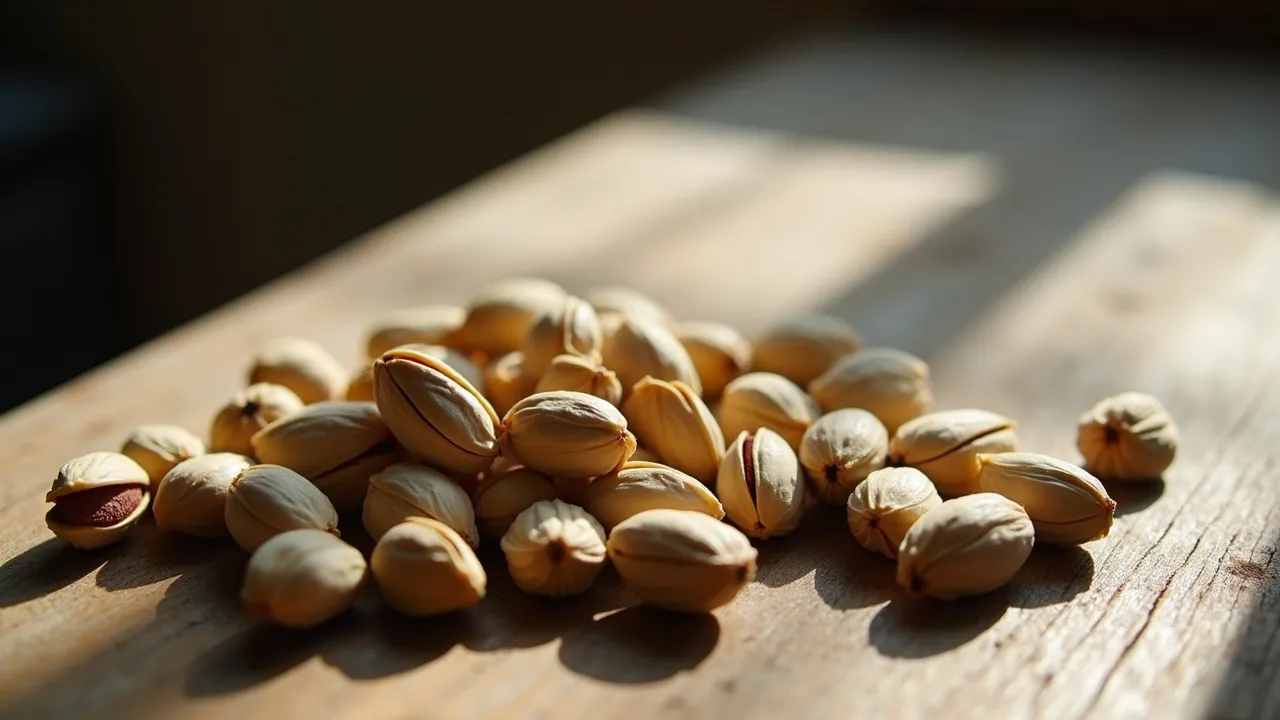
National Pistachio Day, observed on February 26th, celebrates one of the oldest cultivated nuts. This day honors the rich history, health benefits, and culinary versatility of pistachios, from their ancient origins in the Middle East to modern global popularity.
The Historical Origins & Evolutionary Journey
National Pistachio Day, observed annually on February 26th, is a tribute to the pistachio nut—a delicacy cherished for millennia. This section explores the deep historical roots of the pistachio and how the modern observance came to be.
The Foundational Catalyst
The pistachio (Pistacia vera) is one of the oldest flowering nut trees, with evidence of its consumption dating back to 6750 BC in present-day Jordan. Ancient civilizations in the Middle East, particularly Persia (modern Iran), revered pistachios as a symbol of wealth and health. They were a favorite of the Queen of Sheba and were mentioned in the Old Testament. Pistachios were introduced to the Roman Empire in the 1st century AD and later spread to China via the Silk Road.
The Legislative/Official Adoption
In the United States, pistachio cultivation began in the late 19th century, but commercial growth exploded in the 1970s after the introduction of the ‘Kerman’ variety. The exact origins of National Pistachio Day are somewhat obscure, but it is believed to have been established by the pistachio industry as a marketing initiative in the early 2000s. The date February 26th was chosen to coincide with the peak of the domestic harvest season and to boost consumption during a typically quiet period for nut sales. While not a federal holiday, it has been embraced by growers, retailers, and food enthusiasts across the country.
Modern Global Legacy
Today, National Pistachio Day is celebrated not only in the US but also internationally, thanks to the global popularity of pistachios. The day promotes the nutritional benefits, versatile culinary uses, and economic importance of the pistachio industry. Social media campaigns, cooking demonstrations, and retail promotions have turned February 26th into a day of nut appreciation worldwide.
How to Celebrate National Pistachio Day
National Pistachio Day offers endless opportunities for enjoyment and education. Whether you are an individual, a school, or an organization, here are some of the best ways to celebrate this nutty holiday.
For Individuals and Families
- Snack with Purpose: Enjoy a handful of raw or roasted pistachios as a healthy snack. Try different flavors like chili lime, honey roasted, or sea salt.
- Cooking and Baking: Incorporate pistachios into your meals. Add them to salads, pasta, or crusted fish. Bake pistachio cookies, cakes, or the iconic Middle Eastern dessert baklava.
- Host a Pistachio Tasting Party: Gather friends and sample various pistachio products—from different brands to flavored varieties. Rate them and share your favorites.
For Schools and Educational Institutions
- History Lesson: Teach students about the ancient origins of pistachios and their journey along the Silk Road.
- Science Experiment: Demonstrate the force required to crack a pistachio shell and discuss the mechanics of the nut.
- Cooking Class: Prepare simple pistachio-based recipes like pistachio butter or pesto.
For Organizations and Businesses
- Pistachio Promotions: Retailers can offer discounts on pistachio products. Restaurants can feature pistachio-infused dishes or cocktails.
- Social Media Campaigns: Launch a hashtag like #NationalPistachioDay to encourage user-generated content. Share fun facts, recipes, and giveaways.
- Charity Partnerships: Donate a portion of pistachio sales to nutrition programs or sustainable farming initiatives.
Global Traditions
In Iran, pistachios are often served with tea and sweets. In Turkey, pistachio-filled baklava is a specialty. In Italy, pistachios are used in pesto and gelato. On National Pistachio Day, many cultures celebrate by preparing traditional dishes that highlight the nut's unique flavor.
Health Benefits of Pistachios
Pistachios are not only delicious but also packed with nutrients. They are rich in protein, fiber, healthy fats, and antioxidants. Regular consumption can support heart health, weight management, and blood sugar control.
Nutritional Profile
- Heart Health: Pistachios contain monounsaturated and polyunsaturated fats, which help lower bad cholesterol levels.
- Rich in Antioxidants: They are among the highest antioxidant-containing nuts, reducing oxidative stress.
- Vitamin B6: One of the best sources of vitamin B6, which supports brain function and metabolism.
- Fiber: A serving provides 3 grams of fiber, aiding digestion.
Scientific Studies
Research published in the Journal of Nutrition found that daily pistachio consumption improved lipid profiles. Another study showed that pistachios may reduce inflammation and improve vascular health. The American Diabetes Association recommends pistachios as part of a balanced diet for diabetes management due to their low glycemic index.
How Many Pistachios Should You Eat?
A standard serving size is 1 ounce (about 49 kernels). This provides approximately 160 calories, making them a perfect snack for energy without overindulgence.
Global Pistachio Production & Economic Impact
Pistachios are grown in arid climates worldwide, with major producers including Iran, the United States, Turkey, China, and Syria. The global pistachio market is valued at over $3 billion and continues to grow.
Top Producing Countries
- Iran: Historically the largest producer, known for its high-quality pistachios like the 'Ahmad Aghaei' variety.
- United States: Primarily California's Central Valley, accounting for nearly 50% of global production. The 'Kerman' variety dominates.
- Turkey: Famous for 'Antep' pistachios used in baklava.
- China: Rapidly increasing production to meet domestic demand.
- Syria: Despite conflict, remains a significant producer of 'Aleppo' pistachios.
Economic Factors
Pistachio farming provides income for thousands of rural families. The US pistachio industry supports over 30,000 jobs. Trade policies and climate change heavily impact yields. For instance, the US drought has forced farmers to adopt efficient irrigation techniques. The day also highlights sustainability efforts, such as water-saving practices and organic farming.
Culinary Uses Around the World
Pistachios lend a vibrant green color and buttery flavor to countless dishes. From savory to sweet, they are a versatile ingredient.
Savory Dishes
- Middle Eastern: Pistachio-studded rice pilaf, kibbeh, or crust for lamb.
- Italian: Pistachio pesto, pasta sauces, and crusted fish.
- Indian: Creamy pistachio curry (korma) and biryani garnishes.
Sweet Treats
- Baklava: Layers of phyllo dough filled with pistachios and honey syrup.
- Gelato: Italian pistachio gelato is a classic.
- Candies: Turkish delight, Persian nougat (gaz), and pistachio brittle.
Innovative Uses
Pistachio milk is a dairy-free alternative, and pistachio butter can replace peanut butter. Chefs even use pistachio powder as a natural food coloring. The nut’s mild sweetness pairs well with chocolate, citrus, and spices like cardamom.
Pistachio Trivia & Fun Facts
Did you know that pistachios are actually fruits? Here are more surprising facts:
Pistachios are one of the oldest flowering nut trees, with a history of over 9,000 years.
The red dye once used on pistachios was discontinued in the 1980s; natural colors are now preferred.
China is the world's largest importer of pistachios, consuming them during Lunar New Year as a symbol of good luck.
Pistachio trees take 7-10 years to produce a full harvest.
The word 'pistachio' comes from Persian 'pisteh'.
In the US, pistachios are often sold in-shell to slow down eating and increase satisfaction.
Historical Timeline
Archaeological evidence from the Neolithic site of Tell Abu Hureyra (modern-day Jordan) shows pistachios were consumed by early humans.
Pistachios are introduced to the Roman Empire by Emperor Vitellius, becoming a luxury snack among Rome's elite.
Pistachio trees are imported to the United States by Charles Mason, a US consul in Turkey, and planted in California.
The US Department of Agriculture begins pistachio research and distribution of seeds to California growers.
The 'Kerman' variety, developed by USDA, is widely planted in California's San Joaquin Valley, sparking commercial production.
National Pistachio Day is informally established on February 26th, promoted by the pistachio industry to boost consumption.
Global pistachio production reaches over 1 million metric tons, with the US surpassing Iran as the top producer.