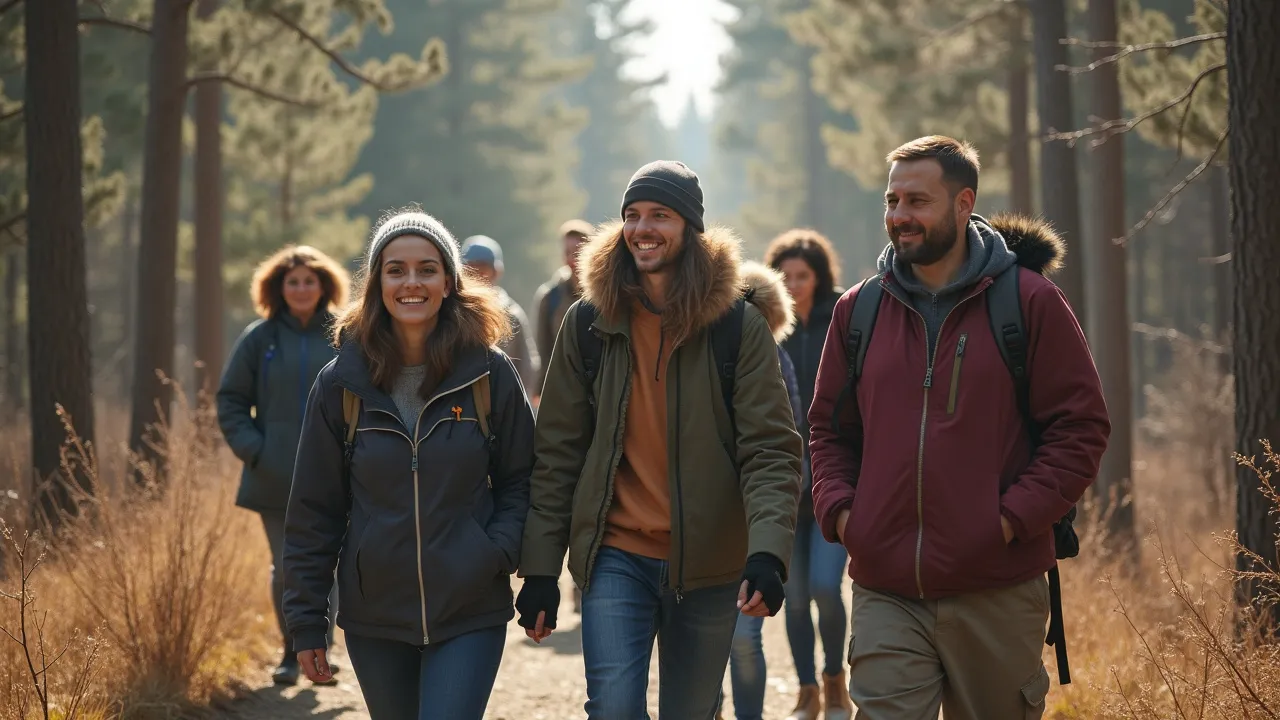
Observed annually on January 20th, Take a Walk Outdoors Day encourages people to step outside, enjoy nature, and reap the physical and mental health benefits of walking. This day promotes simple, accessible exercise for all ages.
The Historical Origins & Evolutionary Journey
Take a Walk Outdoors Day was conceived as a grassroots effort to combat sedentary lifestyles and reconnect people with nature. While its exact founding year is debated, the day gained traction in the early 2000s when health experts began emphasizing the importance of moderate physical activity. The American Heart Association and the Centers for Disease Control and Prevention (CDC) were early advocates, promoting walking as a simple, low-impact exercise that could be incorporated into daily routines.
The Foundational Catalyst
The rise of urban sprawl and technology-induced inactivity during the 1990s led to a public health crisis: obesity rates soared, and mental health concerns increased. In response, community leaders and wellness organizations launched "Walk to School" programs and "Walkable Communities" initiatives. Take a Walk Outdoors Day emerged as a focal point, encouraging people to step away from screens and into fresh air.
Legislative & Official Adoption
Although not a federal holiday, several U.S. states and municipalities have officially proclaimed January 20th as Take a Walk Outdoors Day. The day is often supported by local parks and recreation departments, which host guided walks and nature hikes. In 2010, the National Park Service began promoting the day through its "Healthy Parks Healthy People" initiative, further cementing its importance.
Modern Global Legacy
Today, the day is celebrated in over 20 countries, with variations such as Japan's "Walking Day" in autumn and Australia's "Walk to Work Day" in spring. The core message remains constant: walking outdoors improves cardiovascular health, reduces stress, and fosters environmental stewardship. Social media campaigns like #TakeAWalkOutdoorsDay have amplified participation, with millions sharing photos of their walks each year.
How to Celebrate Take a Walk Outdoors Day
Celebrating is simple: go outside and walk! But to maximize the experience, consider these structured activities for individuals, schools, and organizations:
- Plan a Nature Walk: Choose a local park, trail, or greenway. Aim for at least 30 minutes of continuous walking.
- Incorporate Mindfulness: Practice walking meditation—focus on your breath, the sounds of birds, and the feeling of the ground beneath your feet.
- Invite Your Community: Organize a group walk with neighbors, coworkers, or classmates. Use social media to spread the word.
- Make It Educational: Bring a field guide to identify plants, trees, or birds. Turn your walk into a mini-biology lesson.
- Corporate & School Rituals: Companies can host step challenges with prizes; schools can hold outdoor recess or walking field trips.
Global Celebration Variations
- United States: Many cities offer free guided hikes in national parks. The CDC promotes the "Walk and Talk" program for office workers.
- Japan: While not on January 20th, Japan has "Walking Day" in autumn; some groups adapt Take a Walk Outdoors Day for winter walks in urban gardens.
- United Kingdom: The Ramblers Association organizes group walks, often in historic countryside paths.
- Australia: "Walk to Work Day" in spring encourages commuters to walk part of their journey; some companies adopt similar activities on January 20th.
Regardless of location, the key is to disconnect from devices and connect with nature. Even a 10-minute walk around the block counts!
The Health Benefits of Walking Outdoors
Walking outdoors in January might require a coat, but the health rewards are immense. Physical benefits include improved cardiovascular fitness, lower blood pressure, and strengthened bones and muscles. Walking also aids weight management and reduces the risk of chronic diseases such as type 2 diabetes and certain cancers.
Mental & Emotional Wellness
Exposure to natural light boosts vitamin D levels and regulates circadian rhythms, improving sleep quality. The Japanese practice of shinrin-yoku (forest bathing) shows that walking in green spaces lowers cortisol, reduces anxiety, and enhances mood. A 2019 study in Scientific Reports found that a 60-minute walk in nature decreases brain activity linked to negative rumination.
Social Connectivity
Group walks foster social bonds and combat loneliness. For older adults, walking clubs provide a sense of community and purpose. For children, walking to school encourages independence and builds healthy habits early.
Scientific Validation
The American Heart Association recommends at least 150 minutes of moderate-intensity walking per week. Take a Walk Outdoors Day serves as a perfect starting point for those new to exercise, offering a non-intimidating entry into an active lifestyle.
Environmental and Community Impact
Take a Walk Outdoors Day also highlights environmental stewardship. When people walk, they reduce carbon emissions from vehicles, contributing to cleaner air. The day often overlaps with local clean-up events, where participants pick up litter along trails. This dual focus on personal and planetary health creates a powerful synergy.
Urban Planning and Walkability
The day prompts discussions about community walkability. Advocates push for safer sidewalks, crosswalks, and green spaces. Cities like Copenhagen and Portland have used such awareness days to launch pedestrian-friendly infrastructure projects. In 2022, the World Health Organization endorsed the day as part of its "Walk for Health" campaign, urging urban planners to prioritize pedestrians.
Economic Benefits
Walking paths and parks increase property values and attract tourists. Local businesses often participate by offering discounts to walkers, creating a win-win for health and commerce. A study by the Rails-to-Trails Conservancy found that communities with extensive trail networks see a 2-4% increase in retail sales near trailheads.
Corporate and Educational Participation
Workplaces and schools are major drivers of Take a Walk Outdoors Day. Companies use the occasion to boost employee morale and productivity. Many organize walking meetings (called "walk-and-talks") to stimulate creativity. A Stanford study found that walking increases creative output by 60% compared to sitting.
School Programs
Teachers incorporate outdoor lessons on January 20, from nature journaling to science scavenger hunts. The "Walk to School" movement encourages parents to accompany children on foot, reducing traffic congestion and promoting physical activity. Some districts even delay start times to allow for longer walking routes.
Employee Wellness Challenges
Corporations like Google and Apple have internal step challenges, with prizes for teams that walk the most. Insurance companies sometimes offer premium discounts to employees who participate in wellness activities on this day. The American Heart Association's "Walking Paths" toolkit helps companies design safe walking routes on their campuses.
Safety Tips and Accessibility Considerations
While walking is generally safe, winter conditions require precautions. Wear sturdy shoes with good traction, dress in layers, and stay hydrated. Carry a phone for emergencies, but avoid using it while walking to stay alert. Check weather forecasts and avoid icy paths.
Accessibility for All
Take a Walk Outdoors Day is for everyone, regardless of ability. Wheelchair-friendly paths, walking poles for stability, and seated exercises for those with limited mobility ensure inclusion. Many parks offer adaptive walking programs. The day's spirit emphasizes that any step taken outside is a victory.
Pet Participation
Dogs make excellent walking companions! However, local leash laws should be followed, and owners should bring waste bags and water for their pets. Studies show that dog owners are more likely to meet daily walking goals.
Historical Timeline
Take a Walk Outdoors Day is first unofficially observed as a grassroots wellness promotion, likely around 2002. Health organizations begin promoting the day to encourage physical activity.
The National Park Service partners with health agencies to endorse the day, offering free guided walks in many U.S. national parks.
Social media campaigns, especially #TakeAWalkOutdoorsDay, go viral, increasing global participation. Over 1 million posts are shared on Instagram alone.
During the COVID-19 pandemic, the day gains renewed importance as outdoor walking becomes a safe, socially distanced activity. Virtual walk challenges emerge.
The World Health Organization officially recognizes the day as part of its 'Walk for Health' initiative, urging cities to improve walkability.