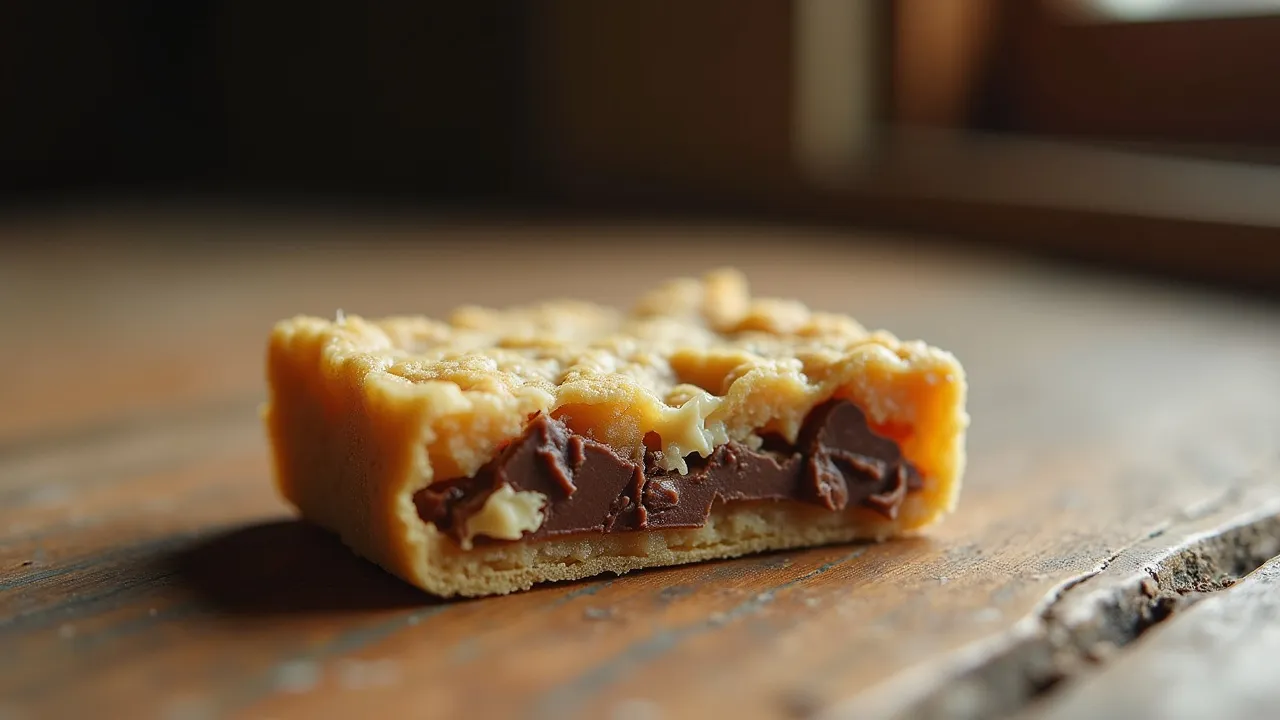
National Buttercrunch Day on January 20 celebrates the crunchy toffee candy coated in chocolate and almonds. Learn its history, recipes, and how to enjoy this sweet treat.
The Historical Origins & Evolutionary Journey
National Buttercrunch Day, observed annually on January 20th, honors a beloved confection that combines buttery toffee, chocolate, and crunchy almonds. While the exact origins of the day itself are somewhat obscure, the candy's history is rich and well-documented.
The Foundational Catalyst: Buttercrunch's Rise
Buttercrunch is a variant of English toffee, a confection dating back to the 19th century. The earliest known recipes for "buttercrunch" appear in early 20th-century cookbooks, often described as a buttery, brittle toffee with nuts. By the 1920s, recipes for "butter crunch" or "butter toffee" were common in American home kitchens. The addition of a chocolate coating became popular in the 1950s, solidifying the modern form.
The Legislative/Official Adoption
Unlike holidays proclaimed by governments, National Buttercrunch Day emerged from food industry marketing and enthusiast calendars. It is not federally recognized but is widely celebrated in candy circles. The date January 20th was likely chosen to provide a mid-winter sweet celebration, after the holiday season and before Valentine's Day.
Modern Global Legacy
Today, buttercrunch is enjoyed worldwide, often under names like "chocolate toffee" or "almond buttercrunch." Artisan chocolatiers and home bakers alike celebrate the day by sharing recipes, hosting tasting events, and creating new variations. The day has gained traction on social media, with hashtags like #NationalButtercrunchDay trending each year.
How to Celebrate National Buttercrunch Day
Celebrating National Buttercrunch Day is all about indulging in this crunchy, sweet treat. Here are actionable ways to make the most of January 20th.
For Individuals and Families
- Make Homemade Buttercrunch: Try classic recipes or experiment with flavored chocolate or different nuts.
- Host a Tasting Party: Compare store-bought brands with homemade versions. Rate them on crunch, chocolate richness, and nuttiness.
- Share on Social Media: Post photos with #ButtercrunchDay and tag friends to spread the joy.
For Schools and Organizations
- Bake Sale Fundraiser: Sell buttercrunch bars to raise funds for a cause.
- Educational Activity: Teach students about candy chemistry — the science of caramelization and crystallization.
- Cultural Exchange: Explore how different cultures make similar toffee treats, like English treacle toffee or French nougatine.
Corporate and Social Rituals
Businesses can offer free samples, run promotions on buttercrunch products, or host team-building candy-making workshops. In the food service industry, chefs often feature buttercrunch as a garnish or dessert component on the menu.
Global Impact and Cultural Variations
While National Buttercrunch Day is primarily observed in the United States, the underlying confection has variations across the globe.
Regional Adaptations
- United Kingdom: Similar to buttercrunch is "buttercrunch toffee" or simply "crunchy toffee". Often served with tea.
- Australia: Known as "chocolate crackles" when made with Rice Bubbles, but buttercrunch itself is less common.
- Scandinavia: "Knäck" is a similar brittle toffee made during Christmas with almonds.
- Latin America: "Turrón" or "cajeta" variations sometimes include crunchy textures.
The day has sparked international interest through online communities, with bakers from Japan, Germany, and Brazil sharing their renditions. The global candy industry recognizes buttercrunch as a classic flavor profile, often featured in seasonal collections.
The Science Behind Buttercrunch
Buttercrunch is a prime example of candy-making chemistry. The key is achieving the perfect caramelization of sugar and butter.
Caramelization and Maillard Reaction
When sugar is heated above 320°F (160°C), it breaks down into complex compounds, creating deep flavors. The addition of milk solids from butter accelerates the Maillard reaction, adding nutty, savory notes.
Crystal Control
Successful toffee relies on preventing sugar crystallization. Adding an acid like cream of tartar or corn syrup interferes with crystal formation, resulting in a smooth, glassy texture. Over-stirring can introduce crystals and cause graininess.
Temperature Precision
Toffee must reach the "hard crack" stage (300-310°F or 149-154°C). Using a candy thermometer is crucial. Once cooled, the toffee becomes brittle and crunchy.
Understanding these scientific principles helps home cooks troubleshoot and perfect their buttercrunch recipes.
Nutritional Profile and Dietary Considerations
Buttercrunch is a high-calorie confection, but it can be enjoyed in moderation. A typical serving (about 1 oz or 28g) contains roughly 150 calories, 10g fat (mostly saturated), 15g sugar, and 2g protein.
Allergen Information
- Common Allergens: Contains dairy (butter, chocolate), nuts (almonds), and sometimes soy (in chocolate).
- Gluten-Free: Most buttercrunch recipes are naturally gluten-free, but check labels for cross-contamination.
- Vegan Options: Use vegan butter, dairy-free chocolate, and substitute nuts for almonds if needed.
Healthier Variations
To reduce sugar, use alternative sweeteners like erythritol or stevia. Dark chocolate (70%+ cocoa) adds antioxidants. Portion control is key — enjoy a small piece as part of a balanced diet.
Industry and Economic Impact
National Buttercrunch Day boosts the confectionery industry, particularly small-batch producers and artisan chocolatiers.
Sales and Marketing
Retailers often feature buttercrunch in seasonal displays. Online searches for "buttercrunch" spike in January, leading to increased e-commerce sales. Many brands release limited-edition flavors or gift boxes for the day.
Supporting Local Businesses
The day encourages customers to visit local candy shops, bakeries, and farmers' markets. For producers, it's an opportunity to showcase craftsmanship and build brand loyalty.
Beyond direct sales, the holiday stimulates tourism in towns known for confectionery, such as those with historic chocolate factories.
Historical Timeline
Earliest known recipes for 'buttercrunch' appear in American cookbooks, describing a buttery toffee with nuts.
Chocolate coating becomes a standard addition, giving buttercrunch its modern form.
Buttercrunch gains popularity as a homemade holiday treat, often given as gifts.
National Buttercrunch Day emerges as an unofficial food holiday, promoted by candy enthusiasts and online calendars.
Social media platforms drive global awareness, with hashtags like #ButtercrunchDay trending annually.
The day gains official recognition from some confectionery associations, and major brands begin marketing campaigns around January 20th.