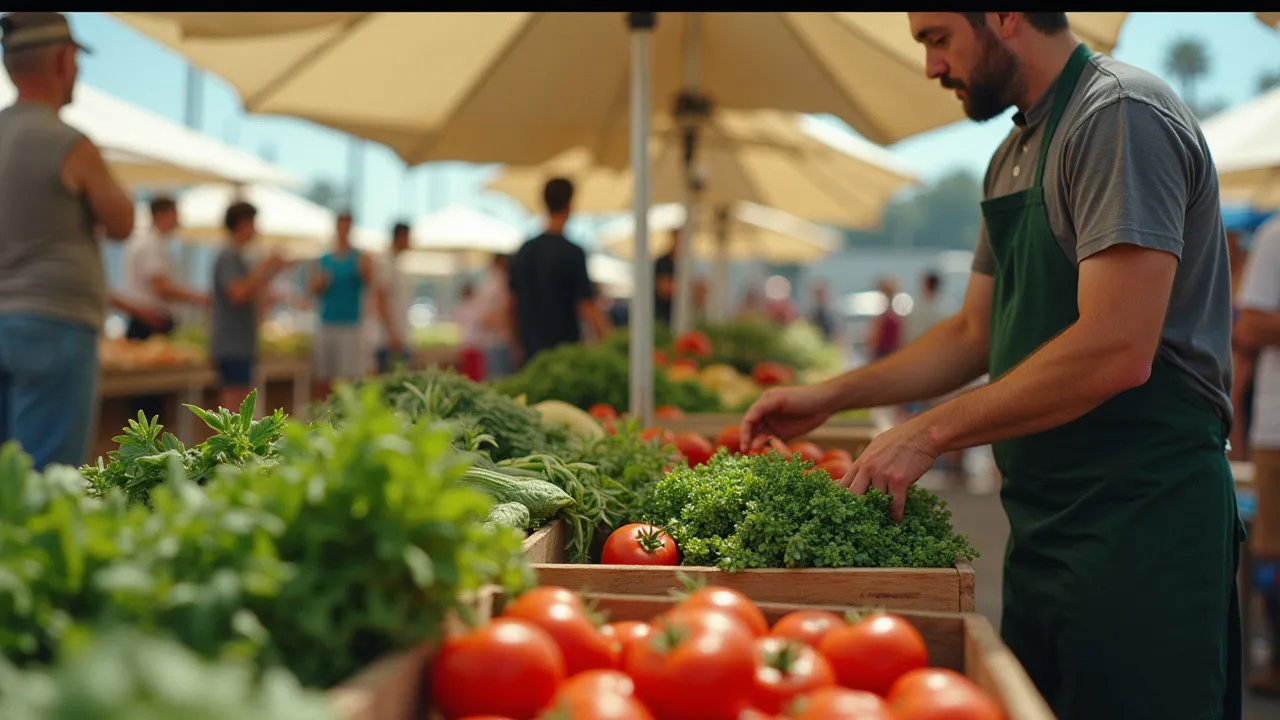
Sustainable Gastronomy Day, observed on June 18th, celebrates local, seasonal, and environmentally conscious food systems. It promotes biodiversity, food heritage, and sustainable agricultural practices worldwide.
The Historical Origins & Evolutionary Journey
Sustainable Gastronomy Day was formally established by the United Nations General Assembly on December 21, 2016, through Resolution A/RES/71/246. The resolution recognized gastronomy as a cultural expression related to natural and cultural diversity, and emphasized the need to promote sustainable patterns of food production and consumption. The first official celebration took place on June 18, 2017.
The Foundational Catalyst
The concept emerged from a growing global awareness of the environmental footprint of the food industry. Unsustainable agricultural practices, food waste, and loss of biodiversity had become pressing issues. The UN's Food and Agriculture Organization (FAO) and UNESCO jointly championed the day, linking gastronomy with sustainable development goals (SDGs). The date June 18th was chosen to coincide with the Sustainable Gastronomy Day events already promoted by the World Food Travel Association and other non-profits.
The Legislative/Official Adoption
The resolution was co-sponsored by 28 member states, led by Peru and France—nations with strong culinary traditions. The text highlighted the role of gastronomy in promoting sustainable agriculture, food security, and rural development. It called upon member states, civil society, and the private sector to organize events and educational activities.
Modern Global Legacy
Since 2017, Sustainable Gastronomy Day has grown into a worldwide movement. The UN organizes annual events at its headquarters, featuring chefs, farmers, and policymakers. Social media campaigns like #SustainableGastronomyDay amplify the message. The day now influences menus in restaurants, school curricula, and urban food policies.
How to Celebrate Sustainable Gastronomy Day
Sustainable Gastronomy Day offers a platform for individuals, communities, and organizations to take action. Below are key strategies to honor the day meaningfully.
Individual Actions
- Eat Local and Seasonal: Visit farmers markets, join a CSA, and cook with produce native to your region.
- Reduce Food Waste: Plan meals, use leftovers creatively, and compost scraps.
- Choose Plant-Based: Incorporate more vegetable-centric meals to lower your carbon footprint.
- Learn a Traditional Recipe: Prepare a dish from your cultural heritage using indigenous ingredients.
Community and School Celebrations
- Organize a Potluck: Encourage attendees to bring dishes made from local, organic ingredients. Share stories about the food's origin.
- Host a Cooking Workshop: Invite a local chef to demonstrate sustainable cooking techniques, such as nose-to-tail or root-to-stem cooking.
- Start a School Garden: Engage students in planting herbs and vegetables, and use the harvest for cafeteria meals.
Corporate and Organizational Initiatives
- Menu Revamp: Restaurants can feature a special menu highlighting sustainable suppliers or foraged ingredients.
- Zero-Waste Challenge: Companies can commit to reducing food waste in their cafeterias by 50% on this day.
- Farmer Partnerships: Food businesses can launch long-term contracts with local farmers to ensure fair wages and ecological practices.
In Peru, the day is celebrated with massive food festivals that showcase native crops like quinoa, kiwicha, and maca. In France, chefs host free open-air cooking classes emphasizing terroir and organic produce. Japan sees a rise in washoku (traditional Japanese cuisine) events that highlight sustainable seafood and fermentation. These diverse traditions all align with the core principle: honoring the earth while feeding people.
Environmental and Social Impact
Sustainable gastronomy directly addresses several planetary boundaries. The food system is responsible for about one-third of global greenhouse gas emissions, 70% of freshwater use, and is the primary driver of biodiversity loss. By promoting sustainable gastronomy, we can mitigate these impacts.
Climate Change Mitigation
Shifting towards plant‑rich diets, reducing food waste, and supporting regenerative agriculture can cut emissions by up to 8 gigatons per year by 2050. Sustainable gastronomy encourages low-carbon cooking methods, such as using pressure cookers and solar ovens, and reducing reliance on air‑freighted ingredients.
Biodiversity and Heritage
Many traditional foods are based on diverse crops that are resilient to climate change. For example, indigenous grains like fonio in West Africa or amaranth in Mexico are nutrient-dense and require little water. Sustainable gastronomy helps preserve these heritage varieties and the knowledge of how to cultivate and prepare them.
Social Equity
The movement also supports smallholder farmers and food artisans. By choosing fair-trade and direct‑trade products, consumers help ensure that producers receive a living wage. Sustainable gastronomy days often include visits to community kitchens that empower women and marginalized groups.
The Role of Chefs and Culinary Professionals
Chefs are at the forefront of the sustainable gastronomy movement. They act as educators, innovators, and advocates for change.
Farm-to-Table Leadership
Many Michelin‑starred chefs now operate their own farms or partner directly with producers. Renowned chef Massimo Bottura uses his network to combat food waste through his Refettorio projects. In Scandinavia, the New Nordic Cuisine movement emphasizes foraging and local, seasonal ingredients.
Menu Innovation
Chefs are re-imagining underutilized ingredients: using fish offcuts, vegetable stems, and invasive species like lionfish. They create dishes that are not only delicious but also tell a story of place and ecology. On Sustainable Gastronomy Day, many restaurants donate a portion of proceeds to environmental nonprofits.
Training and Advocacy
Culinary schools increasingly include modules on sustainability. The World Chefs Alliance and UN collaborate to train chefs in plant‑based cooking and waste reduction. Professional organizations publish recipes that adhere to the Sustainable Development Goals.
Global Initiatives and Policy Frameworks
The observance aligns with several international programs.
UN Sustainable Development Goals (SDGs)
Sustainable Gastronomy Day directly supports SDG 2 (Zero Hunger), SDG 12 (Responsible Consumption and Production), SDG 13 (Climate Action), and SDG 15 (Life on Land). The UN encourages countries to integrate gastronomy into national strategies for sustainable tourism and agriculture.
FAO and UNESCO Collaborations
The FAO runs the Globally Important Agricultural Heritage Systems (GIAHS) program, which recognizes traditional farming systems that sustain biodiversity. UNESCO’s Creative Cities Network includes gastronomy as one of its seven creative fields, with cities like San Antonio, Denia, and Phuket committed to sustainable practices.
National Policies
Several countries have enacted policies that reflect the spirit of the day. For example, France’s food waste law requires supermarkets to donate unsold food. Italy mandates that schools serve locally sourced, organic meals. These policies are often highlighted on June 18th as examples to follow.
The Future of Sustainable Gastronomy
As the world faces escalating climate challenges, sustainable gastronomy is evolving rapidly.
Technological Innovations
Artificial intelligence is being used to optimize supply chains and reduce waste. 3D food printing from upcycled ingredients, blockchain traceability for ethical sourcing, and lab‑grown meat alternatives are all part of the future landscape. However, critics warn that technology must not replace traditional knowledge.
Cultural Preservation
There is a renewed emphasis on indigenous food systems. For example, the Slow Food movement’s Ark of Taste catalogues endangered foods worldwide. Future celebrations may include virtual exchange programs where chefs from different regions share techniques via livestream.
Consumer Empowerment
Younger generations are demanding transparency. Apps that score restaurants on sustainability, seasonal calendars, and carbon footprint calculators are becoming mainstream. Sustainable Gastronomy Day will likely become a powerful platform for launching such tools and encouraging behavioral change.
Historical Timeline
The United Nations adopts the 2030 Agenda for Sustainable Development, setting the stage for a dedicated day linking gastronomy with sustainability.
The UN General Assembly passes Resolution A/RES/71/246, officially establishing June 18th as Sustainable Gastronomy Day.
First official celebration of Sustainable Gastronomy Day, with events at UN headquarters and in over 30 countries.
FAO and UNESCO jointly launch a global campaign, 'Eat Local, Think Global,' encouraging community food festivals.
Over 500 events registered worldwide, including a record-breaking zero-waste dinner in Paris attended by 1,000 people.
COVID-19 pandemic shifts celebrations online, with virtual cooking classes and webinars on food security reaching millions.
The UN Food Systems Summit highlights sustainable gastronomy as a key lever for transformation.
More than 100 countries officially recognize the day, and Peru hosts a large-scale 'Gastronomy for Climate' conference.
The European Union launches its 'Farm to Fork' strategy, aligning with Sustainable Gastronomy Day principles.