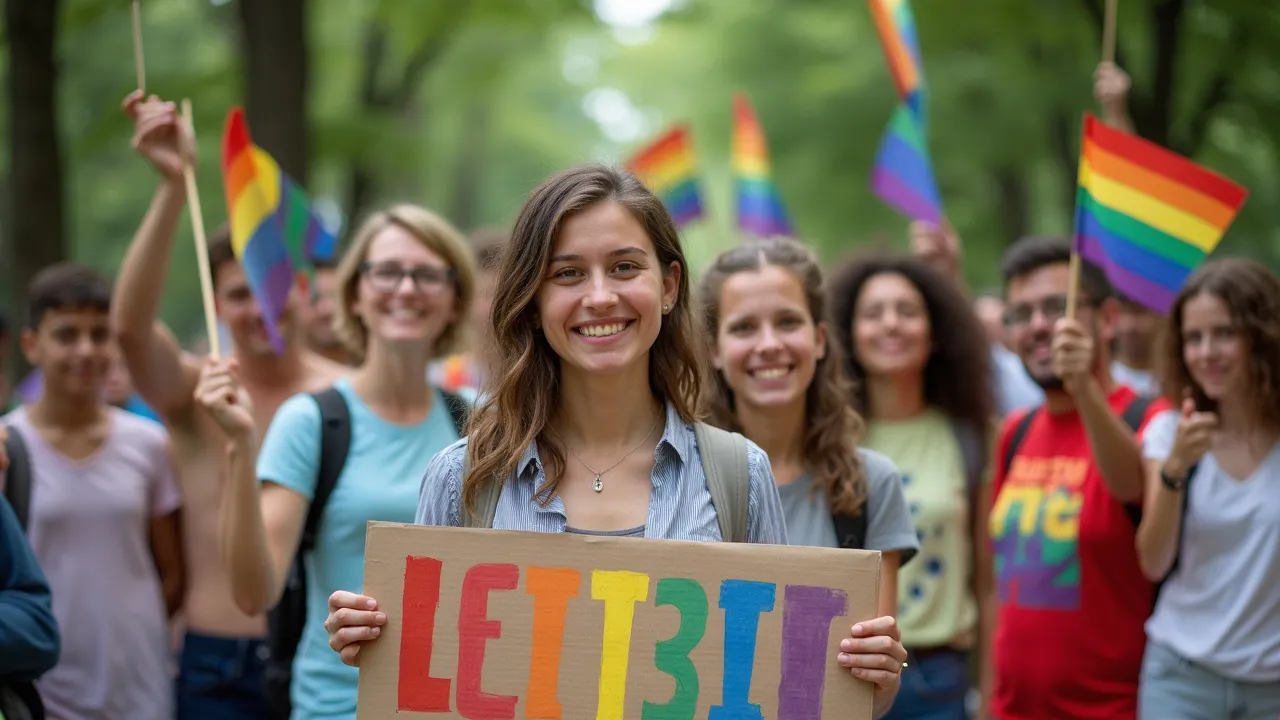
Autistic Pride Day, observed on June 18th, celebrates the diversity and unique strengths of autistic individuals. It promotes acceptance, self-advocacy, and the neurodiversity movement, challenging stereotypes and stigma.
The Historical Origins & Evolutionary Journey
Autistic Pride Day was first celebrated on June 18, 2005, founded by the online community Aspies for Freedom (AFF). The day was established to shift the narrative from autism as a disease to autism as a natural variation in human neurology. Below, we explore the foundational catalyst, official adoption, and modern global legacy.
The Foundational Catalyst
The early 2000s saw a rise in autism advocacy led by autistic adults who rejected the pathologizing language of the medical model. AFF, one of the first major online groups for autistic people, organized the first Autistic Pride Day in 2005. The date was chosen to coincide with the Autistic Pride Picnic in the UK, a small gathering of self-advocates. Key goals included:
- Promoting acceptance over cure-seeking.
- Highlighting autistic voices in public discourse.
- Fostering community solidarity against ableist narratives.
The Legislative/Official Adoption
While Autistic Pride Day remains primarily community-driven, it has received informal recognition from autism organizations worldwide. In 2018, the United Nations acknowledged the day through statements from disability rights bodies. Several countries, including the UK, United States, and Australia, have seen official proclamations in cities and states.
Modern Global Legacy
Today, Autistic Pride Day is celebrated across all continents with events, parades, social media campaigns, and educational workshops. The rainbow infinity symbol—representing neurodiversity and limitless potential—has become the universal emblem. The day continues to evolve, embracing intersectionality and the voices of non-speaking, LGBTQ+, and multiply marginalized autistic individuals.
How to Celebrate Autistic Pride Day
Autistic Pride Day is about celebrating autistic identity, not just raising awareness. Participation can take many forms, from personal reflection to public advocacy. Below are detailed strategies for individuals, schools, and organizations.
For Individuals and Families
- Wear the rainbow infinity symbol to show solidarity and spark conversations.
- Share autistic perspectives on social media using hashtags like #AutisticPrideDay.
- Host a sensory-friendly gathering with low lighting, quiet spaces, and preferred activities.
- Read books by autistic authors such as NeuroTribes by Steve Silberman or Unmasking Autism by Devon Price.
For Schools and Educational Institutions
- Arrange assemblies featuring autistic speakers or panel discussions.
- Incorporate neurodiversity lessons into curricula to teach acceptance.
- Create safe spaces where autistic students can express themselves without masking.
For Organizations and Employers
- Launch neurodiversity hiring initiatives and provide reasonable accommodations.
- Host awareness workshops focused on autistic strengths and challenges.
- Publish public statements of commitment to inclusion.
Global Variations
In the United Kingdom, events often include picnics and community art projects. In India, parent-led groups organize rallies. In Brazil, online livestreams feature autistic advocates discussing rights. The United States sees university-sponsored events and corporate partnerships.
Global Impact & Societal Shifts
Autistic Pride Day has catalyzed significant changes in public perception, policy, and cultural representation. Its impact can be measured across several domains.
Policy and Legal Progress
The day has been instrumental in pushing for autism acceptance legislation. In 2021, the U.S. passed the "Autism CARES Act" which includes provisions for adult services and transition support. Similar laws in the EU and Australia reflect the growing emphasis on quality of life over mere prevalence tracking.
Cultural Representation
Media portrayals of autism have evolved from caricatures to nuanced characters. Shows like Atypical and Love on the Spectrum have been criticized and praised by autistic communities, sparking important dialogues about authentic representation. Autistic Pride Day amplifies the call for #NothingAboutUsWithoutUs in film, television, and literature.
Economic Contributions
Companies like Microsoft, SAP, and JPMorgan Chase have neurodiversity hiring programs directly inspired by autistic advocacy. These programs recognize the unique talents of autistic employees in pattern recognition, attention to detail, and systematic thinking.
Core Themes & Symbolism
The observance embodies several central themes, each represented by powerful symbols and concepts.
The Rainbow Infinity Symbol
Adopted as the universal logo, the infinity symbol in rainbow colors represents diversity within the autism spectrum and the infinite possibilities of autistic minds. It contrasts with the puzzle piece symbol, which many reject for implying missing or incomplete parts.
Neurodiversity Paradigm
Autistic Pride Day is rooted in the neurodiversity framework, which views neurological variations as natural differences akin to biodiversity. This paradigm challenges the medical model that pathologizes autism.
Self-Advocacy & Empowerment
The day emphasizes self-advocacy over parental or professional narratives. Autistic individuals lead events, shape messaging, and demand autonomy. Key phrases include:
- "Nothing About Us Without Us" – insisting on autistic leadership.
- "Presume Competence" – avoiding underestimation of abilities.
- "Mask Off" – encouraging authentic self-expression.
Representation in Media & Arts
Autistic Pride Day has influenced how media and the arts depict autism, shifting from tragic stereotypes to celebratory narratives.
Literature & Autistic Authors
The rise of autistic writers sharing their stories has been a hallmark of the last two decades. Works like Odd Girl Out by Laura James and How to Be Autistic by Charlotte Amelia Poe provide insider perspectives.
Film and Television
Shows such as Sesame Street (Julia character), The Good Doctor, and Everything's Gonna Be Okay have increased visibility, though criticism remains about non-autistic actors playing autistic roles. The day calls for authentic casting and autistic crew members.
Visual and Performing Arts
Galleries and theaters host exhibitions and performances by autistic artists. The Neurodiversity Arts Festival in Los Angeles and the Autistic Arts Showcase in London are annual events launched around Autistic Pride Day.
Challenges, Controversies & Future Directions
Despite progress, Autistic Pride Day faces challenges and internal debates within the neurodiversity movement.
Controversies: Cure vs. Acceptance
Some organizations, particularly those focused on finding a cure for autism, distance themselves from Autistic Pride Day. The day explicitly opposes cure-oriented research, advocating instead for supports and accommodations. This has caused friction with groups like Autism Speaks, which many autistic activists criticize.
Intersectionality and Inclusion
Critics point out that Autistic Pride Day can be dominated by white, male, verbal autistic individuals. Efforts are underway to center the experiences of autistic women, non-binary people, Black and Indigenous autistic individuals, and those who are non-speaking. The symbol has been updated to include various colors representing these intersections.
Future Directions
Looking ahead, the day aims to:
- Advance legal personhood for autistic people under guardianship.
- Push for universal design in education, employment, and public spaces.
- Build global coalitions with other disability pride movements.
Historical Timeline
Aspies for Freedom (AFF) is founded online, creating a space for autistic adults to organize and advocate.
First Autistic Pride Day celebrated on June 18 with a picnic in the UK, organized by AFF.
The rainbow infinity symbol is first used; it quickly becomes the official emblem of the day.
Autistic Pride Day gains international attention through social media campaigns, spreading to 20+ countries.
The United Nations includes Autistic Pride Day in its annual disability events calendar.
First official city proclamation in Birmingham, UK, recognizing June 18 as Autistic Pride Day.
Virtual celebrations due to COVID-19 pandemic, leading to increased global participation and online resources.
Over 50 cities worldwide host official events; major corporations adopt neurodiversity hiring pledges on this date.