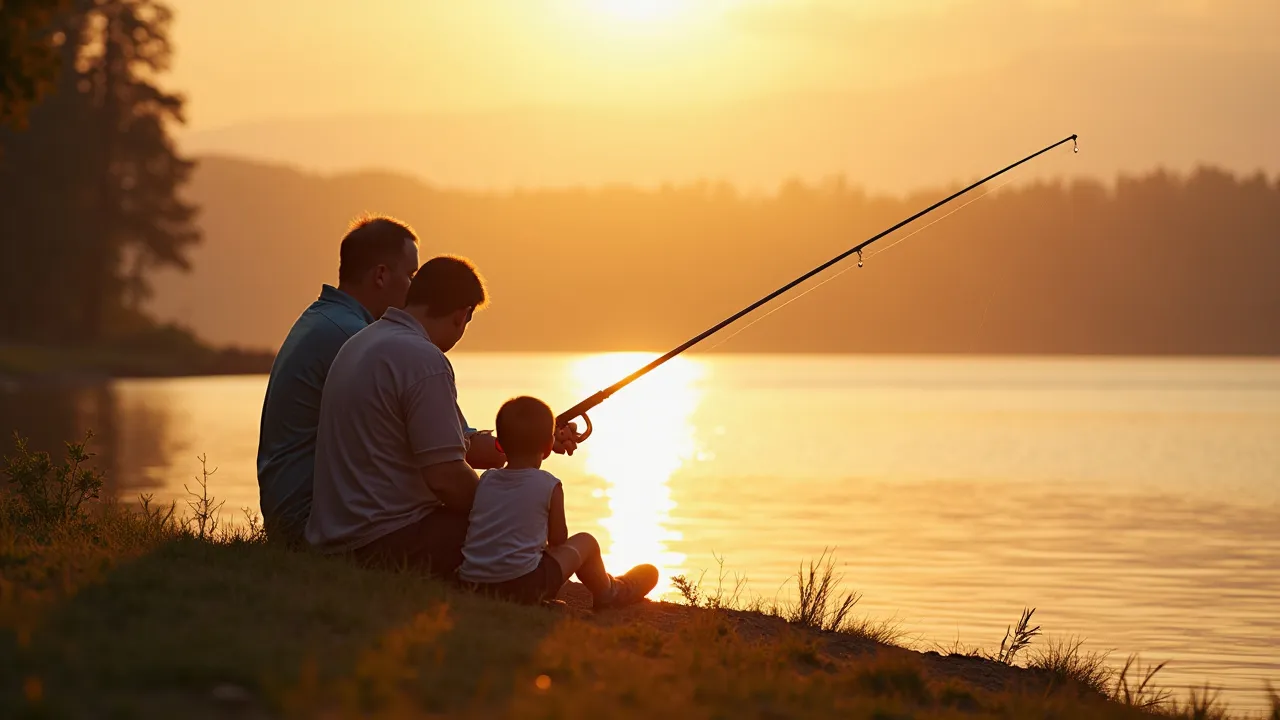
Celebrate National Go Fishing Day on June 18th, a day dedicated to the joy of fishing. Learn about its origins, how to participate, and the benefits of this timeless outdoor activity.
The Historical Origins & Evolutionary Journey of National Go Fishing Day
National Go Fishing Day, observed annually on June 18th, was established to celebrate the sport of fishing and to encourage people of all ages to experience the joys of angling. This section delves into the day's origins, legislative support, and its evolution into a global celebration.
The Foundational Catalyst
The push for a dedicated fishing day began in the early 2000s as the American Sportfishing Association (ASA) recognized a decline in fishing participation. The ASA, a trade association representing the fishing industry, sought to reverse this trend by creating a national day that would inspire both seasoned anglers and newcomers to pick up a rod and reel. The catalyst was a combination of declining license sales and a growing disconnect between people and outdoor activities. In response, the ASA launched a campaign in 2009 to establish "National Go Fishing Day" as a way to promote the sport's physical and mental benefits.
The Legislative & Official Adoption
Although National Go Fishing Day is not a federal holiday, it gained official recognition through proclamations at state and local levels. The ASA worked with governors and mayors across the United States to issue official declarations designating June 18th as a day to fish. In 2010, the first official celebrations took place in several states, with events such as free fishing clinics, derbies, and park fishing days. The day was later embraced by the Recreational Boating & Fishing Foundation and other organizations, further cementing its place on the national calendar.
Modern Global Legacy
Today, National Go Fishing Day has grown beyond US borders. While primarily an American observance, angling communities in Canada, Australia, and Europe have adopted June 18th as a day to encourage fishing. The day has also expanded to include digital participation, with social media campaigns like #GoFishingDay spreading worldwide. The ASA continues to promote the day annually, partnering with brands and influencers to reach new audiences. The legacy of the day lies in its success in boosting fishing participation: since its inception, fishing license sales have stabilized and even increased in some regions, and youth fishing programs have seen renewed interest.
How to Celebrate National Go Fishing Day
National Go Fishing Day is about getting outdoors and experiencing the thrill of the catch. Whether you're a beginner or a pro, here are actionable ways to celebrate.
For Individuals
- Host a Fishing Trip: Gather friends or family and head to a local lake, river, or coast. Many states offer free fishing days on June 18th, so no license is required.
- Try a New Technique: Experiment with fly fishing, ice fishing (in season), or saltwater angling. Use the day to step out of your comfort zone.
- Document Your Catch: Take photos and share on social media with #NationalGoFishingDay. Tag the ASA to join the national conversation.
For Schools & Youth Groups
- Educational Workshops: Partner with local bait shops or fishing clubs to teach kids about fish species, knot tying, and conservation.
- Fishing Derbies: Organize a friendly competition with categories like "largest fish" or "most creative lure." Provide prizes sponsored by local businesses.
For Organizations & Companies
Corporate teams can host team-building fishing events. Retailers can offer discounts on fishing gear. Nonprofits can host clean-up events along waterways, combining fishing with stewardship. The key is to make fishing accessible and fun for everyone.
The Environmental & Conservation Impact of Fishing
Fishing is not just recreation; it plays a significant role in conservation and environmental awareness. Anglers are often the first to notice changes in water quality and fish populations, making them vital citizen scientists.
Responsible Angling Practices
- Catch and Release: Properly handling fish maximizes survival rates. Use barbless hooks, wet hands, and minimize air exposure.
- Leave No Trace: Pack out all trash, including fishing line and hooks, which harm wildlife.
- Obey Regulations: Follow size and bag limits to ensure sustainable fish stocks.
Fishing as a Conservation Tool
License fees and excise taxes on fishing equipment fund state wildlife agencies through the Federal Aid in Sport Fish Restoration Act. Since its inception, this program has generated billions of dollars for habitat restoration, fish hatcheries, and public access projects. National Go Fishing Day highlights how anglers contribute directly to conservation.
Health Benefits of Fishing: Physical & Mental Well-being
Fishing offers a unique combination of physical activity and mental relaxation. Studies show that spending time near water reduces stress, lowers cortisol levels, and improves mood.
Physical Benefits
- Low-Impact Exercise: Walking along shorelines, casting, and reeling engage core muscles and improve cardiovascular health.
- Vitamin D Exposure: Sunlight boosts vitamin D levels, essential for bone health and immunity.
Mental Benefits
- Mindfulness: The rhythmic act of casting and waiting encourages presence and reduces anxiety.
- Social Connection: Fishing trips strengthen bonds with family and friends, combating loneliness.
National Go Fishing Day promotes these benefits, urging people to unplug and reconnect with nature.
Economic Significance of the Fishing Industry
The fishing industry is a multi-billion-dollar economic engine. In the United States alone, recreational fishing generates over $50 billion annually in economic output and supports more than 800,000 jobs.
Market Segments
- Tackle and Equipment: Rods, reels, lures, and apparel represent a $5 billion market.
- Travel and Tourism: Fishing destinations attract tourists who spend on lodging, fuel, and guides.
- License Sales: State agencies collect hundreds of millions from fishing licenses, directly funding conservation.
Global Reach
Countries like Japan, Norway, and Australia have thriving fishing tourism industries. National Go Fishing Day boosts local economies by encouraging participation and spending.
Future of Fishing: Trends & Sustainability
As fishing evolves, new trends are shaping the sport. Sustainable practices, technological innovations, and inclusivity are key themes for the future.
Technological Innovations
- Smart Fishing Gear: Fish finders, GPS-enabled rods, and app-based catch logs are making fishing more accessible.
- Virtual Reality: Simulation games allow beginners to practice casting indoors.
Sustainability Initiatives
- Artificial Reefs: Old boats and structures are sunk to create fish habitats.
- Plastic-Free Tackle: Biodegradable lures and lead-free weights reduce pollution.
Inclusivity
Organizations like the ASA are working to diversify anglers through programs for women, minorities, and people with disabilities. National Go Fishing Day serves as a platform to promote equal access to fishing.
Historical Timeline
The American Sportfishing Association begins campaigning for a national day to promote fishing, citing declining participation rates.
First official National Go Fishing Day celebrations held on June 18th in several U.S. states, with free fishing clinics and derbies.
The Recreational Boating & Fishing Foundation partners with ASA to expand National Go Fishing Day events, reaching over 100 locations.
Social media campaign #GoFishingDay goes viral, with over 50,000 posts on Instagram alone.
Congressional resolution recognizes June 18th as National Go Fishing Day, encouraging federal agencies to support events.
During the pandemic, fishing participation soars by 20%, and National Go Fishing Day sees record turnout as people seek safe outdoor activities.
ASA reports that fishing license sales have increased 15% since the day's inception, with youth participation up 25%.