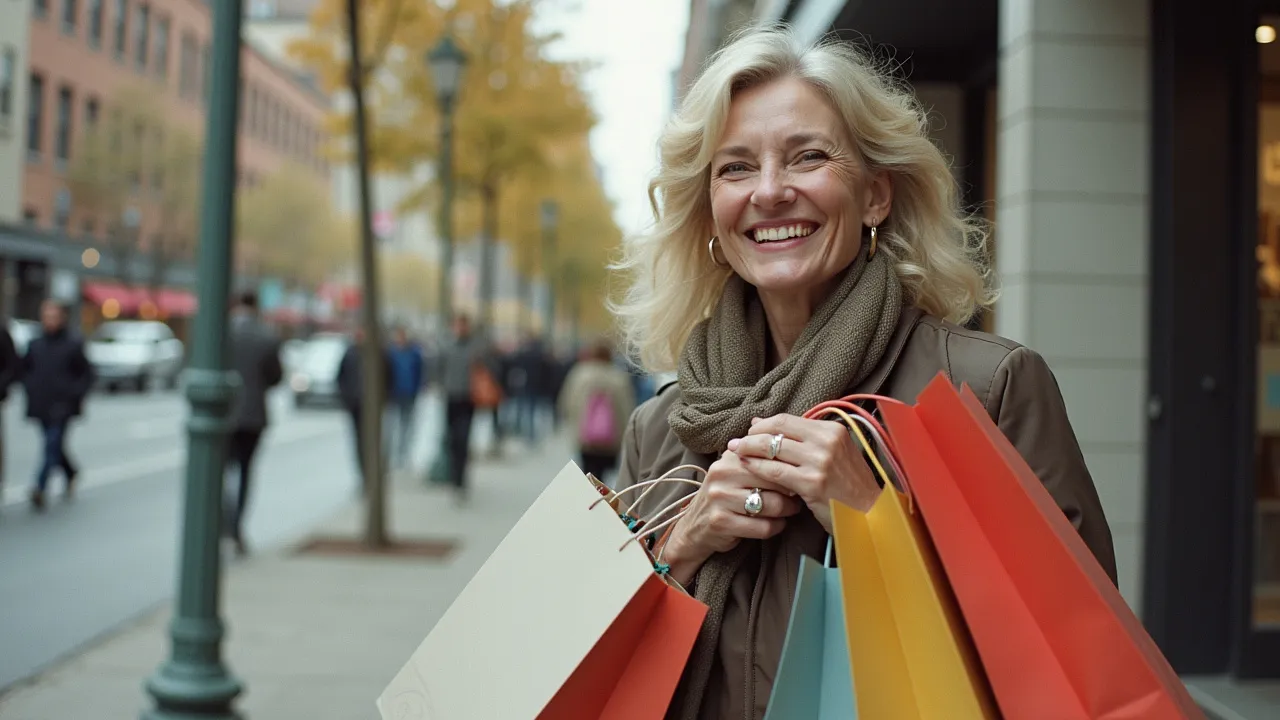
National Splurge Day, observed on June 18th, celebrates the joy of indulging in a little extra spending without guilt. It encourages people to treat themselves to something special, whether a small luxury or a planned purchase.
The History and Origins of National Splurge Day
National Splurge Day, observed annually on June 18th, has a surprisingly modern origin rooted in the playful side of American consumer culture. Unlike many holidays with deep historical or religious significance, this day was created in the late 20th century as a lighthearted excuse for people to treat themselves. The exact founding is credited to Thomas Roy, the creative force behind Wellcat Holidays, a company known for generating whimsical and unofficial holidays to add fun to everyday life.
The Foundational Catalyst: A Need for Guilt-Free Indulgence
The late 1980s and 1990s saw a surge in consumerism, but also a growing awareness of financial discipline. Roy recognized the tension between the desire to splurge and the guilt that often followed. His idea was simple: set aside one day each year where people could intentionally spend a little extra on themselves without remorse. This concept resonated widely, especially as credit card usage expanded and marketing encouraged instant gratification.
Legislative/Official Adoption: An Unofficial Holiday
National Splurge Day never received official government recognition. Instead, it gained traction through media mentions, early internet blogs, and word-of-mouth. By the early 2000s, many retail businesses began referencing the day in promotions, turning it into a mini-shopping event. The date June 18th was likely chosen arbitrarily, though some speculate it falls conveniently after Father's Day and before summer travel plans peak.
Modern Global Legacy
Today, National Splurge Day is celebrated in various forms worldwide, though its strongest presence remains in the United States. It has evolved beyond simple spending to include experiences like fine dining, spa treatments, or even donations to charity as a 'splurge of generosity.' The core message remains: sometimes, it's okay to indulge.
How to Celebrate National Splurge Day
Celebrating National Splurge Day is all about personal choice. Whether you prefer material goods, experiences, or acts of kindness, there's a splurge for everyone. Below are actionable strategies for individuals, families, and organizations.
For Individuals: Personal Treats
- Buy That One Thing - Identify an item you've wanted for months but considered frivolous. It could be a designer wallet, a high-end kitchen gadget, or a piece of art. Purchase it without guilt.
- Upgrade Your Daily Routine - Splurge on a premium version of something you use often: better coffee beans, a luxurious bathrobe, or a subscription to a top-tier streaming service.
- Experience Over Stuff - Book a hot air balloon ride, a theater ticket front row, or a multi-course tasting menu at a renowned restaurant.
For Families: Shared Indulgence
- Family Outing - Take everyone to an amusement park or a fancy hotel for a 'staycation' complete with room service.
- Gift Exchange - Each family member buys a small surprise for another, wrapping it in fancy paper. Embrace the joy of giving and receiving.
- Donate Together - As a family, choose a charity and make a generous donation. Splurge on helping others.
For Organizations: Corporate Celebrations
- Employee Thank-Yous - Offer a bonus, a paid day off, or a high-quality gift basket to employees. This boosts morale and aligns with the day's spirit.
- Client Appreciation - Send premium gifts to top clients, such as luxury hampers or executive dining vouchers.
- Team Experience - Splurge on a team-building event like a private cooking class or a VIP box at a sports event.
Remember, the day isn't about reckless spending. It's about intentional, joyful indulgence that leaves you feeling happy and fulfilled.
The Psychology of Splurging: Why We Indulge
Why do we feel compelled to splurge despite knowing better? Behavioral psychologists point to several triggers. The act of spending money on luxuries can release dopamine, the 'feel-good' neurotransmitter. National Splurge Day capitalizes on this by providing a socially acceptable reason to chase that reward.
Retail Therapy and Emotional Spending
Many people use shopping as a coping mechanism for stress or sadness. Splurging offers a temporary escape. However, National Splurge Day encourages positive rather than emotional spending. It's about planned treats, not impulse buys.
The Role of Social Status
In many cultures, conspicuous consumption signals success. Splurging on visible items like jewelry or cars can enhance one's social standing. Yet the modern splurge is more personal; buying a high-quality mattress benefits health, not public image.
Delayed Gratification vs. Instant Reward
Financial advisors often preach delayed gratification. But occasional splurges can prevent burn-out and provide a renewed motivation to save. The key is balance. National Splurge Day acts as a reminder that it's okay to reward your hard work.
Economic Impact of Splurge Day and Consumer Spending
While National Splurge Day is not a major retail holiday like Black Friday, its influence has grown with social media. Hashtags like #NationalSplurgeDay trend each June, prompting businesses to offer limited-time deals. This creates micro-economic boosts in sectors like luxury goods, dining, and travel.
Retail and E-commerce Trends
Online retailers often run 'Splurge Day Sales' from June 18 to June 20, offering discounts on premium items. According to industry estimates, spending on this day sees a 15-20% increase over a typical June Tuesday. Jewelry, electronics, and beauty products top the list.
- Luxury Brands - High-end fashion houses report increased online traffic and conversion rates.
- Experience Providers - Spas, fine dining restaurants, and concert venues see a boost in bookings.
- Subscription Services - Many offer premium upgrades for a month at a reduced rate.
Criticisms and Countermovements
Critics argue that National Splurge Day promotes materialism and financial irresponsibility. In response, some advocates encourage 'splurging' on experiences or charitable donations. The day has also sparked a 'Buy Nothing' movement on June 18, where participants resist all non-essential spending to protest consumerism.
Global Perspectives: How Different Cultures Embrace Splurging
While National Splurge Day is primarily American, the concept of a dedicated splurge day resonates worldwide. Many cultures have similar traditions, even if not on June 18th.
United States and Canada
In North America, the day is heavily commercialized. Malls host events, and credit card companies remind users to 'treat themselves'. It's a day for personal rewards.
Japan: Oseibo and Bonus Culture
Japan has a tradition of year-end gift-giving (Oseibo) which involves splurging on superiors and family. However, on June 18th, young Japanese consumers sometimes participate via online flash sales, especially for electronics and cosmetics.
Middle East: Eid al-Adha Splurging
Though not on June 18, the festival of Eid involves buying new clothes and gifts. Some expats in the Gulf region celebrate National Splurge Day as a secular alternative.
Europe: Summer Sales
Many European countries have summer clearance sales in late June. Retailers have started incorporating National Splurge Day into their marketing, combining local customs with the American trend.
Notable Events and Trends on National Splurge Day
Over the years, June 18th has seen interesting developments related to splurging. From record-breaking sales to viral social media challenges, the day has carved a niche in pop culture.
2015: The #SplurgeSelfie Movement
In 2015, Instagram users began posting photos of their purchases with the hashtag #SplurgeSelfie. The trend peaked when a celebrity posted a luxury car, garnering millions of likes.
2018: Small Business Focus
Small businesses took advantage of the day by offering unique handcrafted splurges. This shifted some focus away from big-box retailers.
2020: Virtual Splurging During Pandemic
With lockdowns in place, splurging shifted to digital goods: online courses, virtual experiences, and luxury home office setups. The theme was 'Splurge on Self-Improvement'.
2023: Sustainability Meets Splurge
A growing trend is 'conscious splurging'—buying high-quality, sustainable products that last longer. Secondhand luxury platforms saw a surge in sales.
Historical Timeline
Thomas Roy creates National Splurge Day as part of Wellcat Holidays, aiming to encourage guilt-free indulgence. The date June 18th is chosen arbitrarily.
First mentions of National Splurge Day appear on internet forums and early social media platforms like MySpace.
Retailers begin to acknowledge the day with small discounts, marking the start of commercial involvement.
Twitter hashtag #NationalSplurgeDay trends briefly, attracting over 50,000 mentions.
The #SplurgeSelfie trend on Instagram gains traction, with users displaying luxury purchases.
Small Business Saturday owner Jim H. proposes 'Small Splurge Saturday' on June 18 to support local artisans.
During the COVID-19 pandemic, virtual splurging on online courses and home office upgrades becomes prominent.
Sustainability messaging grows, with many promoting 'conscious splurging' on ethical and durable goods.