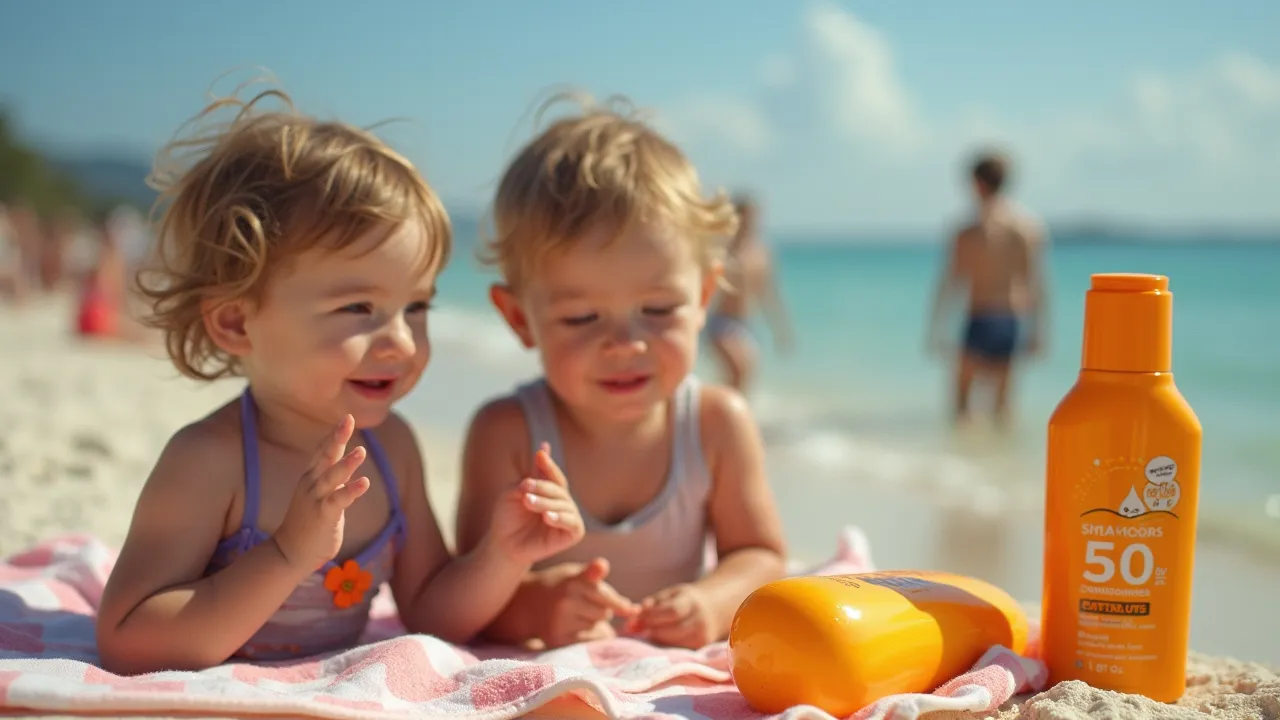
Sun Screen Day, observed on May 27th, raises awareness about the critical importance of sunscreen in preventing skin cancer and premature aging. This day promotes sun-safe habits and educates on proper SPF use worldwide.
The Historical Origins & Evolutionary Journey of Sun Screen Day
Sun Screen Day, observed annually on May 27th, traces its roots to the growing recognition of ultraviolet (UV) radiation as a major health hazard. The day was established to combat rising skin cancer rates and promote preventive sun protection behaviors.
The Foundational Catalyst
Early sunscreens emerged in the 1930s, but widespread public awareness didn't occur until the late 20th century. In 1996, the American Academy of Dermatology (AAD) designated May 27 as National Sunscreen Day to coincide with the start of summer. This date was chosen strategically—just before Memorial Day weekend in the United States, when outdoor activities surge.
Legislative & Official Adoption
Over time, the observance gained global traction. By the 2000s, cancer organizations in Australia, Europe, and Asia adopted similar days, often aligning them with regional summer peaks. In 2016, the World Health Organization (WHO) endorsed the concept, integrating it into broader skin cancer prevention campaigns.
Modern Global Legacy
Today, Sun Screen Day is not just a US event. It is recognized by dermatological societies in over 40 countries. Social media campaigns like #SunScreenDay and #SPFEveryday have amplified its reach, encouraging influencers and healthcare providers to share evidence-based tips. The day now includes free skin cancer screenings, sunscreen donation drives, and educational workshops in schools and workplaces.
- Key milestones: 1938 – first commercial sunscreen (Gletscher Crème)
- 1978 – SPF rating introduced
- 1996 – first Sun Screen Day
- 2011 – FDA updates sunscreen regulations
How to Celebrate Sun Screen Day
Sun Screen Day is both a personal and community-driven observance. Here are actionable ways to participate, whether you're an individual, a school, or a corporation.
For Individuals
- Apply Sunscreen Correctly: Use SPF 30+ broad-spectrum sunscreen. Apply 15 minutes before sun exposure, and reapply every 2 hours or after swimming/sweating. Use about a shot glass full for your body.
- Check Expiration Dates: Discard expired sunscreen—it loses efficacy.
- Educate Family: Teach children about sun safety using fun activities like drawing sun-safe scenes.
For Schools & Organizations
- Host a "Sun Safety Day" with interactive stations: UV bead crafts, SPF demonstration, and shade mapping.
- Invite a dermatologist for a Q&A session.
- Distribute free sunscreen samples at entrances.
Corporate & Social Rituals
Many companies offer sunscreen dispensers in break rooms, or host outdoor luncheons with shaded seating. On social media, post a photo of your sunscreen of choice with #SunScreenDay. Encourage employees to adopt sun-safe uniforms (e.g., wide-brimmed hats).
Global Traditions
- Australia: The "Slip! Slop! Slap! Seek! Slide!" campaign is heavily promoted during Sun Screen Day.
- Brazil: Beachfront kiosks offer free sunscreen samples and UV index updates.
- Japan: Schools include sun protection lessons in physical education.
The Science of Sunscreen: How It Works & What to Look For
Understanding sunscreen mechanisms empowers better choices. Sunscreens combine chemical absorbers (e.g., oxybenzone) that convert UV to heat, and physical blockers (e.g., zinc oxide) that reflect UV. Broad-spectrum protection covers both UVA (aging) and UVB (burning) rays.
SPF Explained
SPF (Sun Protection Factor) measures UVB protection. SPF 15 blocks ~93% of UVB, SPF 30 blocks ~97%, SPF 50 blocks ~98%. No sunscreen blocks 100%. For daily use, SPF 30+ is recommended. Reapplication is key because sunscreen degrades.
Common Ingredients
- Zinc oxide & titanium dioxide: Physical sunscreens, safe for sensitive skin.
- Avobenzone: Chemical UVA filter, often paired with octocrylene for stability.
- Oxybenzone: Controversial due to coral reef toxicity; some regions (e.g., Hawaii) ban it.
Reef-Safe Alternatives
Many brands now offer non-nano mineral sunscreens labeled "reef-safe." Always check ingredient lists—avoid oxybenzone and octinoxate to protect marine ecosystems.
Global Impact of Sun Protection: Reducing Skin Cancer Burden
Skin cancer is the most common cancer worldwide. Sun Screen Day directly addresses this by promoting regular sunscreen use, which studies show reduces melanoma risk by up to 50%.
Global Statistics
- 1 in 5 Americans will develop skin cancer by age 70.
- Australia has the highest melanoma rate—regular sunscreen use has plateaued rates.
- In Europe, UV index awareness campaigns have reduced sunburn incidents by 20%.
Economic and Social Impact
Treating skin cancer costs billions annually. Sun protection is cost-effective prevention. In low-resource settings, sunscreen distribution and education are critical. Organizations like the WHO's UV index initiative help communities plan outdoor activities safely.
Policy Shifts
Countries like the Philippines now mandate sunscreen in schools during outdoor events. The EU restricts high-SPF claims to prevent false security. Sun Screen Day amplifies these policy discussions.
Debunking Sunscreen Myths & Misconceptions
Misinformation about sunscreen is rampant. Sun Screen Day serves as a platform to correct false beliefs with evidence.
Myth 1: "I don't need sunscreen on cloudy days."
Fact: Up to 80% of UV rays penetrate clouds. Sunscreen is essential year-round.
Myth 2: "Higher SPF means I can stay out longer."
Fact: SPF 50+ offers marginally more protection than SPF 30. No sunscreen lasts all day—reapply every 2 hours.
Myth 3: "Dark skin doesn't need sunscreen."
Fact: While melanin provides some protection, all skin types can develop skin cancer. People with darker skin are often diagnosed later, with worse outcomes.
Myth 4: "Sunscreen is toxic."
Fact: The FDA and dermatologists confirm that approved sunscreens are safe for human use. Concerns about systemic absorption are not linked to adverse health effects.
- Bottom line: Benefits of sunscreen far outweigh theoretical risks. Use it daily.
Future of Sun Safety: Innovations & Trends
The sunscreen industry is evolving rapidly. Sun Screen Day highlights emerging technologies and changing consumer behaviors.
New Formulations
- Eco-friendly packaging: Biodegradable tubes and refillable containers reduce plastic waste.
- Wearable sensors: Devices like L'Oréal's My UV Patch monitor UV exposure and sync with smartphone apps.
- Oral sunscreens: Supplements with fern extracts (e.g., Polypodium leucotomos) provide additional antioxidant protection, but don't replace topical SPF.
Policy Directions
The FDA is updating sunscreen ingredient rules to include new UV filters. The EU is banning certain chemical filters to protect reefs. Sun Screen Day advocacy pushes for wider access in underserved communities.
Behavioral Trends
Millennials and Gen Z are driving demand for "clean" sunscreens with minimalist ingredients. Subscription services for sunscreen are also rising. Social media influencers now partner with dermatologists to create evidence-based content.
Historical Timeline
Swiss chemist Franz Greiter creates the first commercial sunscreen, Gletscher Crème, after a sunburn on Mount Piz Buin.
The FDA establishes SPF (Sun Protection Factor) ratings, standardizing sunscreen effectiveness.
American Academy of Dermatology launches the first National Sunscreen Day on May 27.
Australia's 'Slip! Slop! Slap!' campaign becomes a global model for sun safety education.
FDA releases new sunscreen regulations requiring broad-spectrum testing and labeling.
Hawaii becomes the first US state to ban sunscreens containing oxybenzone and octinoxate to protect coral reefs.
WHO integrates Sun Screen Day into its global UV index awareness campaigns.
The EU updates its sunscreen safety guidelines, limiting claims of 'waterproof' and 'total block'.