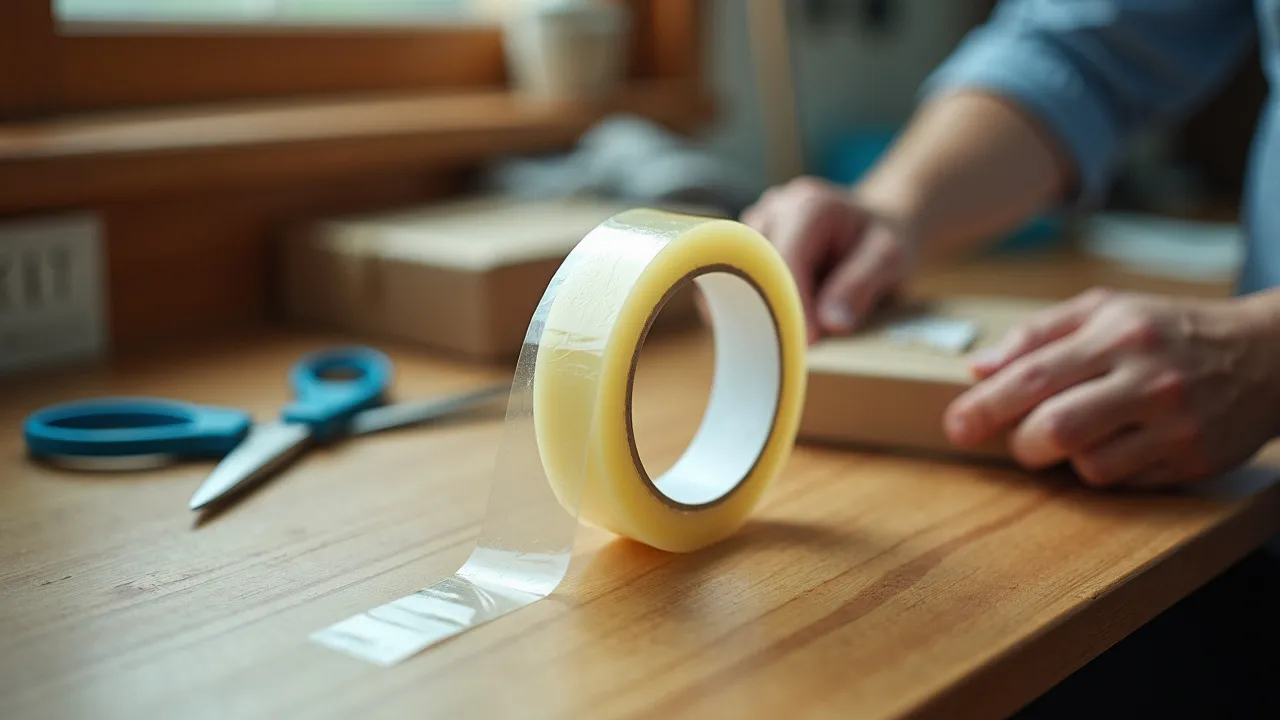
National Cellophane Tape Day on May 27th honors the invention of clear adhesive tape that revolutionized packaging and household repairs. Discover the history of Richard Drew's creation and creative ways to celebrate this sticky innovation.
The Historical Origins & Evolutionary Journey
The Foundational Catalyst: Richard Drew's Invention
On May 27, 1930, Richard Drew, a young engineer at 3M, filed a patent for the first transparent adhesive tape. This innovation emerged from a practical problem: auto painters needed a way to create clean two-tone paint jobs without bleeding. Drew's previous masking tape worked but wasn't clear. He developed a thin, waterproof cellophane backing coated with a pressure-sensitive adhesive. The result was Scotch Cellophane Tape, which quickly became a household staple during the Great Depression for repairing books, documents, and even clothing.
The Legislative/Official Adoption
Unlike many official holidays, National Cellophane Tape Day is an unofficial observance promoted by greeting card companies and 3M itself. It gained momentum in the 2000s through social media and "national day" calendars. The date was chosen to commemorate the filing of Drew's patent. Today, it is recognized by many calendar publishers and enjoys modest celebrations among DIY enthusiasts and office workers.
Modern Global Legacy
Cellophane tape evolved into countless variants: double-sided, matte, colored, and UV-resistant. The term "Scotch Tape" became genericized in many countries. In the 21st century, the day is used to encourage reducing plastic waste by promoting eco-friendly tape options. The spirit of innovation continues with biodegradable tapes and smart adhesives for electronics.
How to Celebrate National Cellophane Tape Day
This day is about appreciating the humble tape that holds our world together. Here are actionable ways to celebrate:
- Host a Tape Art Workshop: Use colored cellophane tapes to create mosaics or sculpture. Tape is a forgiving medium for all ages.
- Repair & Repurpose: Fix a torn book cover, seal an envelope, or mend a window screen. Celebrate by giving old items new life.
- Organize a Tape Drive: Collect rolls of tape for schools or offices in need. Many supply closets run low.
- Explore History: Visit the 3M Innovation Center (virtual or in person) to see prototypes of early tape.
- Share on Social Media: Post before/after tape repairs using #NationalCellophaneTapeDay.
- United States: Office parties with tape-themed games like "tape ball" and speed-wrapping contests.
- Japan: Known for kawaii washi tapes, but cellophane tape is used in intricate masking for calligraphy.
- Germany: Emphasizes practical repairs; many householders spend the day fixing household items with tape.
Global Celebrations
The Science Behind Adhesive Tape
How Pressure-Sensitive Adhesion Works
Cellophane tape uses a pressure-sensitive adhesive (PSA) that bonds when pressed. The adhesive is a viscoelastic material that flows into microscopically rough surfaces on paper, glass, or plastic. The key factors are tack (stickiness on contact) and shear strength (resistance to sliding).
Chemical Composition
Early tapes used rubber-based adhesives; modern ones use acrylic or silicone. The backing film is often biaxially oriented polypropylene (BOPP) or cellulose acetate. The balance between cohesion (internal strength) and adhesion determines performance.- Tackifiers: Resins added to enhance initial stickiness.
- Crosslinking: Some adhesives are chemically crosslinked to improve heat resistance.
- Release Coat: A thin layer on the back ensures the tape unwinds without sticking to itself.
Global Impact and Industry Transformations
The invention of cellophane tape transformed multiple industries.
Packaging and Shipping
The tape allowed for secure, transparent sealing that did not hide contents. This was vital for retail packaging, food storage, and later e-commerce fulfillment. By the 1960s, automated taping machines became standard in factories.Healthcare and Science
Medical tapes used in wound care derive from Drew's design. Clear tape is also used for slide mounting in microscopy and for securing cables in electronic devices. Today, the global adhesive tape market exceeds $50 billion annually.Cultural Significance and Nostalgia
Cellophane tape is a cultural icon of resourcefulness. In mid-20th century America, it was a symbol of postwar consumer culture and DIY ingenuity. It appears in art, as in the works of Robert Rauschenberg who incorporated tape into combine paintings.
In Popular Media
Films and cartoons often show characters using tape to fix objects in hilarious ways. The term "Scotch tape" is used generically, like "Kleenex" or "Xerox."Nostalgic Value
For many, the smell and feel of peeling tape evokes memories of wrapping presents or repairing school supplies. This sentimental value is leveraged in advertising campaigns each May.Innovations in Tape Technology
From cellophane to smart adhesives:
Eco-Friendly Developments
Biodegradable tapes made from plant-based materials (e.g., cellulose, lactic acid) are emerging to reduce microplastic pollution. Water-activated tape (gummed tape) is regaining popularity for its renewable source.Specialty Tapes
Electrically conductive tapes for repair of circuits, UV-curing tapes for glass bonding, and nanostructured adhesives that mimic gecko feet are at the forefront. These innovations keep the day relevant to science and engineering.- Double-sided tapes for automotive trim.
- Heat-resistant tapes for aerospace.
- Removable tapes for temporary mounting.
Environmental Considerations and Recycling
Cellophane tape poses challenges for recycling. Most tapes are not recyclable due to glue residue.
Best Practices
Use paper-based tapes for cardboard recycling. Remove tape from packaging before discarding. Some facilities accept tapes made with water-based adhesives.Consumer Choices
Look for FSC-certified or compostable tape options. On this day, advocates encourage buying eco-friendly brands and reducing single-use tape waste.- Reuse tape rolls for crafting after initial use.
- Opt for refillable dispensers.
- Support companies that use renewable adhesives.
Historical Timeline
Richard Drew files a patent for the first transparent cellophane adhesive tape, which later becomes known as Scotch Tape.
3M begins mass production of Scotch Cellophane Tape after successful market testing, with the first roll sold for 65 cents.
World War II drives demand for tape in packaging military supplies; production skyrockets and tape becomes a household essential.
3M introduces the first automatic tape dispenser with a cutting blade, making tape use more convenient for offices.
Color cellophane tapes appear for decorative purposes; tapes also become used in the rising hobby of scrapbooking.
Double-sided and matte finish tapes are developed for mounting and invisible repair, expanding applications.
The first biodegradable tape prototypes emerge from research into renewable adhesives, addressing environmental concerns.
National Cellophane Tape Day gains traction on social media, with hashtags and promotions from craft brands.
3M announces a commitment to produce all tapes with 30% recycled content by 2030, highlighting sustainability.