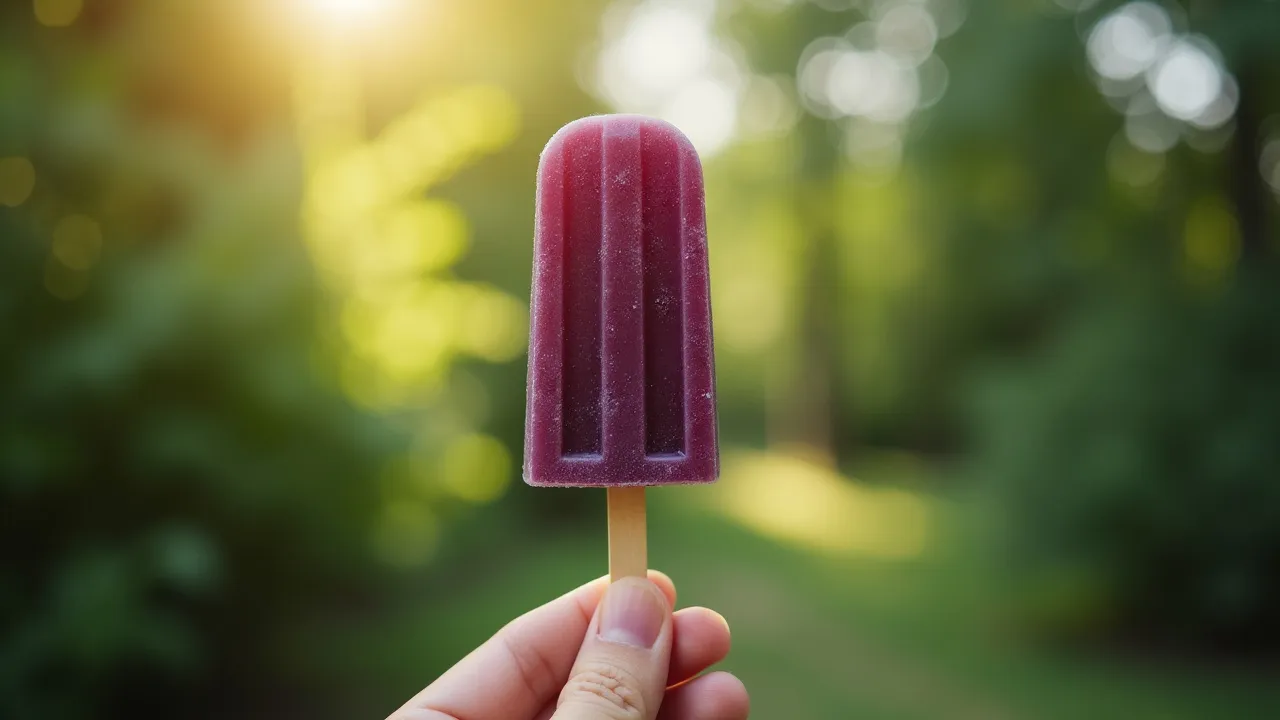
National Grape Popsicle Day, observed on May 27th, celebrates the refreshing grape-flavored ice pop. It's a day to indulge in this nostalgic treat and explore its history and variations.
The Historical Origins & Evolutionary Journey
National Grape Popsicle Day, observed annually on May 27th, honors one of the most iconic frozen treats in the world: the grape popsicle. This day is not just about enjoying a cold snack; it's a celebration of innovation, nostalgia, and cultural impact.
The Invention of the Popsicle
The story of the popsicle begins in 1905 when 11-year-old Frank Epperson accidentally left a cup of powdered soda and water with a stirring stick outside overnight in San Francisco. The mixture froze, creating the first ice pop. Epperson called it the "Epsicle." He patented the invention in 1924 and later sold the rights to the Joe Lowe Company, which marketed it under the name "Popsicle." The original flavors included lemon, orange, and grape—grape quickly becoming a fan favorite due to its vibrant color and sweet taste.
Grape Flavoring and Cultural Significance
Grape flavoring, often derived from artificial compounds like methyl anthranilate, became synonymous with childhood memories and summer treats. By the mid-20th century, grape popsicles were a staple in grocery stores and ice cream trucks across the United States. The flavor's popularity spurred the creation of National Grape Popsicle Day, likely in the early 2000s, as part of a broader trend of food holiday celebrations.
The Creation of National Grape Popsicle Day
While the exact origin of National Grape Popsicle Day is unclear, it is believed to have been established by food enthusiasts and the National Day Calendar to honor this beloved flavor. The date May 27th was chosen to kick off the summer season, when popsicle consumption peaks. Since then, the day has grown in popularity through social media and food blogs, encouraging people to share their homemade creations and favorite brands.
How to Celebrate National Grape Popsicle Day
Celebrating National Grape Popsicle Day on May 27th can be as simple or elaborate as you like. Here are some actionable strategies for individuals, schools, and organizations:
Classic Home Preparation
- Basic Grape Popsicles: Mix 2 cups of grape juice (or 100% grape juice concentrate) with 1 cup of water and a tablespoon of sugar if desired. Pour into molds with sticks and freeze for at least 6 hours.
- Creamy Grape Popsicles: Blend 2 cups of Greek yogurt, 1 cup of grape juice, and 2 tablespoons of honey. Freeze in molds for a creamy texture.
- Layered Grape Popsicles: Create layers by freezing grape juice and a dairy-free milk alternative alternately, allowing each layer to firm up before adding the next.
Creative Flavor Combinations
- Add chunks of fresh grapes or berries to the mix for texture.
- Mix grape juice with other fruit juices like orange, lemon, or apple for a tangy twist.
- Incorporate herbs like mint or basil for a sophisticated flavor profile.
Community Events and Social Media
- Host a popsicle-making party with friends and family, and encourage everyone to bring their own grape-based recipe.
- Share photos of your grape popsicles on social media using hashtags like #NationalGrapePopsicleDay and #GrapePopsicleDay.
- Support local ice cream shops by buying their grape popsicles and leaving positive reviews.
Schools can organize educational lessons about the science of freezing and the history of frozen treats, while companies can offer grape popsicles to employees as a summer treat.
Global Variations and Regional Traditions
While National Grape Popsicle Day is primarily observed in the United States on May 27th, grape-flavored frozen treats are enjoyed worldwide with unique twists.
Mexico: Paletas de Uva
In Mexico, paletas are made with fresh fruit puree, including grape. These are often prepared with chunks of fruit and a hint of chili powder for a spicy-sweet balance. Paleterias (ice pop shops) are ubiquitous, especially during summer.
United Kingdom: Grape Ice Lollies
In the UK, grape ice lollies are commonly sold as "double lollies"—two sticks sharing one mold. Brands like Fab and Mini Milk offer grape varieties, often with a sugary coating.
Australia: Grape Frosty Fruits
Australians enjoy grape-flavored Frosty Fruits, which are often made with real fruit juice. They are a popular snack for children's parties and beach outings.
Japan: Grape Kakigori
In Japan, kakigori (shaved ice) is flavored with sweet grape syrup and often topped with condensed milk and mochi. Grape-flavored ice pops are also found in convenience stores.
These regional variations highlight the universal appeal of grape-flavored frozen treats, adapted to local tastes and ingredients.
Health Considerations and Nutritional Profile
Grape popsicles can be a refreshing treat, but it's important to consider their nutritional impact.
Sugar Content
Many commercial grape popsicles contain high amounts of added sugar. A typical store-bought popsicle may have 15-20 grams of sugar per serving. Homemade versions allow you to control sweetness by using unsweetened grape juice or natural sweeteners like stevia.
Artificial vs. Natural Flavors
Artificial grape flavor, often derived from methyl anthranilate, is common in mass-produced popsicles. While considered safe, some prefer natural grape juice for a more authentic taste and potential antioxidants.
Calorie Count
On average, a grape popsicle contains 50-100 calories, making it a low-calorie dessert option when eaten in moderation. For a healthier alternative, consider using low-sugar or sugar-free recipes.
Allergen Information
Most grape popsicles are gluten-free, dairy-free (unless made with yogurt), and nut-free, but always check labels for cross-contamination. Homemade versions ensure dietary safety.
Enjoying grape popsicles as part of a balanced diet is perfectly fine, especially when homemade with whole ingredients.
The Economic and Cultural Impact of Grape Popsicles
Grape popsicles are more than just a summer treat; they represent a multi-billion dollar frozen novelty industry.
Market Trends
The global ice pop market was valued at over $2.5 billion in 2023, with fruit flavors like grape accounting for a significant share. Grape remains one of the top three flavors in the United States, alongside orange and cherry.
Nostalgia Marketing
Brands often leverage nostalgia by re-releasing retro packaging or classic flavor combinations. Grape popsicles are a staple in ice cream trucks, evoking childhood memories of summer afternoons.
Seasonal Sales
Popsicle sales peak from May to August, and National Grape Popsicle Day on May 27th serves as a promotional event for manufacturers and retailers. Social media campaigns boost visibility and drive sales.
Cultural Icons
The grape popsicle has appeared in films, TV shows, and literature as a symbol of innocence and summer fun. It is often featured in advertising for ice cream and frozen treats.
Celebrating this day supports local businesses and highlights the enduring appeal of a simple yet beloved invention.
Historical Timeline
Frank Epperson accidentally invents the first ice pop by leaving a cup of soda with a stirring stick outside overnight in San Francisco, California. He calls it the 'Epsicle'.
Epperson patents the 'Epsicle' and later sells the rights to the Joe Lowe Company, which markets it under the name 'Popsicle'. Grape is among the original flavors.
Grape popsicles become a staple in American households and ice cream trucks, with artificial grape flavoring becoming iconic.
National Grape Popsicle Day is established, possibly by the National Day Calendar, to honor the grape flavor. The date May 27th is chosen to kick off summer.
Social media platforms like Instagram and Facebook popularize the day with hashtags like #NationalGrapePopsicleDay, encouraging homemade popsicle sharing.
The day gains international recognition, with brands launching limited-edition grape popsicles and health-conscious versions using natural juices and low sugar.