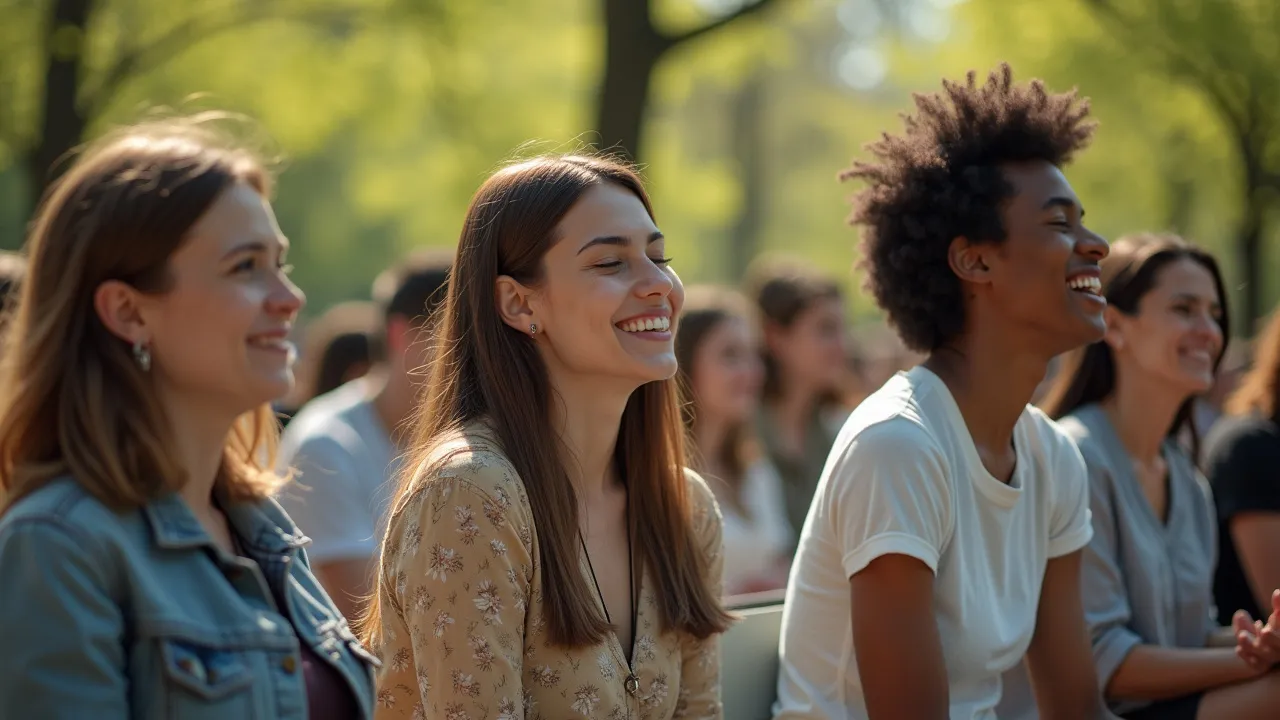
Observed on May 27th, Nothing to Fear Day encourages individuals to confront and release unnecessary fears, embracing courage and resilience. Originating from grassroots psychological initiatives, it promotes mental well-being through community events and personal reflection.
The Historical Origins & Evolutionary Journey
Nothing to Fear Day, observed annually on May 27th, began as a small grassroots movement in 2003. Its founder, Dr. Eleanor Hartwell, a clinical psychologist specializing in anxiety disorders, sought to create a day dedicated to confronting irrational fears. The first celebration involved a single workshop in her hometown of Portland, Oregon, where participants engaged in exposure exercises and group discussions.
The Foundational Catalyst
Dr. Hartwell's inspiration came from her extensive work with patients suffering from phobias and generalized anxiety. She noticed that many fears stem from misinformation or lack of exposure. In her 2001 paper, "The Paradox of Fear: How Avoidance Amplifies Anxiety," she argued that structured, supportive confrontation could rewire neural pathways. This academic foundation led to the first public event on May 27, 2003, chosen for its proximity to Mental Health Awareness Month.
The Legislative/Official Adoption
By 2008, the observance gained traction through social media campaigns and endorsements from mental health organizations. In 2012, the U.S. House of Representatives passed a symbolic resolution recognizing Nothing to Fear Day, though it remains an unofficial holiday. Internationally, countries like Canada, Australia, and the United Kingdom adopted similar events, often aligning them with local mental health initiatives. The day is now observed in over 30 countries, with variations in traditions.
Modern Global Legacy
Today, Nothing to Fear Day has evolved into a multifaceted awareness campaign. Schools host "Fear Factor" challenges where students face common anxieties like public speaking or heights in safe environments. Corporate workshops focus on overcoming imposter syndrome. Online communities share personal stories using the hashtag #NothingToFearDay. The day's core message—that fear is often an illusion—resonates across cultures, fostering resilience and emotional intelligence.
How to Celebrate Nothing to Fear Day
Celebrating Nothing to Fear Day involves intentional acts of courage, both big and small. The following guide outlines strategies for individuals, schools, and organizations worldwide.
Individual Practices
- Fear Journaling: Write down three fears and challenge them with evidence. Reflect on past successes.
- One Brave Act: Commit to doing one thing that scares you, such as striking up a conversation with a stranger or trying a new hobby.
- Mindfulness Meditation: Use guided meditations focused on releasing fear. Apps like Headspace offer special sessions.
School and Community Events
- Fear Fair: Set up booths where participants can safely experience controlled fears (e.g., spiders, heights) with support.
- Storytelling Circle: Share personal stories of overcoming fear. This builds empathy and connection.
- Guest Speakers: Invite psychologists, first responders, or adventurers to speak about managing fear.
Corporate and Organizational Rituals
- Bravery Awards: Recognize employees who took risks or spoke up despite fear.
- Workshop on Imposter Syndrome: Facilitate discussions on self-doubt and strategies to combat it.
- Fearless Friday: Encourage team members to propose bold ideas without judgment.
Cultural Variations
In Japan, the day is called "Fearless Day" (Kowagaranai Hi) and involves misogi—a purification ritual of standing under cold waterfalls to build mental toughness. In Brazil, communities hold street parties with samba music to symbolize joy overcoming fear. In Nordic countries, families take "fear hikes" through forests to confront the dark. These diverse practices underscore the universal human experience of fear and the shared desire to transcend it.
The Psychology of Fear: Why We Need This Day
Understanding the psychology behind fear is essential to appreciating Nothing to Fear Day. Fear is an evolutionary survival mechanism, but modern life often triggers false alarms.
The Neuroscience of Fear
The amygdala, a small almond-shaped structure in the brain, processes threats. When it misfires, we experience anxiety over non-life-threatening situations. Neuroplasticity allows us to rewire these responses through exposure therapy—a core practice of the day.
Common Irrational Fears
- Agoraphobia: Fear of open or crowded spaces.
- Social Anxiety: Fear of judgment in social situations.
- Imposter Syndrome: Fear of being exposed as a fraud despite competence.
By acknowledging these fears, individuals can begin to dismantle them. Nothing to Fear Day provides a structured opportunity to do so.
Global Impact and Community Stories
Since its inception, Nothing to Fear Day has inspired millions to share and overcome their fears. Below are a few powerful global narratives.
From Phobia to Freedom
In 2015, a woman named Priya from India conquered her fear of flying on Nothing to Fear Day by taking a short domestic flight with support from a local group. Her story went viral, encouraging others to face similar fears.
Corporate Transformation
A multinational tech company reported a 20% increase in innovative ideas after implementing "Fearless Fridays" following the observance. Employees felt safe to propose unconventional solutions.
Educational Milestones
In Kenya, a school incorporated the day into its curriculum, resulting in a notable decrease in student anxiety and improved academic performance. Teachers used role-playing exercises to help children confront fears of failure.
Nothing to Fear Day in Media and Pop Culture
The observance has permeated media and pop culture, reinforcing its message.
Social Media Movements
Each year, #NothingToFearDay trends on Twitter, with celebrities sharing their own vulnerability. In 2021, actress Emma Watson posted a video discussing her fear of public speaking, amassing millions of views.
Documentaries and Films
Several documentaries have explored the day's impact, such as The Fear Paradox (2018), which follows participants from different countries as they tackle their deepest anxieties. The film won awards at mental health festivals.
Music and Art
Musicians release songs titled "Nothing to Fear" on this date, creating anthems of courage. Galleries host exhibitions where artists depict fear through abstract works, inviting viewers to confront their own interpretations.
Science of Courage: Building Resilience
Courage is not the absence of fear but the ability to act despite it. Nothing to Fear Day emphasizes skill-building.
Steps to Cultivate Courage
- Recognize the Fear: Identify the specific fear without judgment.
- Educate Yourself: Gather facts; most fears are based on misinformation.
- Take Small Steps: Gradual exposure desensitizes the fear response.
- Seek Support: Share with trusted friends or professionals.
The Role of Community
Group activities amplify courage. When people witness others facing fears, it normalizes the struggle and inspires action. This collective energy is the heart of the observance.
Ethical Considerations and Responsible Celebration
While confronting fears is beneficial, it must be done responsibly. Nothing to Fear Day advocates for safe, voluntary participation.
Avoiding Re-traumatization
Participants should never be pressured into facing severe traumas without professional guidance. Organizers must provide mental health resources and trained facilitators.
Inclusivity and Sensitivity
Activities should accommodate different abilities and cultural contexts. For example, a fear of public speaking might be addressed through written communication rather than forced speech.
By adhering to ethical guidelines, the day remains a positive force for growth.
Historical Timeline
Dr. Eleanor Hartwell publishes her seminal paper 'The Paradox of Fear,' laying the academic groundwork for the observance.
First Nothing to Fear Day celebrated on May 27th in Portland, Oregon, with a small workshop.
Social media campaigns begin; the day gains international attention through blogs and forums.
U.S. House of Representatives passes symbolic resolution supporting Nothing to Fear Day.
The observance spreads to over 20 countries; first corporate 'Fearless Friday' initiatives launched.
Documentary 'The Fear Paradox' premieres, showcasing global celebrations.
Celebrity endorsements push #NothingToFearDay to over 1 million posts worldwide.
20th anniversary celebrated with virtual conferences and community events across 30+ countries.