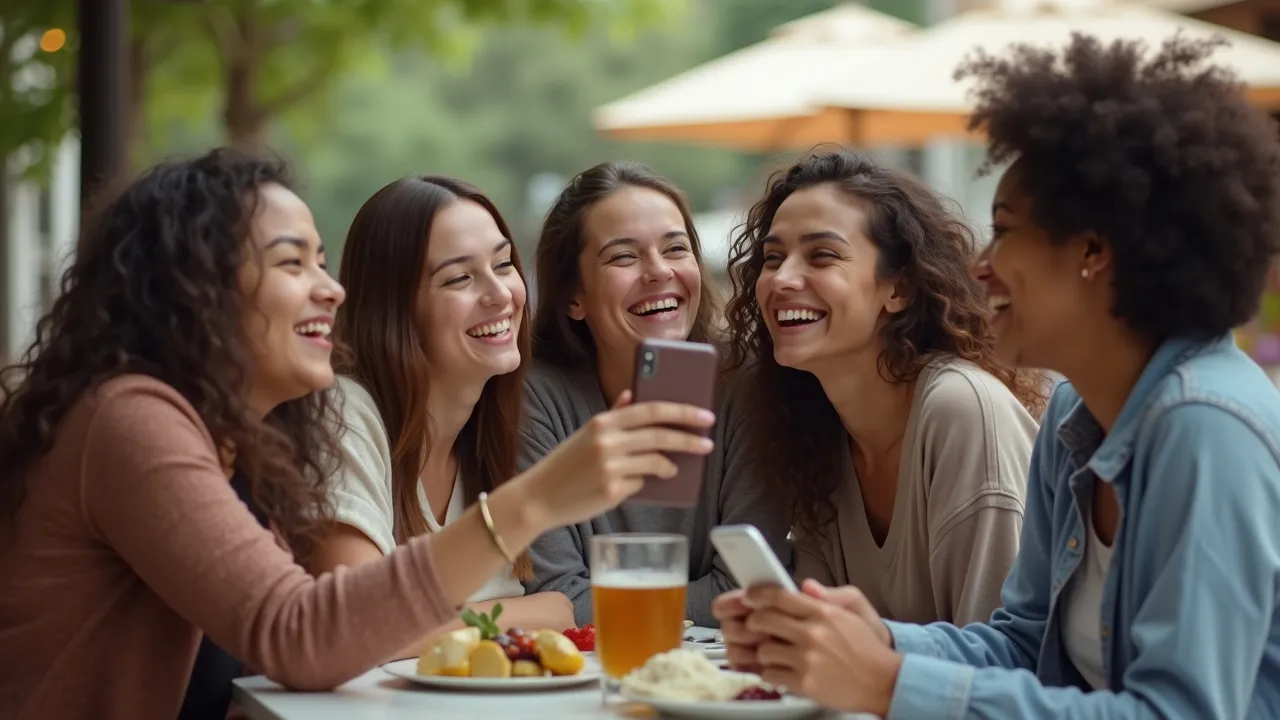
Social Media Day, celebrated on June 30th, honors the digital revolution that connects billions worldwide. Founded by Mashable in 2010, it encourages global participation, sharing, and reflection on the impact of social platforms.
The Historical Origins & Evolutionary Journey
Social Media Day was first observed on June 30, 2010, thanks to the media company Mashable. The goal was simple: to recognize and celebrate the profound impact that social media platforms have had on global communication, culture, and commerce. Over the years, this day has evolved from a niche online event into a worldwide digital holiday, marked by campaigns, conferences, and community gatherings.
The Foundational Catalyst
In the late 2000s, social media was rapidly transforming from a novelty into a daily necessity. Platforms like Facebook, Twitter, and LinkedIn were gaining millions of users. Mashable, founded by Pete Cashmore in 2005, was at the forefront of covering this digital revolution. To harness the momentum, they proposed a day where people could share stories, host meetups, and discuss the future of social connectivity. The first celebration featured a live-streamed event with industry leaders and a global Twitter chat using the hashtag #SocialMediaDay.
Official Adoption & Global Expansion
Unlike national holidays, Social Media Day has no government endorsement—it is a grassroots observance powered by users and brands. However, it gained rapid traction through media coverage and corporate participation. By 2012, major companies like Coca-Cola and Starbucks were running dedicated campaigns. The day became a benchmark for social media managers to showcase their strategies and for educators to teach digital literacy. Today, it is recognized in over 80 countries, with events ranging from webinars to park meetups.
Modern Global Legacy
Social Media Day now serves as a reflective point to examine both the benefits and pitfalls of social platforms. Conversations around mental health, misinformation, and privacy have become central. The day also highlights the role of social media in social movements, such as the Arab Spring and Black Lives Matter. In 2024, the narrative expanded to include the rise of artificial intelligence in content creation and the metaverse, pushing the boundaries of what 'social' means.
How to Celebrate Social Media Day
Celebrating Social Media Day can range from personal reflections to large-scale corporate campaigns. The key is to engage authentically and meaningfully. Below are actionable strategies for individuals, businesses, and communities.
For Individuals
- Share Your Story: Write a post about how social media has impacted your life—whether it's connecting with a long-lost friend or launching a career. Use the hashtag #SocialMediaDay.
- Digital Detox: Paradoxically, some spend the day offline to appreciate real-world interactions. Use the time to journal or volunteer.
- Attend a Local Meetup: Check websites like Meetup.com for events in your area. Many cities host networking sessions or panel discussions.
For Businesses and Brands
- Host a Livestream: Use platforms like Instagram Live or LinkedIn Live to discuss industry trends or host a Q&A with your audience.
- Run a User-Generated Content Campaign: Encourage customers to post with a branded hashtag and offer a prize for the best submission.
- Employee Takeovers: Let employees run the company's social accounts for a day to show the human side of the brand.
Global Traditions
United States: Many influencers host giveaway contests. India: Tech hubs like Bangalore organize hackathons focused on social good. Brazil: Viral challenges on TikTok often dominate the day. Nigeria: Youth groups use the day to promote digital skills training. Japan: Brands often release limited-edition emoji or stickers on messaging apps.
The Societal Impact of Social Media
Social media has profoundly reshaped how societies function. From political revolutions to everyday friendships, its influence is both celebrated and scrutinized on Social Media Day.
Communication Revolution
The rise of social media has democratized information. Anyone with internet access can share news, opinions, and creativity with a global audience. This has led to the decline of traditional gatekeepers like newspapers and broadcasters. However, it also sparked issues like echo chambers and fake news. On Social Media Day, activists often host webinars about media literacy.
Economic Opportunities
Social media has created entire industries—influencers, digital marketers, content creators. According to a 2023 report, the influencer marketing industry alone is worth $21.1 billion. Many small businesses rely on platforms like Instagram and Facebook to reach customers. Social Media Day serves as a reminder to support local entrepreneurs by engaging with their content.
Mental Health Awareness
The correlation between social media use and mental health is complex. While it can foster community for marginalized groups, excessive use is linked to anxiety and depression. On this day, many organizations promote digital well-being, encouraging users to set screen time limits or curate their feeds positively.
The Role of Influencers in Shaping Culture
Influencers have become pivotal in modern marketing and culture. Social Media Day is a time to analyze their impact, both positive and negative.
Rise of Micro-Influencers
Unlike celebrities, micro-influencers (1,000–100,000 followers) often have higher engagement rates and niche audiences. Brands increasingly collaborate with them for authentic endorsements. For example, a local food blogger can drive more traffic to a restaurant than a generic ad.
Ethical Considerations
The Federal Trade Commission (FTC) requires influencers to disclose paid partnerships. However, not all comply, leading to trust issues. Social Media Day often includes workshops on transparency and authenticity in influencer marketing.
Influencers as Activists
Many use their platforms for social causes, from climate change to racial justice. On Social Media Day, influencers may launch fundraising campaigns or amplify marginalized voices.
Business & Marketing Transformations
Social media has disrupted traditional marketing, forcing businesses to adapt or become obsolete. This section explores key shifts celebrated on Social Media Day.
From Broadcast to Conversation
Companies no longer just push messages; they engage in two-way dialogues. On Social Media Day, brands often review their customer service strategies on social platforms. Quick response times and personalized interactions are now table stakes.
Data-Driven Personalization
Algorithms allow hyper-targeted ads based on user behavior. While effective, this raises privacy concerns. The day prompts discussions about ethical data use and the balance between personalization and intrusion.
Social Commerce
Shoppable posts and live shopping are booming. Platforms like Instagram and TikTok now integrate in-app purchasing. Social Media Day is used to launch exclusive products or flash sales.
Future Trends: AI, VR, and Beyond
As technology evolves, so does the definition of social media. Looking ahead, several trends are set to redefine the landscape, making Social Media Day a forward-looking celebration.
Artificial Intelligence
AI-generated content and chatbots are becoming mainstream. Tools like ChatGPT and Midjourney allow users to create posts with minimal effort. However, concerns about deepfakes and job displacement are prominent. Experts on Social Media Day discuss responsible AI use.
The Metaverse
Virtual reality (VR) and augmented reality (AR) are creating immersive social experiences. Platforms like Horizon Worlds and VRChat host events where digital avatars interact. Social Media Day in the metaverse could involve virtual concert or art exhibitions.
Decentralized Social Networks
Blockchain-based platforms like Mastodon and BlueSky offer user-owned data and censorship resistance. These networks are gaining traction among those seeking alternatives to corporate-controlled platforms. On Social Media Day, advocates promote digital sovereignty.
Historical Timeline
Mashable launches the first Social Media Day on June 30. A global Twitter chat and live-streamed event feature industry pioneers.
The hashtag #SocialMediaDay trends on Twitter in multiple countries. Local meetups are organized in over 20 cities worldwide.
Social Media Day becomes a marketing benchmark. Brands like Nike and Adidas launch exclusive campaigns, and dedicated conferences emerge, such as Social Media Week.
United Nations uses Social Media Day to promote the Sustainable Development Goals. Influencers mobilize for social causes.
Focus shifts to digital well-being. Features like Instagram's 'Your Activity' and Apple's Screen Time are released around this period.
Pandemic accelerates social media use. Social Media Day emphasizes connection during lockdowns; virtual events see record participation.
Elon Musk acquires Twitter (now X), sparking debates on platform governance. Social Media Day discussions center on free speech and moderation.
AI tools dominate the conversation. Social Media Day features panels on ethical AI, deepfake detection, and the rise of AI influencers.