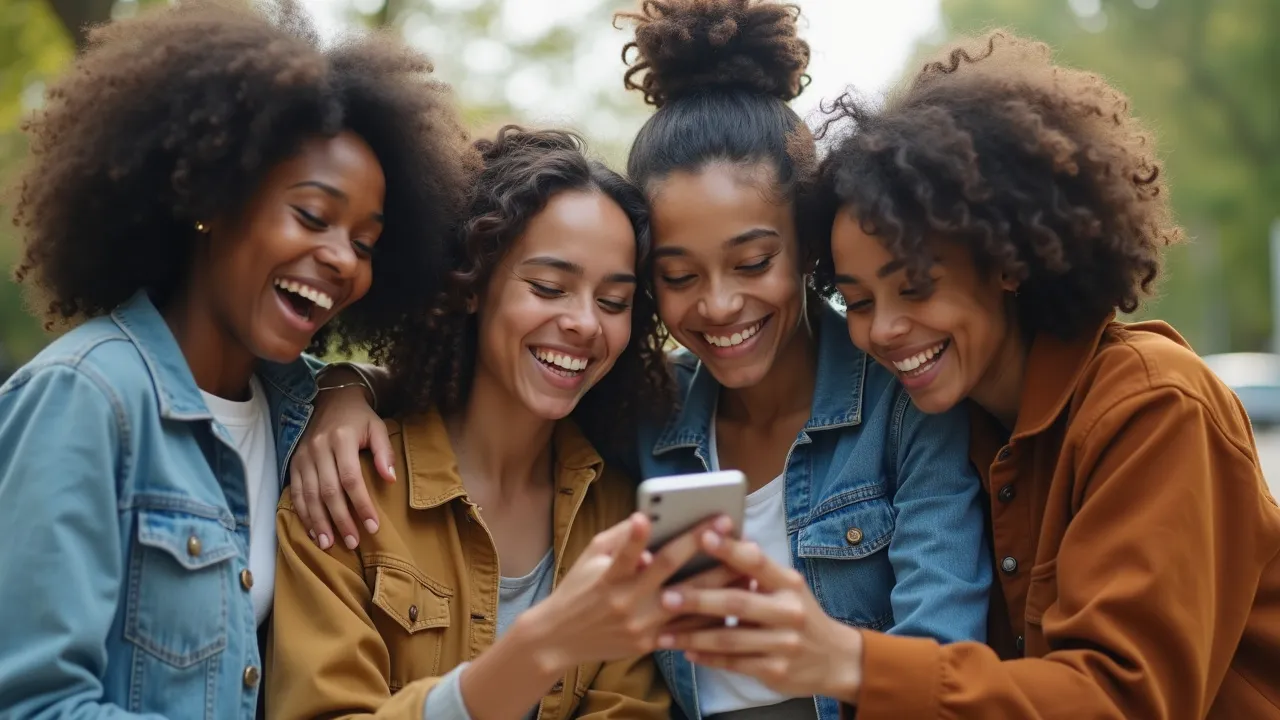
National Social Media Day on June 30th celebrates the digital revolution that connected the world. Created by Mashable in 2010, it honors the platforms that transformed communication, culture, and global interaction.
The Historical Origins & Evolutionary Journey
National Social Media Day, observed annually on June 30th, marks the profound impact of social media platforms on modern society. This section delves into the foundational catalyst, official adoption, and global legacy of this digital observance.
The Foundational Catalyst
The seeds of social media were planted in the late 1990s with platforms like SixDegrees.com (1997), which allowed users to create profiles and list friends. The early 2000s saw the rise of Friendster (2002), LinkedIn (2003), and MySpace (2003), each introducing new ways to connect and share. However, it was Facebook (2004) and Twitter (2006) that truly revolutionized social interaction, enabling real-time updates, viral content, and global communities. The explosive growth of social media by 2010 had reshaped how people communicate, consume news, and express themselves, creating a need for a dedicated day to celebrate this transformation.
The Legislative / Official Adoption
Mashable, a leading digital media platform founded by Pete Cashmore, officially established National Social Media Day in 2010. The first celebration encouraged users worldwide to share their favorite social media stories using the hashtag #SocialMediaDay. This grassroots initiative quickly gained traction, with brands, influencers, and individuals adopting the day to promote digital connections and reflect on the platforms that had become integral to daily life. Unlike government-proclaimed observances, National Social Media Day remains a cultural celebration, recognized by online communities and media outlets globally.
Modern Global Legacy
From its humble beginnings, National Social Media Day has evolved into a global phenomenon. It highlights the dual nature of social media as both a unifying force and a source of societal challenges. The day is used to promote digital literacy, cyber safety, and mental health awareness. In many countries, organizations host conferences, webinars, and social media campaigns to discuss the future of digital interaction. The legacy of June 30th is a testament to how far social media has come—from simple profile pages to the complex ecosystems of TikTok, Instagram, and LinkedIn that now drive culture, politics, and commerce.
How to Celebrate National Social Media Day
National Social Media Day offers countless ways to honor the platforms that connect us. Whether you are an individual, a school, or a multinational corporation, here are actionable strategies to celebrate meaningfully.
For Individuals
- Post a Grateful Update: Share a personal story about how social media has positively impacted your life, using the official hashtag #NationalSocialMediaDay.
- Digital Detox Reflection: Take a break from screens for a few hours to appreciate offline connections, then log back in to share the experience.
- Connect with an Old Friend: Send a direct message or tag someone you haven't spoken to in years, rekindling a relationship through the platform.
For Organizations and Brands
- Host a Live Event: Organize a Twitter Spaces, Instagram Live, or LinkedIn webinar on topics like digital marketing or online community building.
- Employee Shoutouts: Celebrate team members who excel at managing social channels with public recognition posts.
- Charity Campaigns: Launch a fundraising drive on Facebook or TikTok for a cause related to digital inclusion or online safety.
Global Traditions and Variations
While June 30th is the primary date, some regions extend celebrations. In India, the day often coincides with digital literacy workshops. Brazilian influencers organize massive meetups. Japanese users focus on respectful online etiquette. Even schools in Australia incorporate lessons on cyberbullying prevention. The key is to adapt the celebration to local cultures while emphasizing responsible and joyful social media use.
The Global Impact on Communication
Social media has fundamentally altered human communication. National Social Media Day is a moment to examine how platforms like Facebook, Twitter, WhatsApp, and WeChat have collapsed geographic barriers, enabled instant news dissemination, and fostered global movements.
Enhanced Connectivity
From the Arab Spring to climate activism, social media empowers voices that were previously marginalized. The ability to organize protests, fundraise for disaster relief, or simply stay in touch with loved ones across time zones is unprecedented. According to a 2023 Pew Research study, 72% of adults in developed nations use at least one social media platform daily.
Information Speed and Misinformation
Rapid information sharing also fuels misinformation. The day prompts discussions on media literacy and fact-checking. Platforms have introduced features like content moderation and algorithm adjustments to curb false narratives, but the challenge remains ongoing.
Cultural Exchange
Social media has become a global stage for cultural exchange. K-pop, viral dances, and international cuisines spread faster than ever, fostering cross-cultural understanding. National Social Media Day celebrates this interconnectedness while acknowledging the responsibility that comes with such power.
Social Media and Mental Health: A Double-Edged Sword
The relationship between social media and mental health is complex. While it offers support communities and self-expression, excessive use can lead to anxiety, depression, and FOMO (fear of missing out). This section explores both sides.
Positive Effects
- Support Networks: Groups for mental health, chronic illnesses, and parenting provide solace.
- Self-Expression: Platforms like Instagram and TikTok allow creative outlets.
- Awareness: Campaigns like Bell Let's Talk destigmatize mental health issues.
Negative Effects
- Comparison Culture: Curated feeds can harm self-esteem.
- Sleep Disruption: Late-night scrolling interferes with rest.
- Cyberbullying: Over 40% of teens report online harassment (Pew, 2022).
National Social Media Day encourages balanced usage. Many digital wellness initiatives, such as screen time tracking and mindful posting, gain traction on this day.
The Business of Social Media: Marketing and Monetization
Social media has birthed a multi-billion dollar economy. On National Social Media Day, marketers, influencers, and entrepreneurs reflect on platforms’ commercial impact.
Influencer Economy
From micro-influencers to mega-celebrities, social media stars earn through sponsored content, brand deals, and direct sales. The global influencer market was valued at $21.1 billion in 2023 (Statista).
Advertising Prowess
Facebook and Google dominate digital ad revenue, but TikTok and Instagram are catching up. Targeted ads based on user behavior offer high ROI, but raise privacy concerns. The day often features webinars on ethical marketing.
Small Business Boost
For small businesses, social media levels the playing field. A bakery can become viral with a single video. National Social Media Day highlights success stories and best practices for leveraging platforms.
Future Trends: AI, VR, and the Next Decade
As National Social Media Day looks forward, emerging technologies promise to reshape digital interaction. This section outlines key trends.
Artificial Intelligence
AI-driven content creation (e.g., ChatGPT posts, deepfake videos) and personalized feeds are becoming standard. Ethical AI usage—like detecting hate speech—is a growing focus.
Virtual and Augmented Reality
Meta’s Horizon Worlds and Apple’s Vision Pro signal a shift toward immersive social experiences. Virtual meetups, AR filters, and digital twins will redefine engagement.
Decentralization
Blockchain-based platforms (e.g., Mastodon, Bluesky) offer user-owned data and reduced corporate control. The trend toward more private, ad-free networks may gain momentum.
National Social Media Day serves as a touchstone for these conversations, encouraging communities to shape the future responsibly.
Historical Timeline
SixDegrees.com launches, widely considered the first social media platform, allowing users to create profiles and add friends.
Friendster launches, popularizing social networking for dating and new connections.
LinkedIn and MySpace debut, targeting professional networking and music-centered communities respectively.
Facebook launches at Harvard University, eventually expanding globally and becoming the largest social network.
YouTube is founded, revolutionizing video sharing and user-generated content.
Twitter launches, introducing microblogging and the hashtag concept.
Instagram is launched, focusing on photo sharing. Mashable creates the first National Social Media Day on June 30.
Snapchat introduces ephemeral messaging, changing how younger audiences communicate.
Pinterest gains traction as a visual discovery engine. Facebook acquires Instagram for $1 billion.
TikTok (initially Musical.ly) goes global, popularizing short-form video content. Social media’s role in the US election sparks debates on misinformation.
COVID-19 pandemic accelerates social media usage for stay-at-home communication. Live streaming and e-commerce integrations surge.
National Social Media Day highlights AI-generated content, mental health awareness, and decentralized platforms as key themes.