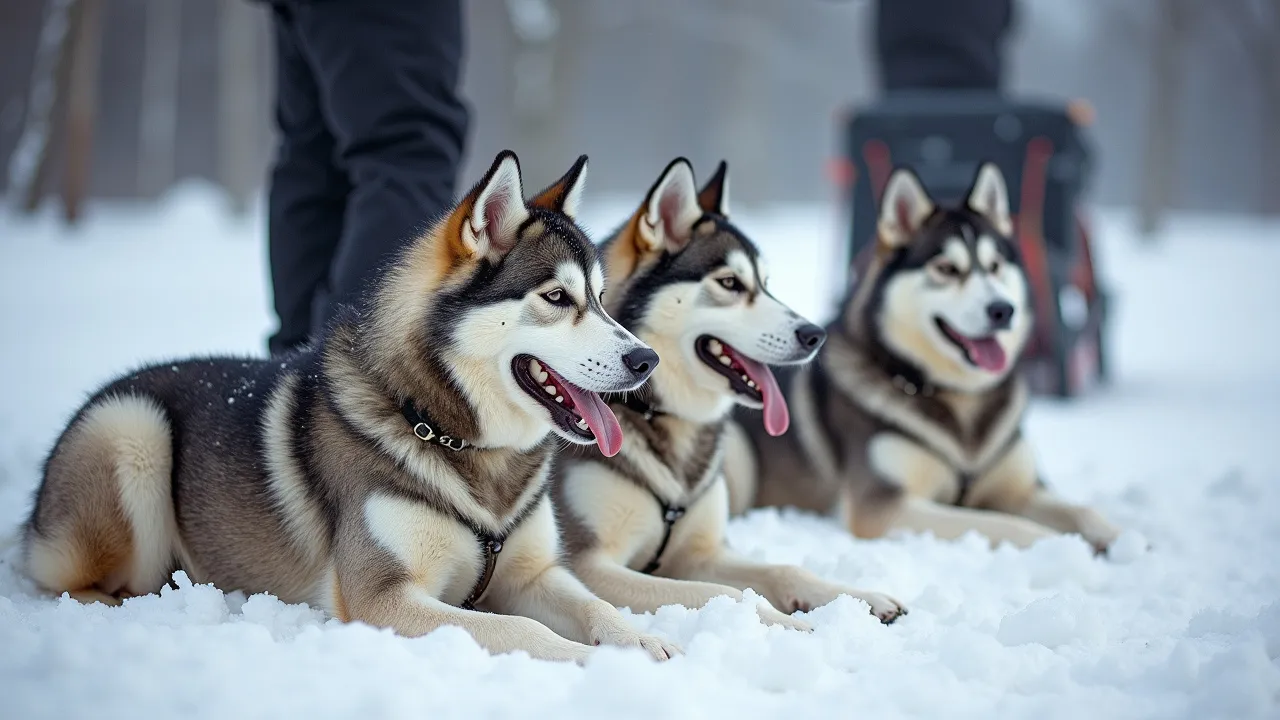
Sled Dog Day, observed on February 2nd, honors the historic and cultural contributions of sled dogs. Learn about their origins, role in Arctic exploration, and how to celebrate these hardworking animals.
The Historical Origins & Evolutionary Journey of Sled Dogs
Sled dogs have been integral to human survival in Arctic and subarctic regions for thousands of years. The bond between humans and these hardy canines predates recorded history, with archaeological evidence suggesting that dog sledding emerged over 4,000 years ago in Siberia and North America.
The Foundational Catalyst: Domestication and Early Use
The domestication of wolves in northern climates led to the development of dogs with thick coats, high endurance, and a cooperative pack mentality. Early indigenous peoples, such as the Thule and Inuit, harnessed these traits to create efficient transport systems across snow and ice. Dogs pulled sleds carrying supplies, game, and families, becoming a cornerstone of Arctic life.
The Legislative/Official Adoption of Sled Dog Day
In 2010, a group of sled dog enthusiasts and mushers established Sled Dog Day to raise awareness about the breed's history and welfare. The date February 2nd was chosen to coincide with the midpoint of winter in the Northern Hemisphere, when sled dogs are most active. While not a federal holiday, it is recognized by mushing organizations, kennel clubs, and animal welfare groups across the United States, Canada, and Europe.
Modern Global Legacy
Today, sled dogs are celebrated not only for their historical role but also for their participation in competitive sports like the Iditarod and Yukon Quest. Modern breeding programs focus on health and temperament, ensuring that these dogs continue to thrive. Sled Dog Day has expanded beyond North America, with events in Scandinavia, Russia, and even Alpine regions of Europe, highlighting the global appreciation for these remarkable animals.
How to Celebrate Sled Dog Day
Sled Dog Day offers opportunities for individuals, schools, and organizations to honor these animals through education, advocacy, and direct participation. Here are actionable ways to celebrate:
For Individuals and Families
- Attend a local mushing event: Many kennels and sled dog racing clubs host open houses or short rides on February 2nd. Check community calendars for sled dog demonstrations.
- Volunteer at a rescue: Sled dog rescues often need help with walking, cleaning, and fundraising. Use Sled Dog Day as a catalyst to support these organizations.
- Watch a documentary: Films like The Great Alone or Spirit of the Wind showcase the bond between mushers and their dogs. Host a viewing party with friends.
For Schools and Educators
- Classroom activities: Teach students about the geography of Arctic regions, the biology of sled dogs, and the history of dog sledding. Create a mock Iditarod race using math and map skills.
- Invite a musher: Many mushers are willing to give virtual or in-person presentations, sharing stories of training and racing.
For Organizations and Businesses
- Sponsor a sled dog team: Businesses can support a local musher by providing supplies or financial sponsorship, gaining visibility in the mushing community.
- Donate to canine health research: Organizations like the International Sled Dog Veterinary Medical Association (ISDVMA) fund research on sled dog health. Corporate donations amplify impact.
Regional variations exist: In Canada, some communities hold ceremonial runs to honor indigenous traditions, while in Scandinavia, the day may include ski-joring events (dogs pulling skiers). Always check local customs to celebrate respectfully.
The Impact of Sled Dogs on Arctic Exploration and Trade
Sled dogs were instrumental in the exploration of polar regions. During the 19th and early 20th centuries, explorers like Roald Amundsen and Robert Peary relied on dog sleds to reach the North and South Poles. Without sled dogs, many expeditions would have failed. Amundsen's 1911 South Pole expedition famously used Greenland dogs, demonstrating their superiority over ponies and motorized vehicles.
Gold Rush Economy
The Klondike Gold Rush (1896-1899) saw a surge in demand for sled dogs to haul supplies over mountain passes. Breeders rushed to produce strong, fast dogs, leading to the development of distinct types like the Siberian Husky and Alaskan Malamute. This era cemented the sled dog's place in North American folklore.
Modern Transport and Tourism
While snowmobiles have replaced sled dogs for most utilitarian transport, dog sledding remains a vital tourism industry in Alaska, Canada, Greenland, and Scandinavia. Eco-tourists pay for mushing experiences, supporting local economies and preserving traditional skills.
Breeding, Health, and Welfare of Sled Dogs
The health and welfare of sled dogs are central to the celebration of Sled Dog Day. Ethical mushers prioritize proper nutrition, veterinary care, and humane training methods.
Common Breeds
- Alaskan Malamute: Large, powerful, built for hauling heavy loads.
- Siberian Husky: Medium-sized, endurance-oriented, popular in racing.
- Alaskan Husky: A mixed breed optimized for speed and stamina, not recognized by major kennel clubs.
Health Considerations
Sled dogs are prone to certain conditions due to their intense workloads: gastric dilation-volvulus (bloat), foot injuries, and respiratory infections. Preventative care includes high-calorie diets, regular vet check-ups, and protective booties for the dogs' paws. Modern veterinary science has greatly improved longevity, with many sled dogs living 12-15 years.
Welfare Advocacy
The Humane Society and PETA have scrutinized sled dog operations. In response, the International Sled Dog Racing Association (ISDRA) enforces rules on minimum rest periods, veterinary checks, and housing standards. Sled Dog Day promotes adoption from rescues and discourages puppy mills that supply racing kennels.
Cultural Significance and Indigenous Traditions
For indigenous peoples of the Arctic, sled dogs are more than tools; they are family members and spiritual guides. The Inuit and Yupik have oral traditions that honor the 'qimmiq' (dog) as a loyal companion in the harsh tundra. Dog sledding is integral to their cultural identity, with distinct gear and training methods passed down generations.
Ceremonial and Spiritual Roles
In some communities, sled dogs are involved in rituals marking the solstice or successful hunts. The dogs are believed to possess a spirit that protects travelers from evil. Modern celebrations of Sled Dog Day often include indigenous elders sharing stories, ensuring these traditions survive.
Cultural Appropriation vs. Appreciation
Non-indigenous mushers and enthusiasts must approach these traditions with respect. Sled Dog Day encourages learning about the original stewards of dog sledding and supporting indigenous-led tourism and cultural exchanges.
The Future of Sled Dog Sports and Conservation
As climate change reduces snow cover, the future of sled dog sports faces challenges. Warmer winters shorten racing seasons and threaten the viability of dog sledding in some regions. However, innovation is occurring:
- Dryland mushing: Using wheeled rigs on dirt trails allows year-round training and racing.
- Synthetic snow: Some venues are investing in artificial snow to host events.
- Conservation efforts: Sled dog organizations participate in wildlife tracking and search-and-rescue, demonstrating the breed's versatility.
Sled Dog Day serves as a platform to discuss these issues and promote sustainable practices. By supporting responsible kennels and advocating for climate action, enthusiasts can ensure that sled dogs remain a vibrant part of our world.
Historical Timeline
Archaeological evidence from Siberia shows early use of dogs for sledding, with remains of dog sleds and harnesses.
European explorers encounter indigenous dog sledding in North America and Siberia, documenting techniques.
The Klondike Gold Rush begins, leading to a massive demand for sled dogs and the rise of breeding programs in Alaska and Canada.
Roald Amundsen uses sled dogs to reach the South Pole, proving their superiority in polar exploration.
The Great Race of Mercy (Nenana to Nome) delivers diphtheria antitoxin by dog sled, immortalizing mushers like Gunnar Kaasen and Leonhard Seppala.
Sled dog racing is included as a demonstration sport at the Lake Placid Winter Olympics.
The first Iditarod Trail Sled Dog Race is run from Anchorage to Nome, Alaska, sparking modern competitive mushing.
Sled Dog Day is first celebrated on February 2nd, created by sled dog enthusiasts to honor these animals.
The Yukon Quest International Sled Dog Race celebrates 35 years, highlighting endurance racing in extreme conditions.