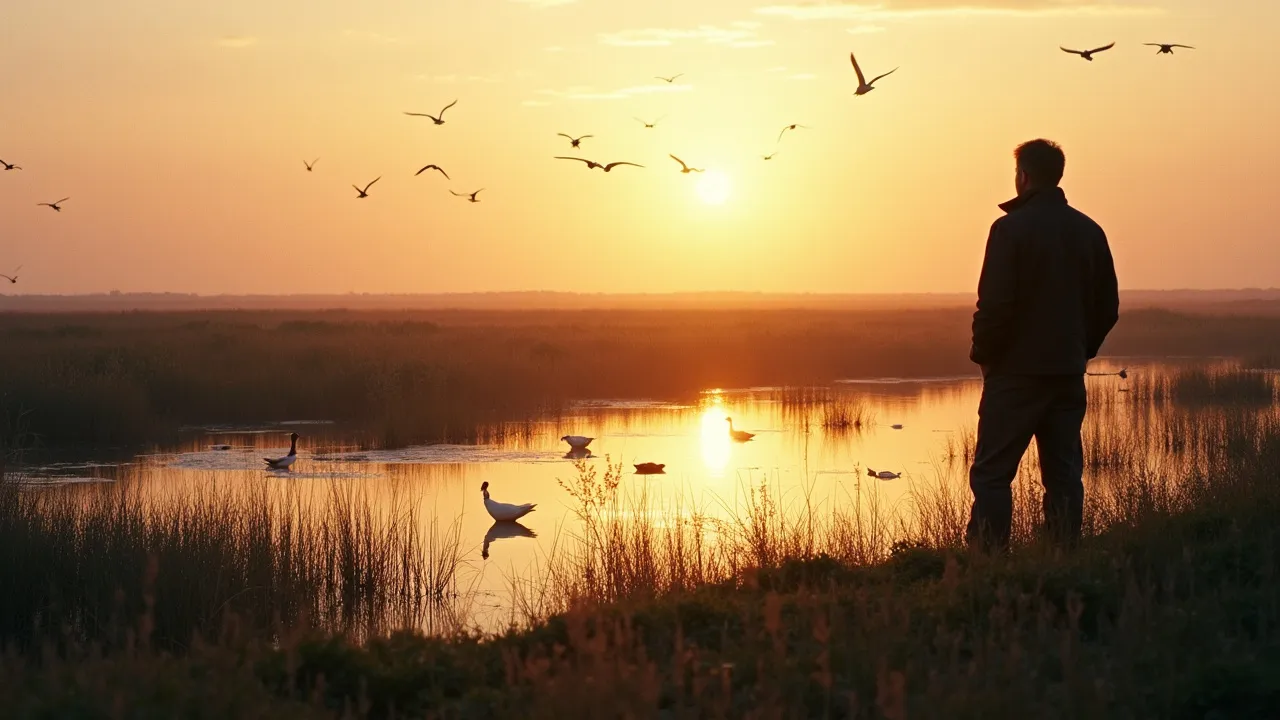
World Wetlands Day, observed on February 2nd, raises global awareness about the vital role of wetlands for people and the planet. It marks the adoption of the Ramsar Convention on Wetlands in 1971, promoting conservation and sustainable use.
Historical Origins & Evolutionary Journey
World Wetlands Day commemorates the signing of the Ramsar Convention on Wetlands on February 2, 1971, in Ramsar, Iran. This intergovernmental treaty provides the framework for national action and international cooperation for the conservation and wise use of wetlands and their resources.
The Foundational Catalyst
The convention was prompted by increasing threats to wetlands, such as drainage, pollution, and overexploitation. Wetlands are among the most productive ecosystems, supporting biodiversity and providing essential services like water purification, flood control, and carbon storage. The founding countries recognized the urgent need for a global commitment to protect them.
Legislative Adoption & First Celebration
The convention entered into force in 1975. World Wetlands Day was first celebrated in 1997, organized by the Ramsar Secretariat to raise public awareness. Each year, a specific theme focuses attention on different aspects, such as 'Wetlands and Climate Change' or 'Wetlands for a Sustainable Urban Future'.
Modern Global Legacy
Today, over 2,400 Ramsar Sites cover more than 2.5 million square kilometers. The day has evolved into a global movement, with governments, NGOs, schools, and communities organizing events, clean-ups, and educational activities. The UN General Assembly formally adopted World Wetlands Day as a UN International Day in 2021, highlighting its growing importance.
How to Celebrate World Wetlands Day
World Wetlands Day offers countless ways for individuals, schools, and organizations to engage and make a difference. Below are actionable strategies grouped by audience.
For Individuals
- Visit a Local Wetland – Explore a nearby marsh, swamp, or bog. Observe wildlife and connect with nature.
- Reduce Plastic Use – Wetlands are often choked by plastic waste. Commit to using reusable bags and bottles.
- Volunteer for Clean-ups – Join or organize a wetland clean-up event through local conservation groups.
For Schools & Educators
- Host a Wetlands Lesson – Teach students about ecosystem services. Use interactive models or virtual tours.
- Organize a Field Trip – Visit a Ramsar site or local wetland for hands-on learning.
- Create Art Projects – Encourage students to draw or photograph wetlands, highlighting biodiversity.
For Organizations & Governments
- Launch a Campaign – Use social media to spread awareness. Share facts and event updates.
- Restore Wetlands – Initiate restoration projects, such as replanting native vegetation or removing invasive species.
- Policy Advocacy – Lobby for stronger wetland protection laws and sustainable water management.
In China, schools hold wetland-themed competitions; in Brazil, communities celebrate with cultural festivals near the Pantanal. The global reach demonstrates the unifying power of this observance.
The Critical Importance of Wetlands
Wetlands are often called the 'kidneys of the landscape' due to their ability to filter pollutants and improve water quality. They are also vital for climate regulation, acting as major carbon sinks. Mangroves, peatlands, and marshes store vast amounts of carbon, helping mitigate climate change.
Biodiversity Hotspots
Wetlands support a disproportionate number of species. They provide habitat for migratory birds, fish, amphibians, and unique plant communities. Over 40% of the world's species live or breed in wetlands.
Livelihoods and Culture
Millions of people depend on wetlands for fishing, agriculture, and tourism. They also hold cultural significance for indigenous communities. The loss of wetlands threatens both biodiversity and human well-being.
Major Threats to Wetlands Worldwide
Despite their importance, wetlands face severe pressures. The Ramsar Convention estimates that over 35% of the world's wetlands have been lost since 1970, a rate three times that of forests.
Drainage and Conversion
Wetlands are often drained for agriculture, urban development, and infrastructure projects. For example, the Florida Everglades have been reduced by half due to water diversion and farming.
Pollution
Agricultural runoff, industrial waste, and plastic pollution degrade water quality and harm wildlife. Eutrophication from excess nutrients creates dead zones.
Climate Change
Sea-level rise threatens coastal wetlands; altered rainfall patterns dry out inland wetlands. Melting permafrost in Arctic regions also releases greenhouse gases.
Addressing these threats requires coordinated global action and local stewardship.
Global Impact and Conservation Success Stories
World Wetlands Day has spurred significant conservation achievements. The Ramsar network now includes over 2,400 sites, covering more than 2.5 million square kilometers.
Notable Successes
- Okavango Delta (Botswana) – A Ramsar site and UNESCO World Heritage Site, protected through community-based management.
- Wetlands of the Doñana (Spain) – Restoration efforts have revived populations of the endangered Iberian lynx.
- Mangrove Reforestation in Southeast Asia – Countries like Indonesia have planted millions of mangroves to restore coastal buffers.
These examples show that with political will and public support, wetlands can recover and thrive.
How to Get Involved Beyond the Day
While World Wetlands Day is a focal point, year-round engagement is crucial. Here are ways to sustain momentum:
Support Conservation Organizations
Donate to groups like Wetlands International or WWF that work on wetland protection and restoration.
Advocate for Policy
Write to local representatives urging stronger wetland protections. Support national legislation aligned with the Ramsar Convention.
Adopt Sustainable Practices
Reduce water consumption, avoid harmful chemicals, and choose sustainable seafood to lessen pressure on wetland ecosystems.
Every action counts in the global effort to preserve these invaluable ecosystems for future generations.
Historical Timeline
The Ramsar Convention on Wetlands is signed on February 2 in Ramsar, Iran, establishing the first intergovernmental treaty for wetland conservation.
The Ramsar Convention enters into force with the required number of signatories, launching the global effort to list and protect wetlands.
First World Wetlands Day celebrated on February 2, organized by the Ramsar Secretariat to raise public awareness about wetland values.
Theme 'Wetlands: Water, Life, and Culture' highlights the interconnection between wetlands and human well-being.
The Sustainable Development Goals (SDGs) include wetlands under Goal 6 (Clean Water) and Goal 15 (Life on Land), reinforcing global targets.
The UN General Assembly adopts a resolution making World Wetlands Day an official UN International Day, emphasizing its global significance.
Theme 'Wetlands Action for People and Nature' calls for immediate restoration and conservation efforts to halt wetland loss.
Over 2,400 Ramsar sites designated worldwide, covering 2.5 million square kilometers, demonstrating the convention's reach.
Theme 'Wetlands and Human Wellbeing' focuses on the health and livelihood benefits of healthy wetland ecosystems.