Celebrate Crepe Day (La Chandeleur) on February 2nd with French tradition. Discover the history of Candlemas, the symbolism of crepes, and how to flip them for good luck.
The Historical Origins & Evolutionary Journey
Crepe Day, known as La Chandeleur in French, is celebrated on February 2nd each year. This observance is deeply rooted in both Christian tradition and ancient pagan rituals, evolving over centuries into the beloved culinary celebration we know today.
The Foundational Catalyst: Pagan and Christian Origins
Before Christianity, the date of February 2nd marked the midpoint between the winter solstice and the spring equinox. Pagan Romans celebrated Lupercalia (though later in February) and the Festival of Februa, a purification ritual. The Celts observed Imbolc, a festival honoring the goddess Brigid and the first signs of spring. With the spread of Christianity, these traditions were absorbed into the feast of Candlemas, commemorating the Presentation of Jesus at the Temple and the purification of the Virgin Mary, 40 days after Christmas. The name 'Candlemas' comes from the tradition of blessing and distributing candles, symbolizing Christ as the 'light to lighten the Gentiles'.
The Evolution of Crepe Tradition
The association with crepes emerged in France during the Middle Ages. Farmers would use leftover buckwheat flour from the previous year's harvest to make crepes, which were round and golden, resembling the sun and the host (Eucharist). The act of flipping a crepe while holding a coin in the right hand became a popular superstition: if the crepe landed correctly in the pan, the family would enjoy prosperity throughout the year. By the 19th century, the tradition was firmly established across France.
Modern Global Legacy
Today, Crepe Day is celebrated not only in France but also in Belgium, Switzerland, Canada, and other Francophone regions. In many countries, it has become a secular food holiday where people enjoy sweet and savory crepes. The tradition of flipping crepes for luck remains a cherished practice, particularly in schools and homes. La Chandeleur also marks the end of the Christmas season in some Christian calendars, adding to its significance as a transitional celebration.
How to Celebrate Crepe Day (La Chandeleur)
Celebrating Crepe Day is about embracing French culture and enjoying delicious food. Below are actionable strategies for individuals, families, schools, and organizations to participate.
For Individuals and Families
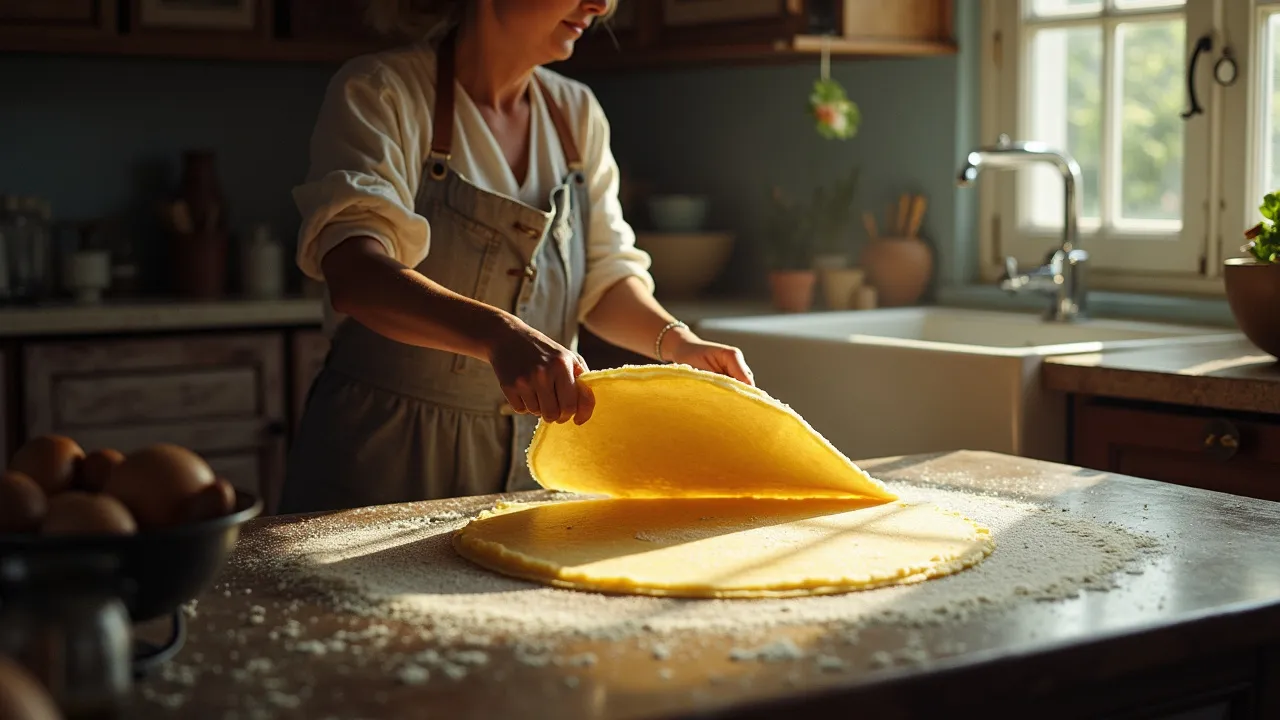
- Master the Crepe Flip: The most iconic tradition involves flipping a crepe with a frying pan while holding a gold coin (or any coin) in your dominant hand. If you catch it cleanly, you will have a year of good luck and prosperity. Practice with a small crepe first!
- Prepare a Crepe Feast: Make a large batch of crepes using traditional recipes with buckwheat flour for savory galettes or white flour for sweet crepes. Classic fillings include ham and cheese (savory) or Nutella, bananas, and whipped cream (sweet).
- Set a Festive Table: Decorate with candles (in honor of Candlemas) and serve crepes with cider or sparkling wine. Say a toast to health and happiness.
For Schools and Community Groups
- Host a Crepe-Making Workshop: Teach participants how to make batter, pour it thinly, and flip it. Include a competition for the best flip or the most creative topping.
- Cultural Learning Session: Combine the cooking activity with a lesson on the history of La Chandeleur, including its pagan and Christian roots. Show videos of French celebrations.
For Restaurants and Businesses
- Offer Special Crepe Menus: Feature a limited-time menu with both sweet and savory crepes. Promote the tradition of flipping for luck with a free dessert if customers successfully flip a crepe.
- Social Media Campaign: Share videos of crepe flipping, historical facts, and user-generated content with the hashtag #CrepeDay or #LaChandeleur.
Celebration Dynamics Across Cultures
In France, families gather for a meal of crepes in the evening. In Belgium, they celebrate with Crêpes de la Chandeleur and sometimes enjoy them with beer. In Canada, particularly Quebec, the tradition is observed with maple syrup and other local toppings. In the United States, it is often adopted as a fun food holiday by creperies and foodies.
Cultural Significance and Symbolism
The crepe itself is a powerful symbol in La Chandeleur. Its round shape and golden color represent the sun, the return of light after winter, and the Eucharist in Christian tradition. Flipping the crepe is a ritual that symbolizes turning away from darkness and toward prosperity. The coin held during the flip represents wealth and abundance. Additionally, the use of buckwheat flour in traditional galettes pays homage to the agricultural roots of the holiday, as buckwheat is a hardy grain that sustained peasants through harsh winters. The candle (chandelle) also holds symbolic weight: it signifies Christ as the light, purifies the home, and wards off evil. In rural France, farmers would light candles in their fields to bless the coming harvest.
Crepe Day Around the World
While La Chandeleur is predominantly a French tradition, similar observances exist globally. Mexico celebrates Día de la Candelaria on February 2nd with tamales, not crepes, but shares the religious significance of Candlemas. In Luxembourg, they eat pancakes (Paangecher). Switzerland enjoys crepes with apple sauce. In Japan, crepes have become a popular street food, and some creperies observe the day with special offers. The United Kingdom has Pancake Day (Shrove Tuesday), which involves eating pancakes and often racing with frying pans, a similar tradition but on a different date. The global spread of crepe culture highlights how a simple food can bridge cultures and bring joy.
The Art of Crepe Making
Making the perfect crepe is a skill that combines technique and patience. Key ingredients include flour, eggs, milk, butter, and a pinch of salt. For savory galettes, buckwheat flour is used. The batter must rest for at least 30 minutes to relax the gluten. Equipment: a non-stick crepe pan or a flat griddle, a wooden spreader, and a thin spatula. Technique: pour a ladleful of batter into the center of the pan, then quickly tilt and swirl to coat the bottom thinly. Cook until edges lift, then flip carefully. For the traditional flip, jerk the pan upward to toss the crepe in the air. Practice makes perfect! Common mistakes: too thick batter, pan too hot, or not enough butter. Advanced tips: add beer or sparkling water to the batter for extra lightness, or use browned butter for nutty flavor.
La Chandeleur in Modern Pop Culture and Media
Crepe Day has found its way into popular culture, especially in France. The film La Crêpe (1953) and several cooking shows feature crepe flipping competitions. Social media platforms like Instagram and TikTok are flooded with #CrepeDay posts each year, showing elaborate crepe cakes and tricky flips. In literature, crepes appear in works by Marcel Pagnol and other French authors as part of daily life. Theme parks in France sometimes host special Crepe Day events. The holiday has also been embraced by food bloggers who create fusion recipes like matcha crepes or sushi crepes, blending tradition with innovation. This modern popularity ensures that La Chandeleur remains a vibrant, evolving celebration.
Health and Nutritional Aspects of Crepes
Crepes can be part of a balanced diet when made with wholesome ingredients. Buckwheat crepes (galettes) are gluten-free and rich in fiber, protein, and minerals like magnesium. White flour crepes are lower in fiber but can be topped with fruits and yogurt for a nutritious meal. To reduce calories, use skim milk and a minimal amount of butter in the pan. Crepes are naturally low in sugar (unless added), making them a versatile base for both savory and sweet dishes. Traditional fillings like ham, cheese, eggs, and spinach provide protein and vitamins. For a healthier sweet option, use fresh berries, dark chocolate, and a dollop of Greek yogurt. Moderation is key, but there's no need to feel guilty about enjoying a crepe or two on this special day!
Historical Timeline
The Christian feast of Candlemas (Presentation of Jesus) is established on February 2nd, replacing pagan festivals.
French peasants begin using leftover buckwheat flour to make crepes on Candlemas, linking the food to the holiday.
The tradition of flipping crepes with a coin for luck becomes widespread in France.
La Chandeleur is recognized as a popular cultural holiday in France, with creperies offering special menus.
Crepe Day gains international attention through food blogs and social media, celebrated in many countries beyond France.
February 2nd is marked globally as Crepe Day, with over 1 million crepes consumed in France alone on this date.