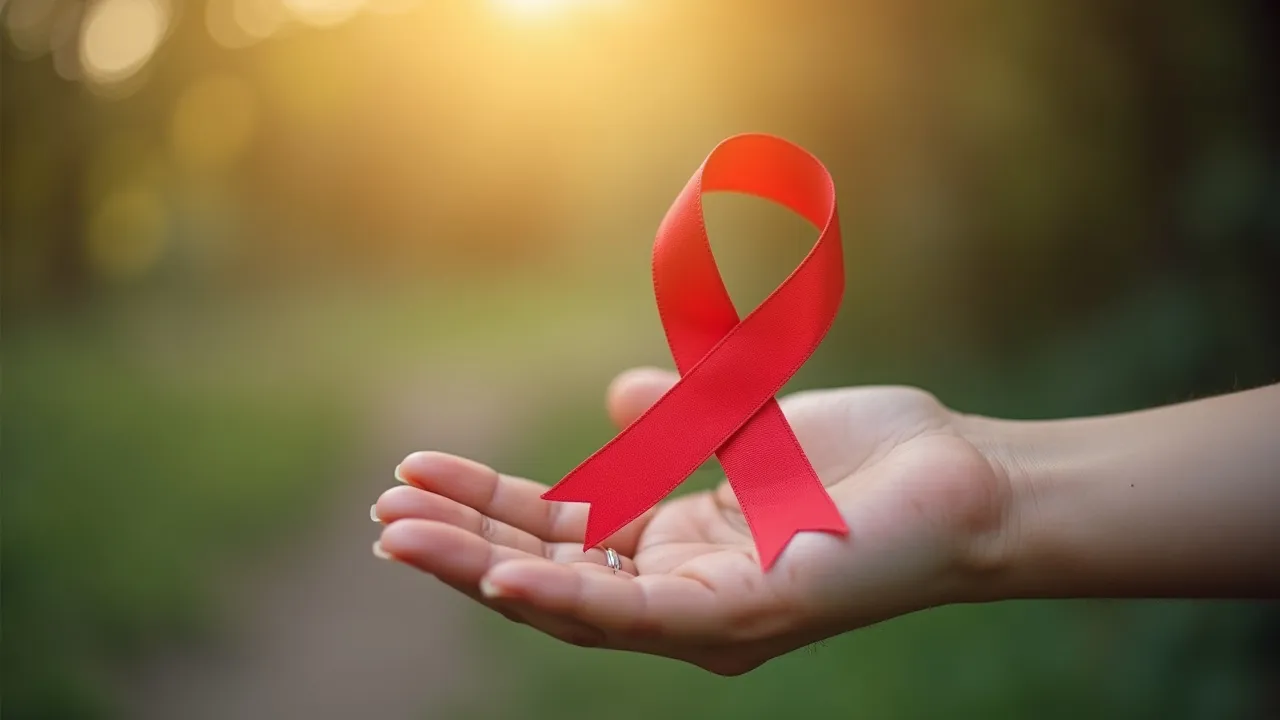
Observed annually on March 1, Self-Injury Awareness Day works to eliminate stigma surrounding self-harm, promote understanding, and encourage those affected to seek compassionate support and recovery resources.
The Historical Origins and Purpose of Self-Injury Awareness Day
Self-Injury Awareness Day (SIAD) is observed annually on March 1st, dedicated to raising awareness about self-harm and reducing the stigma associated with it. The day was first established in 2002 by LifeSIGNS (Self-Injury Guidance & Network Support), a UK-based charity, with the goal of educating the public and encouraging open conversations about self-injury.
The Founding Catalyst
The inception of SIAD was driven by the need to address widespread misunderstanding and secrecy surrounding self-harm. During the late 1990s and early 2000s, self-injury was often sensationalized in media or dismissed as attention-seeking behavior. LifeSIGNS recognized that many individuals who self-injured suffered in silence due to fear of judgment. The organization aimed to create a day that would foster empathy and provide accurate information. The first SIAD was marked by small community events and online campaigns, gradually gaining traction. The choice of March 1 was influenced by the beginning of spring, symbolizing hope and renewal. The orange ribbon, adopted as the official symbol, represents warmth and healing.
Official Adoption and Global Spread
Following its launch in the UK, SIAD quickly spread to other countries, including the United States, Canada, Australia, and parts of Europe. In the US, organizations like the Self-Injury Foundation and the American Counseling Association began promoting the day. By the late 2000s, SIAD had become a global observance, with events ranging from candlelight vigils to educational workshops in schools. The day is now supported by numerous mental health organizations worldwide, including the National Self-Harm Network and the International Society for the Study of Self-Injury. In 2005, the orange ribbon became officially recognized, and in 2008, the World Health Organization acknowledged self-harm as a public health priority, further legitimizing the observance.
Modern Legacy and Continuing Mission
Today, SIAD has evolved into a multifaceted awareness campaign. Social media plays a crucial role, with hashtags like #SIAD and #SelfInjuryAwarenessDay trending annually. The day has also influenced policy, leading to improved training for healthcare providers and educators. However, challenges remain, including persistent myths about self-harm and the need for accessible treatment. SIAD continues to emphasize that self-injury is often a coping mechanism for emotional distress, not a bid for attention, and that recovery is possible with appropriate support. The legacy of SIAD is one of compassion, evidence-based education, and a commitment to breaking the silence around a deeply misunderstood behavior.
How to Celebrate Self-Injury Awareness Day
Participating in Self-Injury Awareness Day can take many forms, from individual reflection to large-scale community events. The primary goal is to spread understanding and show support for those affected by self-harm. Here are actionable strategies for different groups:
For Individuals
- Wear an orange ribbon – Orange is the official color for SIAD. Wearing a ribbon can spark conversations and show solidarity.
- Share information – Post facts about self-injury on social media using #SIAD. Be sure to include crisis hotline numbers like the National Self-Harm Helpline (UK: 0800 622 6000) or the Crisis Text Line (US: text HOME to 741741).
- Practice self-care – If you are personally affected, use the day to reach out for help or engage in healthy coping activities such as journaling or art.
- Educate yourself – Read books or articles about self-harm to deepen your understanding. Recommended resources include "Helping the Hurt Child" by Tina M. O'Connell.
For Schools and Universities
- Host an awareness booth – Set up a table with informational brochures and resource lists. Include orange ribbons and cards with helpline numbers.
- Organize a guest speaker – Invite a mental health professional to discuss self-harm and destigmatization. Ensure a safe space for questions.
- Integrate into curriculum – Teachers can include lessons on emotional regulation and mental health in subjects like health class or psychology.
- Candlelight vigil – Hold an evening event to honor survivors and remember those lost, with readings and moments of reflection.
For Organizations and Workplaces
- Provide training – Offer workshops on recognizing signs of self-harm and how to respond supportively. Use evidence-based approaches like Mental Health First Aid.
- Promote mental health resources – Share employee assistance program details and encourage open dialogue through newsletters or intranet.
- Light up buildings in orange – Landmarks such as city halls or bridges can be illuminated to raise visibility. Many landmarks participate globally.
For Healthcare Providers
- Review clinical protocols – Ensure policies for treating self-injury are non-judgmental and trauma-informed.
- Display informational posters – Put up SIAD posters in waiting rooms to signal a safe environment.
Global Traditions
In the UK, events often include candlelight vigils and art exhibitions featuring works by individuals who self-injure. In the US, online campaigns are prominent, with many organizations hosting webinars. Australia holds community walks and flag-raising ceremonies. Japan and South Korea have seen increasing participation through social media movements, though cultural taboos still pose challenges. In Canada, focus is on Indigenous communities, with specialized resources addressing intergenerational trauma. Regardless of location, the core message remains: compassion and understanding can save lives.
The Impact of Self-Injury Awareness Day on Mental Health Advocacy
Since its inception, SIAD has significantly contributed to the broader mental health advocacy movement. By focusing specifically on self-injury, it has brought attention to a topic often overlooked even within mental health circles. The day has fostered a shift from viewing self-harm as a shameful secret to a public health issue deserving of compassionate intervention.
Reducing Stigma
One of the most notable impacts has been the reduction of stigma. Through sustained education, many people now understand that self-injury is often a symptom of underlying emotional pain rather than a manipulative act. Media portrayals have become more accurate, and the term 'self-injury' has replaced pejorative labels like 'self-mutilation'. Studies show that awareness campaigns like SIAD correlate with increased public willingness to discuss self-harm.
Policy and Training Changes
SIAD has influenced policy at institutional levels. For example, many school districts have implemented mandatory training for teachers on how to respond to self-harm. Hospitals have developed protocols for treating self-injury that emphasize respect and autonomy. The day has also prompted funding for research on effective treatments, such as dialectical behavior therapy (DBT) and cognitive behavioral therapy (CBT). In the UK, the National Institute for Health and Care Excellence (NICE) updated guidelines for self-harm management partly due to advocacy from SIAD campaigns.
Community Building
The observance has created a sense of community among survivors, advocates, and professionals. Online forums and support groups often become more active around March 1, providing a space for shared experiences. This solidarity combats the isolation that many individuals feel. Events like art exhibitions and storytelling nights allow survivors to reclaim their narratives, empowering both themselves and the audience.
Quantitative Impact
According to a 2021 survey, 78% of participants reported that SIAD had helped them feel less alone. Helpline call volumes increase by up to 30% on March 1 compared to other days. While causal attribution is complex, the consistent growth of SIAD participation—from a handful of events in 2002 to thousands globally—demonstrates its resonance.
Common Misconceptions About Self-Injury and How SIAD Addresses Them
Despite increased awareness, several misconceptions about self-injury persist. SIAD plays a crucial role in correcting these myths through evidence-based information disseminated via social media, school programs, and public events.
Misconception 1: Self-Injury Is Always a Suicide Attempt
Many people assume that self-harm is synonymous with suicidality. In reality, self-injury is often a coping mechanism to manage intense emotions, not a desire to die. SIAD emphasizes that while self-injury can co-occur with suicidal ideation, it is distinct. Providing alternative coping strategies is a key message. Campaign materials highlight that the majority of self-injurers never attempt suicide, and that effective treatment can reduce both behaviors.
Misconception 2: It Is Just Attention-Seeking
This myth is particularly damaging as it discourages people from seeking help. SIAD campaigns highlight that most individuals who self-injure do so privately and feel embarrassment or shame. The behavior is usually a secret, not a performance. The day promotes compassionate listening rather than judgment.
Misconception 3: Only Teenage Girls Self-Injure
Self-injury affects people of all ages, genders, and backgrounds. Data from SIAD awareness materials show that men and older adults also self-harm, though they are less likely to seek help due to stigma. The day promotes inclusive language and resources tailored to diverse populations. For instance, campaigns in the military address self-harm among veterans.
Misconception 4: You Should Just Stop
Advice to simply stop self-injuring is unhelpful and can increase shame. SIAD advocates for understanding the underlying causes and offering professional support. Recovery is a process, not an event. The day provides resources on gradual behavior replacement, such as using ice cubes or red marker pens instead of cutting.
Misconception 5: Self-Injury Is Rare
In fact, self-injury affects an estimated 2-6% of the general population, with higher rates among adolescents (up to 15-20% in some studies). SIAD brings these statistics to light, normalizing the conversation and reducing the sense of isolation for those affected.
Global Perspectives on Self-Injury Awareness Day
Self-Injury Awareness Day is recognized in many countries, but the approach and cultural context vary widely. Understanding these differences is important for global advocacy and for tailoring resources to local needs.
United Kingdom
As the birthplace of SIAD, the UK has a strong tradition of local events, including art therapy workshops and public talks. The charity LifeSIGNS continues to coordinate efforts and provide free downloadable materials. NHS trusts often participate by lighting buildings orange and training staff. In recent years, the day has been used to lobby for better funding for child and adolescent mental health services (CAMHS).
United States
In the US, SIAD is marked by extensive online campaigns, social media takeovers by mental health influencers, and partnerships with organizations like The Trevor Project and the American Foundation for Suicide Prevention. Many colleges hold campus-wide events, such as panel discussions and art installations. The day also overlaps with self-injury awareness month (February) in some contexts, extending the conversation through March 1.
Canada
Canadian observance often focuses on Indigenous communities, where self-harm rates are higher due to intergenerational trauma. Organizations like the Centre for Addiction and Mental Health (CAMH) release specialized materials addressing cultural safety. Events include smudging ceremonies and storytelling circles that integrate traditional healing practices.
Australia and New Zealand
Community walks and 'orange day' events are common. The Butterfly Foundation, which focuses on body image, also collaborates on SIAD activities, linking self-harm to eating disorders. In New Zealand, schools hold 'wellness afternoons' with yoga and art therapy.
Asia
In countries like Japan and India, mental health stigma is severe, making SIAD a more subdued affair. However, online forums and expat communities increasingly observe the day. South Korea has seen a rise in awareness through K-pop stars openly discussing mental health, leading to fan-organized SIAD events. In China, English-language mental health apps promote the day, but government restrictions limit public gatherings.
Africa and Latin America
In South Africa, SIAD is often integrated into broader mental health campaigns, with a focus on youth in townships. In Brazil, psychologists use the day to offer free online consultations via social media. These regions face challenges of limited resources but benefit from low-cost digital campaigns.
The Role of Social Media and Technology in Promoting SIAD
Social media has become a powerful tool for spreading the message of Self-Injury Awareness Day. Platforms like Twitter, Instagram, and TikTok allow for rapid dissemination of information and personal stories, reaching millions within hours.
Hashtag Campaigns
The hashtag #SelfInjuryAwarenessDay trends globally on March 1, with thousands of posts sharing facts, artwork, and support messages. Instagram often features orange-themed filters and stickers. TikTok users create videos debunking myths or showing recovery journeys, often using the sounds from popular songs to increase reach. In 2023, #SIAD reached over 5 million impressions on Twitter alone.
Digital Resources
Many organizations provide downloadable toolkits for social media use, including infographics, quote cards, and video scripts. These resources make it easy for individuals to participate even if they cannot attend in-person events. For example, the Self-Injury Foundation offers a 'Social Media Starter Kit' with pre-written posts and graphics.
Online Support Groups
SIAD also highlights the availability of online support communities, such as forums moderated by mental health professionals. These spaces offer anonymity and immediate access to peer support. Platforms like Reddit (r/selfharm) and specialized chat services (e.g., 7 Cups) report increased activity on March 1.
Challenges and Responsibilities
While social media amplifies the message, it also carries risks, such as triggering content or misinformation. SIAD encourages responsible posting with trigger warnings and accurate information. Many influencers collaborate with experts to ensure their content is safe. Platforms have also implemented mental health resources, such as Instagram's self-harm reporting tools, which are promoted during SIAD.
Technological Innovations
Apps like Calm Harm and My3 are promoted on SIAD, offering evidence-based exercises for managing urges. Virtual reality (VR) experiences have been developed to allow users to simulate conversations about self-harm in a safe environment, which some organizations use for training purposes.
Historical Timeline
First Self-Injury Awareness Day observed by LifeSIGNS in the UK, featuring small community events and online campaigns.
SIAD gains international recognition as organizations in the US, Canada, and Australia begin promoting the day through online communities.
The orange ribbon is officially adopted as the symbol of SIAD, representing warmth, healing, and hope.
The World Health Organization acknowledges self-harm as a public health priority, lending further credibility to SIAD's mission.
The hashtag #SIAD trends globally on Twitter for the first time, marking a milestone in digital awareness.
SIAD is formally incorporated into mental health awareness months in the UK and US, increasing institutional support.
Due to the COVID-19 pandemic, SIAD events shift to virtual formats, resulting in a 40% increase in online participation worldwide.