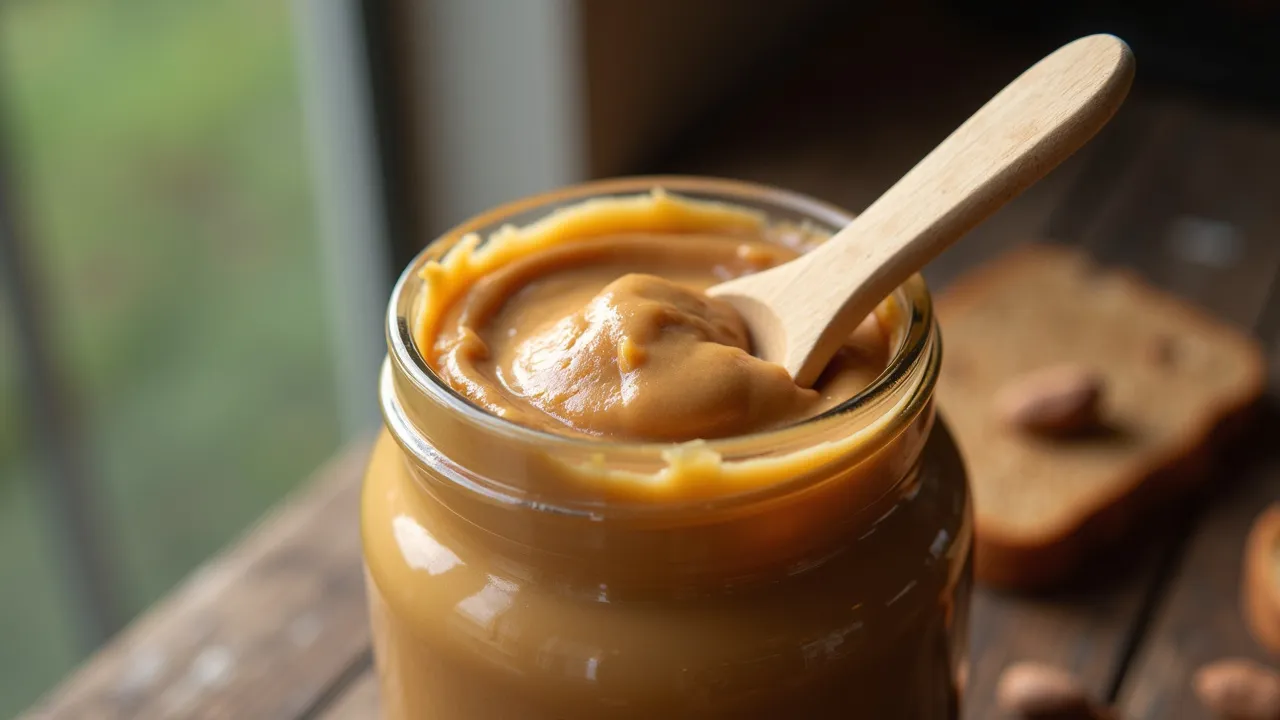
National Peanut Butter Lover's Day, observed on March 1st, honors the creamy, nutty spread loved worldwide. Celebrate with recipes, history, and fun facts about this iconic food.
The Historical Origins & Evolutionary Journey
National Peanut Butter Lover's Day, celebrated annually on March 1st, is a tribute to one of the world's most beloved spreads. To understand this observance, we must first explore the rich history of peanut butter itself and the evolution of its dedicated fan base.
The Foundational Catalyst: Invention of Peanut Butter
Peanut butter's story begins long before the first official celebration. Marcellus Gilmore Edson of Canada patented a process for making peanut paste in 1884, but it was Dr. John Harvey Kellogg who popularized a version for sanatorium patients in 1895. However, the modern creamy spread we know today was perfected by Dr. Ambrose Straub in 1903 and later by Joseph Rosefield in 1922, who introduced hydrogenation to prevent separation. The early 20th century saw peanut butter become a staple at the 1904 St. Louis World's Fair, eventually reaching every American household.
The Legislative/Official Adoption of the Observance Day
While the exact origin of National Peanut Butter Lover's Day is somewhat informal, it is widely believed to have been established in the mid-1990s by peanut butter enthusiasts and industry groups. The National Peanut Board (founded in 1996) played a key role in promoting the day as a marketing opportunity to boost consumption. By the early 2000s, it gained official recognition on many national day calendars, though it remains an unofficial, food-centric holiday rather than a government-proclaimed one. The chosen date, March 1st, strategically falls just before the spring season when peanut butter's versatility in snacks shines.
Modern Global Legacy
Today, National Peanut Butter Lover's Day transcends borders. While overwhelmingly celebrated in the United States (which consumes about 700 million pounds annually), it has spawned international events and social media trends. The day now includes charitable components, such as donating peanut butter to food banks, and educational campaigns about peanut allergies and sustainable farming. What started as a simple promotional day has evolved into a moment of cultural appreciation for a spread that unites generations.
How to Celebrate National Peanut Butter Lover's Day
March 1st offers a perfect excuse to indulge in peanut butter's many forms. Whether you prefer classic peanut butter sandwiches, gourmet recipes, or community-driven activities, here is a comprehensive guide to celebrating the day like a true enthusiast.
Individual Celebration Ideas
- Taste Test Challenge: Sample different brands—creamy versus crunchy, natural versus processed—and rate them. Document the experience to share on social media.
- DIY Peanut Butter: Make your own using roasted peanuts, a food processor, and a pinch of salt. Experiment with add-ins like honey, cocoa, or chili flakes.
- Bake Peanut Butter Treats: Whip up classic peanut butter cookies, no-bake energy balls, or peanut butter brownies. Share with neighbors.
Community and School Activities
- Peanut Butter Drive: Organize a collection of unopened peanut butter jars for local food banks. Many shelters report that peanut butter is one of the most requested items.
- Educational Workshops: Schools can host sessions on peanut farming, nutrition, and the science of emulsification. Pair with a tasting event.
- Peanut Butter Art: Use peanut butter as a medium for edible art projects—paint on crackers, sculpt mini figures, then eat the creations.
Corporate and Social Media Rituals
Businesses can engage customers with peanut butter-themed promotions: bakeries offer limited-edition pastries, restaurants create special peanut butter burgers or satay sauces. On social media, use hashtags like #NationalPeanutButterLoversDay to share recipes, memories, and funny peanut butter moments. Many influencers host live cooking shows featuring peanut butter as the star ingredient.
Global Variations
While the day is predominantly North American, other countries have adapted it. In Canada, it aligns with Maple and Peanut Butter Week. In Australia, fans celebrate with Vegemite-and-peanut-butter hybrid sandwiches. In parts of Asia, peanut butter is used in savory dishes like satay and noodles, and the day highlights these cultural fusions.
Health and Nutritional Insights
Peanut butter is not only delicious but also packed with nutrients. On National Peanut Butter Lover's Day, many take the opportunity to explore its health profile and debunk myths.
Key Nutritional Benefits
- Protein Power: Two tablespoons provide about 8 grams of protein, making it an excellent plant-based protein source for vegetarians.
- Heart-Healthy Fats: The monounsaturated and polyunsaturated fats help reduce bad cholesterol levels when eaten in moderation.
- Vitamins and Minerals: Rich in vitamin E, magnesium, potassium, and B vitamins, peanut butter supports immune function and energy metabolism.
Common Misconceptions
One major concern is fat content—while it is calorie-dense, the fat is mostly unsaturated. Another is allergen safety; peanut allergies affect about 2% of children, and early introduction may actually reduce risk. Always check labels for added sugars and hydrogenated oils.
Dietary Integration
Peanut butter can fit into various diets: keto (choose natural, low-carb), vegan (perfect as a dairy alternative), and gluten-free (check for cross-contamination). On March 1st, dietitians often share tips on portion control and creative pairing with fruits, vegetables, and whole grains.
Global Impact and Cultural Significance
Peanut butter's reach extends far beyond the United States. National Peanut Butter Lover's Day serves as a lens through which we examine its global footprint—from farming economies to culinary traditions.
Economic and Agricultural Roots
The global peanut market is valued at over $40 billion, with peanuts grown in over 100 countries. China and India are the largest producers, but the US leads in peanut butter production. The day draws attention to the livelihoods of millions of farmers, many in developing regions, and the importance of sustainable practices.
Cultural Adaptations
- West Africa: Peanut butter (maafé) is a key ingredient in stews and sauces, often served with rice or fufu.
- Southeast Asia: Peanut sauce is iconic in satay and gado-gado dishes, blending sweet, savory, and spicy flavors.
- Europe: In the Netherlands, peanut butter (pindakaas) is a breakfast staple on bread, sometimes with chocolate sprinkles.
Social Media and Awareness
March 1st campaigns often highlight peanut allergy awareness, product labeling, and safe handling practices. Organizations like the National Peanut Board launch educational initiatives that reach millions, fostering a global community of peanut butter lovers.
Economic Importance and Industry Trends
The peanut butter industry generates billions in revenue annually, and National Peanut Butter Lover's Day functions as a major marketing event. Understanding its economic role reveals why this day matters to businesses and consumers alike.
Market Statistics
- US Consumption: Americans eat 1.5 billion pounds of peanut butter each year, enough to coat the floor of the Grand Canyon.
- Brand Dominance: Top brands—Jif, Skippy, Peter Pan—control over 70% of the market, but natural and organic segments are growing rapidly.
- Employment: The peanut industry supports over 30,000 jobs in the US alone, from farming to processing to retail.
Innovations and Challenges
Recent trends include flavored peanut butters (honey, chocolate, spicy), high-protein variants for athletes, and eco-friendly packaging. Challenges include fluctuating peanut crop yields due to climate change and rising awareness of peanut allergies, which drive development of allergen-free alternatives. On March 1st, companies often launch new products or promotional campaigns, leveraging the day's popularity to boost sales.
Future of Peanut Butter Culture
As we look ahead, National Peanut Butter Lover's Day will likely evolve alongside changing consumer preferences and global trends. Three key areas will shape its future.
Sustainability and Ethical Sourcing
Consumers increasingly demand traceable, sustainable peanut production. Initiatives like the Peanut Sustainability Initiative promote water conservation, fair wages, and reduced carbon footprint. Future celebrations may emphasize supporting brands that prioritize these values.
Health and Wellness Integration
Peanut butter is adapting to functional food trends—fortified with probiotics, adaptogens, or plant-based protein blends. The day could become a platform for educating about gut health and immune support through peanut-based products.
Digital Engagement
Virtual events, augmented reality peanut butter recipes, and global tasting kits shipped worldwide could turn March 1st into a multi-platform experience. Influencer collaborations and user-generated content will continue to drive awareness, making the day more interactive and inclusive.
Historical Timeline
Marcellus Gilmore Edson patents the first peanut paste process, laying groundwork for peanut butter.
Dr. John Harvey Kellogg develops a version of peanut butter for patients at the Battle Creek Sanitarium.
Dr. Ambrose Straub receives a patent for a machine that makes peanut butter with a smoother texture.
Peanut butter is introduced to the public at the St. Louis World's Fair, gaining widespread popularity.
Joseph Rosefield invents hydrogenated peanut butter, preventing oil separation and creating the modern creamy spread.
Peanut butter becomes a household staple during the Great Depression due to its affordability.
Commercial brands like Jif and Skippy enter the market, mass-producing peanut butter for the baby boom generation.
National Peanut Butter Lover's Day is first observed on March 1st, promoted by peanut butter enthusiasts and industry groups.
Natural and organic peanut butter brands emerge alongside allergen-free alternatives, expanding consumer choices.
During the COVID-19 pandemic, peanut butter sales surge as a comfort food and long-shelf-life staple.