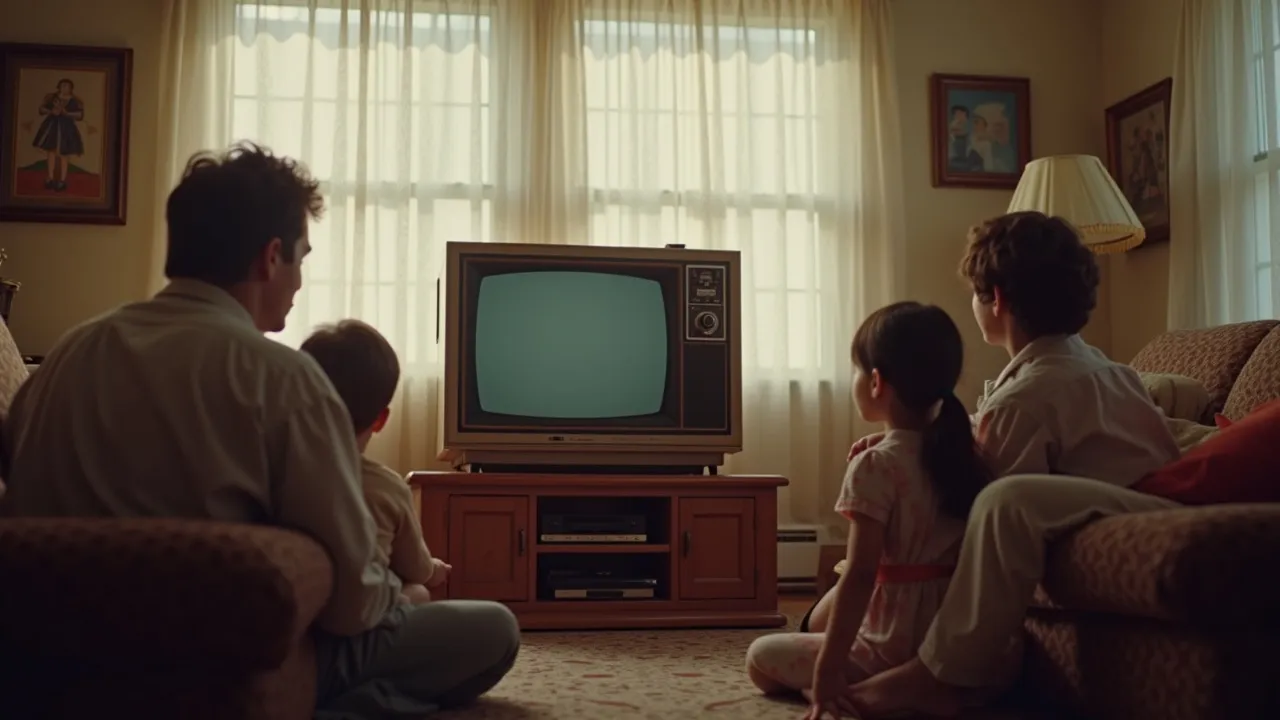
Retro Day, observed on February 27, celebrates nostalgia and the cultural artifacts of past decades. From fashion to technology, it's a day to revisit and honor the styles, music, and innovations that shaped modern life.
The Historical Origins & Evolutionary Journey
Retro Day, observed annually on February 27, is a celebration of nostalgia and the cultural touchstones of past decades. While the exact origins of Retro Day are somewhat obscure, it gained official recognition through grassroots efforts in the early 2000s, championed by nostalgia enthusiasts and the National Day Calendar organization.
The Foundational Catalyst
The concept of retro—a term derived from the Latin retro meaning 'backwards'—emerged in the 1960s and 1970s as a cultural counterpoint to rapid modernization. The post-war boom and the rise of consumer culture led to a fascination with earlier eras, particularly the 1950s. This nostalgia was fueled by television shows like Happy Days and the resurgence of rockabilly music. By the 1980s, retro had become a distinct aesthetic, with designers and artists drawing inspiration from the 1920s through the 1970s.
The Legislative/Official Adoption
In 2000, a small group of vintage enthusiasts petitioned the National Day Calendar to establish a dedicated day for celebrating retro culture. The date February 27 was chosen for its lack of major holidays, allowing the day to stand alone. The initiative gained traction through online forums and social media, and by 2005, Retro Day was listed in various day-of-the-year calendars. Unlike many official holidays, Retro Day has no government proclamation, but it is widely recognized by museums, retro-themed businesses, and online communities.
Modern Global Legacy
Today, Retro Day has evolved into a global phenomenon, with celebrations ranging from vintage car shows to 8-bit gaming tournaments. The day serves as a reminder of how past innovations and styles continue to influence contemporary design, music, and culture. It also highlights the psychological benefits of nostalgia, which studies show can boost mood and social connectedness.
How to Celebrate Retro Day
Celebrating Retro Day is about embracing the past in creative and meaningful ways. Whether you're an individual, a family, or a business, there are countless ways to participate. Below is a comprehensive guide organized by category.
For Individuals and Families
- Host a Retro Movie Marathon: Pick a decade and watch iconic films from that era. For the 1980s, consider Back to the Future or The Breakfast Club. Provide era-appropriate snacks like Jell-O desserts for the 1950s or candy cigarettes for the 1970s.
- Dress in Vintage Clothing: Raid thrift stores or your own wardrobe for styles from the 1920s flapper dresses to 1990s grunge. Organize a family fashion show.
- Play Classic Games: Dust off board games like Monopoly (original 1935 edition) or video games like Pac-Man and Super Mario Bros. For a digital twist, use emulators.
- Cook a Retro Meal: Recreate popular dishes from past decades. For the 1950s, try a classic tuna casserole; for the 1970s, a fondue party.
For Schools and Community Groups
- Organize a Retro Fair: Set up booths featuring vintage items, classic car displays, and retro arcade machines. Invite local historians to give talks.
- Hold a 'Then and Now' Exhibition: Compare technology or fashion from different decades. For example, show a rotary phone next to a smartphone.
- Decade-Themed Dance: Host a sock hop for the 1950s or a disco night for the 1970s. Encourage participants to dress accordingly.
For Businesses and Organizations
- Themed Promotions: Offer discounts on retro products or run a 'flashback' sale with prices from a past decade.
- Throwback Social Media Campaigns: Post old photos, ads, or logos. Use hashtags like #RetroDay or #ThrowbackThursday.
- Employee Appreciation with a Twist: Let employees dress from their favorite decade and have a retro potluck lunch.
Globally, celebrations vary. In Japan, Retro Day often coincides with Showa Day celebrations, focusing on 1980s pop culture. In the UK, vintage fairs and tea dances are popular. In Brazil, parties emphasize 1960s bossa nova and 1970s disco.
The Global Impact of Retro Culture
Retro culture is not just about personal nostalgia; it has significant economic, social, and psychological impacts worldwide. Industries such as fashion, music, and entertainment regularly recycle past trends, generating billions in revenue.
Economic Influence
The retro economy includes vintage clothing stores, classic car restoration, and reissued music albums. According to industry reports, the global vintage clothing market alone was valued at over $25 billion in 2023. Retro-themed restaurants and diners, like those mimicking the 1950s, also thrive, offering a unique dining experience.
Social and Psychological Benefits
Nostalgia, a key driver of retro culture, has been shown to reduce loneliness, increase optimism, and provide a sense of continuity. Celebrating Retro Day can strengthen family bonds as older generations share their memories with younger ones. In multicultural societies, retro events often become inclusive spaces where diverse age groups interact.
Environmental Sustainability
Retro culture promotes reuse and recycling. Buying vintage clothing reduces textile waste, and restoring old electronics keeps them out of landfills. Retro Day thus aligns with sustainability goals, encouraging a 'buy less, but better' mindset.
Retro Technology and Its Resurgence
From vinyl records to film cameras, retro technology has experienced a remarkable revival. This section explores the key technologies that define retro.
Vinyl Records and Hi-Fi Sound
Vinyl records, once considered obsolete, have made a strong comeback. In 2022, vinyl sales surpassed CD sales for the first time in decades. Audiophiles praise the warm, analog sound, while younger generations enjoy the tactile experience of album art and liner notes. Record Store Day, held in April, complements Retro Day.
Film Photography
Despite the dominance of digital cameras, film photography is undergoing a renaissance. Brands like Kodak and Fujifilm have reopened film production lines. Polaroid instant cameras are particularly popular among millennials and Gen Z, who value the tangible, imperfect results.
Classic Video Games
The retro gaming market is booming, with companies like Nintendo releasing miniaturized versions of classic consoles (e.g., NES Classic Edition). Emulation and ROMs allow players to experience thousands of old games. Retro gaming tournaments often feature titles like Street Fighter II and The Legend of Zelda.
Retro Fashion and Design
Fashion and interior design are perhaps the most visible expressions of retro culture. Each decade has distinct styles that continue to inspire modern trends.
1920s to 1940s: Elegance and Utility
The 1920s brought flapper dresses and Art Deco motifs, while the 1930s and 1940s emphasized practical yet stylish clothing due to war-time fabric rationing. Today, these eras influence high-fashion runways and vintage-inspired bridal wear.
1950s: The Birth of Teenage Fashion
The 1950s introduced poodle skirts, leather jackets, and the classic 'greaser' look. This decade's fashion is characterized by bold colors, full skirts, and an emphasis on gender-specific clothing. Retro Day events often feature 1950s-themed diners and sock hops.
1970s: Disco and Bohemian
The 1970s offered a mix of bohemian maxi dresses, flared jeans, and disco glitter. This style has seen a resurgence in recent years, with brands like Anthropology and Free People channeling the free-spirited vibe.
1990s: Grunge and Minimalism
Grunge, made famous by bands like Nirvana, brought plaid shirts, ripped jeans, and combat boots. Meanwhile, minimalist fashion, inspired by Calvin Klein, featured slip dresses and clean lines. The 1990s are particularly nostalgic for millennials.
In interior design, retro style often incorporates mid-century modern furniture, vintage wallpaper, and iconic pieces like the Eames lounge chair. Retro Day is a perfect time to redecorate with thrifted finds.
Retro Day in Media and Entertainment
Media and entertainment play a central role in shaping and celebrating retro culture. From movies to music, the past is constantly reimagined.
Film Revivals
Hollywood frequently reboots or sequels classic films, such as Top Gun: Maverick and Ghostbusters: Afterlife. Retro Day often sees theaters hosting special screenings of beloved old movies, sometimes with live commentary or Q&A sessions.
Music Nostalgia
Music from past decades dominates streaming playlists. The Beatles, Queen, and David Bowie remain among the top-selling artists. Annual music festivals like Coachella often feature legacy acts from the 1980s and 1990s. Retro Day encourages radio stations to play 'oldies' all day.
Television Throwbacks
Streaming platforms make it easy to binge-watch classic TV shows like Friends, Seinfeld, and The Simpsons. On Retro Day, many channels run marathons of popular series from the 1970s through the 1990s.
Social media amplifies the celebration: users post old photos under #RetroDay, share memories, and create digital content that mimics analog formats (e.g., VHS filters).
Historical Timeline
The term 'retro' is first used in cultural context to describe the revival of earlier styles, particularly 1920s fashion.
The first 'nostalgia wave' is identified by sociologists, driven by the popularity of the film 'American Graffiti' and the TV show 'Happy Days'.
The phrase 'Retro Day' is used informally in a New York Times article about vintage TV reruns.
The National Day Calendar is founded, later serving as a platform for Retro Day recognition.
Retro Day is first officially listed as an observance on February 27 by the National Day Calendar, following a petition from vintage enthusiasts.
Retro Day gains traction through online communities, with dedicated websites and forums sharing celebration ideas.
The rise of social media platforms like Facebook and Twitter make Retro Day a global trend, with millions using hashtags.
Retro Day is recognized by major brands; companies like Coca-Cola and Pepsi release limited-edition retro packaging.
During COVID-19 lockdowns, Retro Day sees record participation as people seek comfort in nostalgia. Virtual events become popular.
Retro Day is celebrated in over 50 countries, with events ranging from vintage car rallies to 8-bit gaming tournaments.