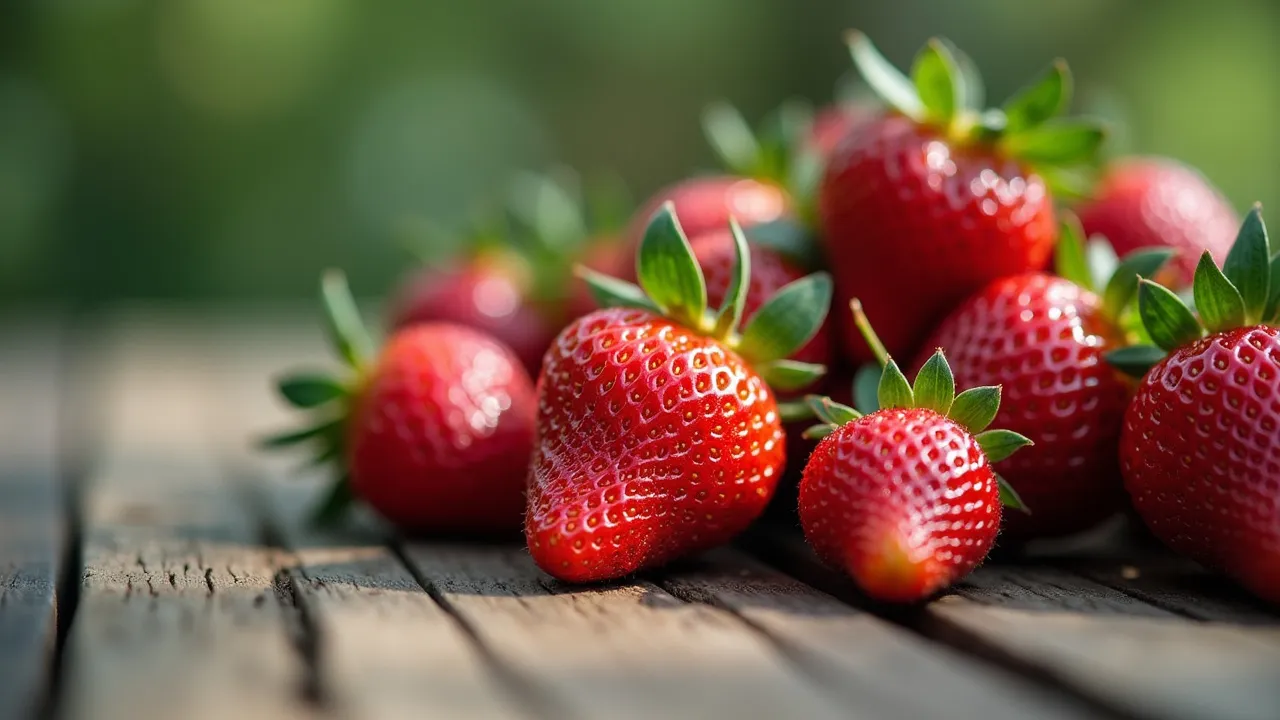
Celebrate National Strawberry Day on February 27th, a day dedicated to the vibrant, sweet fruit enjoyed worldwide. Learn about its history, health benefits, and delicious ways to enjoy strawberries.
The Historical Origins & Evolutionary Journey
National Strawberry Day, observed annually on February 27th, celebrates one of the world's most beloved fruits. The exact origins of the day remain somewhat obscure, but it is widely believed to have been popularized in the United States during the late 1980s as a marketing initiative by the strawberry industry. The day was chosen to occur in late February, a time when strawberry season begins in many warmer regions, making it a perfect moment to honor the fruit.
The Foundational Catalyst
Strawberries have a rich history dating back centuries. Native to temperate regions across the globe, wild strawberries were enjoyed by ancient Romans and used for medicinal purposes. The modern garden strawberry (Fragaria × ananassa) emerged in the 18th century in France, when a cross between a North American variety and a Chilean variety produced the large, flavorful berries we know today. This hybrid quickly spread across Europe and later to other continents.
The Legislative/Official Adoption
While National Strawberry Day is not a federally recognized holiday in the United States, it has gained widespread acknowledgment through agricultural organizations and food enthusiasts. The day is often promoted by the US Department of Agriculture and various state strawberry commissions to encourage consumption and support local farmers. In some regions, local proclamations have declared February 27th as a day to celebrate the fruit's cultural and economic significance.
Modern Global Legacy
Today, National Strawberry Day is observed across many countries, often aligning with local harvest seasons. In Japan, for instance, strawberry-themed events occur throughout the year, but February 27th is especially noted for strawberry desserts. The day has evolved into a pop culture phenomenon, with social media campaigns, special menus at restaurants, and retail promotions. It serves as a reminder of the fruit's health benefits and agricultural importance.
How to Celebrate National Strawberry Day
National Strawberry Day offers myriad ways to enjoy and honor this fruit. Whether you're an individual, a family, or an organization, here are some engaging activities and traditions.
For Individuals and Families
- Visit a local strawberry farm or pick-your-own patch to experience the joy of harvesting fresh berries.
- Prepare a strawberry-themed meal, such as strawberry pancakes for breakfast, strawberry spinach salad for lunch, and strawberry shortcake for dessert.
- Create strawberry-based crafts like painted strawberry rocks, strawberry-scented candles, or strawberry-shaped soaps.
For Schools and Educational Groups
- Organize a strawberry dissection lab to teach students about fruit anatomy and plant biology.
- Host a strawberry cook-off where students create unique recipes using strawberries.
- Arrange a field trip to a strawberry farm or a farmer's market to learn about agriculture and local food systems.
For Corporate and Community Organizations
Companies can sponsor strawberry-themed events, donate strawberries to local food banks, or launch healthy eating campaigns. Restaurants can feature special strawberry menus, and retailers can offer discounts on strawberry products. Social media challenges like #StrawberryDay encourage sharing creative uses of strawberries.
Health Benefits of Strawberries
Strawberries are not only delicious but also packed with nutrients. They are an excellent source of vitamin C, manganese, folate, and potassium. One cup of strawberries provides more than 100% of the daily recommended intake of vitamin C, which supports immune function and skin health.
Antioxidant Powerhouse
The high levels of antioxidants, such as ellagic acid and various flavonoids, help reduce oxidative stress and inflammation. Regular consumption of strawberries has been linked to lower risk of chronic diseases, including heart disease and certain cancers.
Heart Health
Studies indicate that strawberries can improve cholesterol levels, lower blood pressure, and reduce the risk of cardiovascular events. Their fiber and potassium content contribute to heart health.
Blood Sugar Regulation
Despite their sweetness, strawberries have a low glycemic index and can help stabilize blood sugar levels when eaten as part of a balanced diet. The fiber and polyphenols slow glucose absorption.
Digestive Wellness
Strawberries are a good source of dietary fiber, which promotes healthy digestion and regular bowel movements. They also contain prebiotics that nourish beneficial gut bacteria.
Culinary Uses and Global Recipes
Strawberries are incredibly versatile in the kitchen. They can be eaten fresh, frozen, dried, or preserved. From sweet desserts to savory salads, the fruit enhances a wide range of dishes.
Classic Desserts
- Strawberry Shortcake: A quintessential American dessert with layers of sweet biscuits, fresh strawberries, and whipped cream.
- Strawberry Tarts: French-inspired tarts with pastry cream and glazed strawberries.
- Chocolate-Covered Strawberries: A romantic treat and party favorite.
Savory Dishes
Strawberries add a burst of flavor to salads, salsas, and even grilled meats. Try a strawberry balsamic glaze on chicken or a strawberry and goat cheese salad with walnuts.
International Variations
In Japan, strawberries are often used in ornamental sweets like strawberry daifuku (mochi wrapped around a strawberry). In Italy, strawberries are paired with balsamic vinegar as a simple dessert. Mexican cuisine features strawberries in agua frescas and spicy chamoy sauces.
Economic and Agricultural Impact
Strawberry cultivation is a major agricultural sector globally. The top producers include the United States (especially California and Florida), Mexico, Spain, and Turkey. In the US, the strawberry industry contributes billions of dollars to the economy and supports thousands of jobs.
Farming Practices
Strawberries are typically grown in raised beds with plastic mulch to control weeds and conserve moisture. Many farms use integrated pest management to reduce chemical inputs. Organic strawberry production is also growing in popularity.
Sustainability Challenges
Strawberry farming can be resource-intensive, requiring significant water and labor. The industry faces issues like soil borne diseases and the need for fumigants. However, innovations in hydroponics and vertical farming are emerging to address these challenges.
Market Trends
Demand for fresh strawberries remains high year-round due to imports from warmer climates. Frozen and processed strawberries are also important segments. National Strawberry Day helps boost sales and awareness at a time when domestic production is ramping up.
Environmental Symbolism and Cultural Significance
Throughout history, strawberries have symbolized purity, passion, and fertility. In medieval art, strawberries often represented righteousness. Today, they are associated with romance and indulgence.
Folklore and Traditions
In some European cultures, sharing a double strawberry (two berries fused) was considered a love charm. In Native American traditions, strawberries were used in ceremonial dishes and as a symbol of peace.
Modern Media
Strawberries appear frequently in movies, music, and advertising as symbols of sweetness and summer. The phrase "strawberry fields forever" from The Beatles evokes nostalgia and peace. National Strawberry Day continues this cultural legacy by encouraging people to savor the fruit and its meanings.
Historical Timeline
French explorer Amédée-François Frézier brings a Chilean strawberry plant to France, leading to the development of the modern garden strawberry (Fragaria × ananassa).
National Strawberry Day is first promoted in the United States, likely by the strawberry industry, to encourage consumption during the winter season.
Strawberry production in the United States reaches a record 2.8 billion pounds, driven by advances in cultivation and year-round growing regions.
The United Nations Food and Agriculture Organization reports that global strawberry production exceeds 10 million metric tons for the first time.
National Strawberry Day trends on social media with over 1 million posts using #NationalStrawberryDay, showing the day's growing popularity.