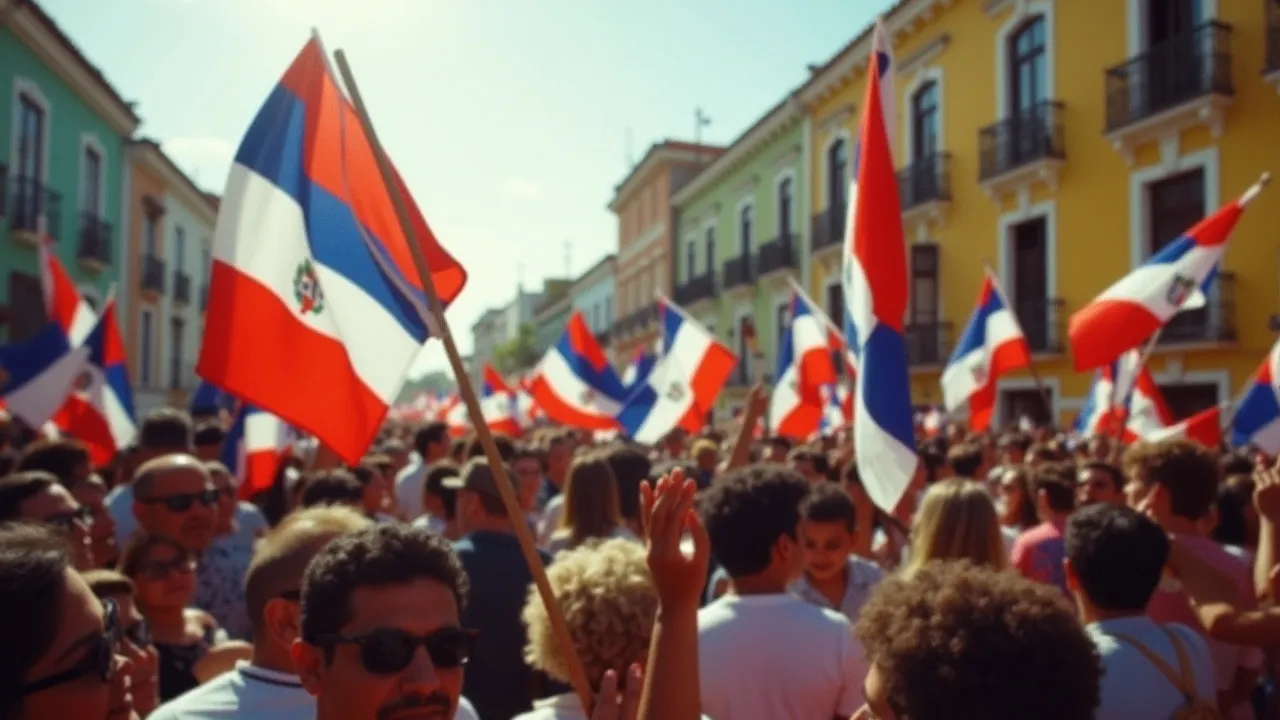
Dominican Republic Independence Day on February 27th marks the nation's 1844 separation from Haiti. It honors founding fathers Duarte, Sánchez, and Mella with parades, flags, and patriotic celebrations across the country.
The Historical Origins & Evolutionary Journey
Dominican Republic Independence Day, observed annually on February 27th, commemorates the nation's independence from Haitian rule in 1844. This pivotal event ended a 22-year occupation and established the Dominican Republic as a sovereign state.
The Foundational Catalyst
The roots of independence trace back to the early 19th century. After the Haitian occupation in 1822, a secret society called La Trinitaria was founded on July 16, 1838, by Juan Pablo Duarte. Its members, including Francisco del Rosario Sánchez and Matías Ramón Mella, plotted to overthrow Haitian control. The movement gained momentum through clandestine meetings and a growing desire for self-governance.
The Declaration of Independence
On February 27, 1844, at the Puerta del Conde in Santo Domingo, the patriots proclaimed independence. Matías Ramón Mella famously fired the blunderbuss (trabuco) at the gate, signaling the start of the uprising. The Haitian president, Charles Rivière-Hérard, attempted to quell the rebellion but failed. By March, the Dominican forces secured key victories, leading to the recognition of the new nation.
Modern Global Legacy
Today, Independence Day is a national holiday filled with parades, military displays, and cultural events. Dominicans worldwide celebrate with traditional music, food, and flag-waving. The day also serves as a reminder of the ongoing struggle for sovereignty and national identity.
How to Celebrate Dominican Republic Independence Day
Celebrating Dominican Republic Independence Day involves a mix of patriotic rituals, community gatherings, and cultural immersion. Here are some definitive ways to observe the day:
Traditional Ceremonies
- Flag hoisting: Raise the Dominican flag at sunrise and sing the national anthem. This is done in homes, schools, and government buildings.
- Military parade: Attend the grand parade in Santo Domingo along the Malecón, featuring soldiers, historical reenactments, and marching bands.
- Church services: Many attend Te Deum masses to give thanks for independence.
Cultural Activities
- Try traditional dishes like moro de guandules (rice with pigeon peas) and pollo guisado (stewed chicken).
- Listen to merengue and bachata music, which are central to Dominican identity.
- Visit historical sites such as Puerta del Conde and the Museo de la Independencia.
Celebrating Abroad
Dominican diaspora communities organize festivals in cities like New York, Miami, and Madrid. These include parades, cultural fairs, and flag displays. Participate in local events or host a gathering with Dominican food and music.
Global Impact and Recognition
While primarily a national holiday, Dominican Republic Independence Day has global resonance due to the diaspora. The United Nations recognizes the day as a time to reflect on self-determination and anti-colonial struggles. Many countries with Dominican communities, such as the United States and Spain, hold official commemorations. The day also highlights the historical ties between Hispaniola's two nations—Dominican Republic and Haiti—and the complex legacy of colonial borders.
In recent years, the day has been used to promote tourism, with special events and discounts at resorts. It also serves as a platform for cultural diplomacy, showcasing Dominican art, music, and cuisine to international audiences.
Core Societal Themes
Independence Day embodies several core themes:
- National Identity: The day reinforces pride in Dominican heritage, including Taíno, African, and Spanish influences.
- Resilience: It honors a successful struggle against occupation, inspiring generations to value freedom.
- Unity: Despite political divisions, the holiday unites Dominicans across social classes and regions.
- Historical Memory: It reminds the nation of its founding figures and the sacrifices made for sovereignty.
Schools focus on teaching the history of La Trinitaria, while media runs documentaries and special programs. Public debates also emerge about the current state of independence and economic sovereignty.
Industry Transformations Tied to the Observance
Dominican Republic Independence Day significantly impacts several industries:
Tourism
The holiday boosts domestic tourism, with many Dominicans traveling to Santo Domingo for the parades. Hotels and airlines offer special packages, and the government uses the day to promote the country as a travel destination. International visitors often time their trips to experience the festivities.
Media and Entertainment
Television networks air patriotic programming, historical dramas, and concerts. The music industry releases songs celebrating independence, and merengue festivals coincide with the date. Social media sees a surge in content using hashtags like #27F and #IndependenciaRD.
Retail and Food
Retailers run sales on flags, apparel, and decorations. Restaurants feature special menus with traditional dishes, and bakeries sell Dominican desserts like habichuelas con dulce. The food industry capitalizes on the surge in family gatherings.
Cultural Significance and Symbolism
The Dominican flag is the central symbol of Independence Day. Designed by Juan Pablo Duarte, it features a white cross with blue and red quarters. The blue represents liberty, the red represents the blood of heroes, and the white cross represents salvation. The national coat of arms, with a shield and Bible, underscores the country's religious foundation.
The celebration also involves the Flame of Independence, a ceremonial torch lit at Puerta del Conde. Traditional dances like perico ripiao and folkloric performances reenact the events of 1844. The day is a living example of how historical memory is preserved and adapted in modern society.
Historical Timeline
Haiti occupies the eastern part of Hispaniola, unifying the island under Haitian rule.
Juan Pablo Duarte founds La Trinitaria, a secret society dedicated to achieving Dominican independence.
La Trinitaria gains support amid a revolt against Haitian President Boyer. The movement expands.
Dominican patriots led by Duarte, Sánchez, and Mella proclaim independence at Puerta del Conde in Santo Domingo.
The first Dominican Constitution is adopted in San Cristóbal on November 6, establishing a democratic framework.
Dominican Republic voluntarily re-annexes to Spain due to internal conflicts, ending a period of independence.
The Dominican Restoration War results in the restoration of independence from Spain.
Rafael Trujillo takes power, leading to a dictatorship that lasts until 1961. Independence Day celebrations are heavily nationalistic under his regime.
After Trujillo's assassination, the first democratic elections are held. Independence Day becomes a symbol of renewed hope.
Independence Day is marked by large-scale parades and international recognition. Dominican diaspora communities expand celebrations worldwide.