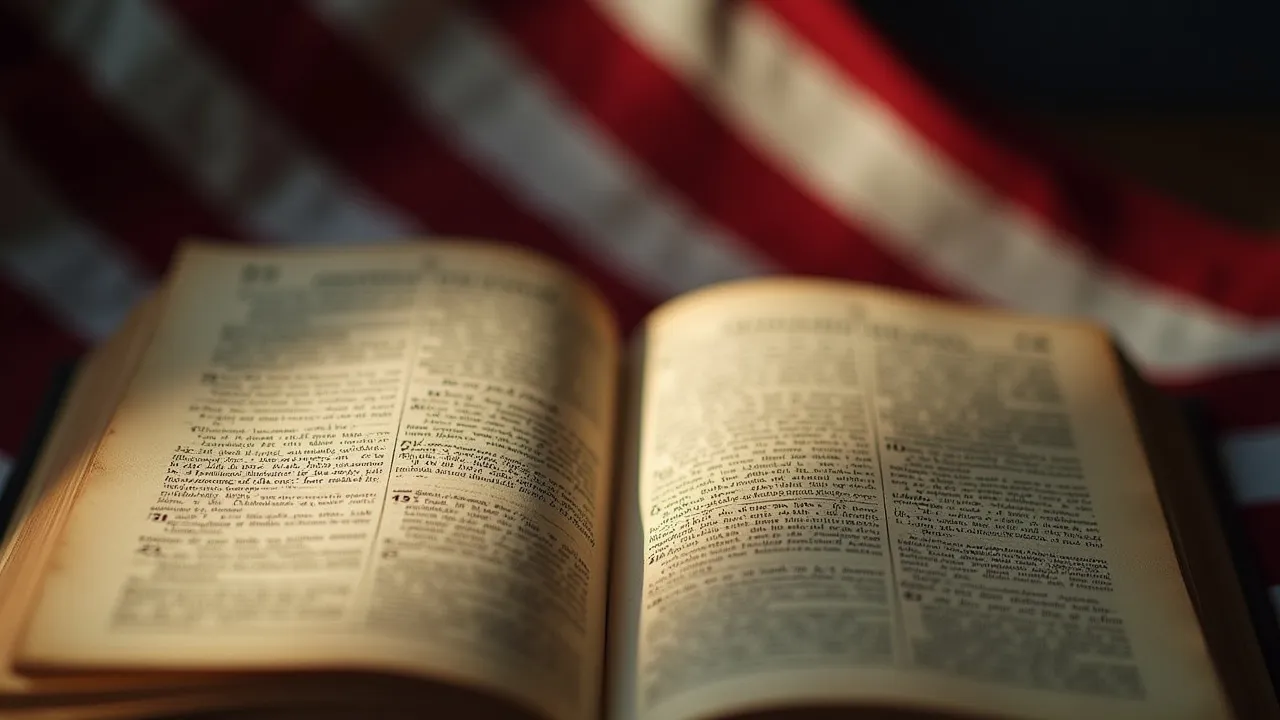
Religious Freedom Day, observed on January 16th, honors the passage of the Virginia Statute for Religious Freedom in 1786, a cornerstone of the First Amendment. It celebrates the fundamental right to worship according to one's conscience.
The Historical Origins & Evolutionary Journey
Religious Freedom Day commemorates the enactment of the Virginia Statute for Religious Freedom on January 16, 1786. Drafted by Thomas Jefferson in 1777, the statute disestablished the Church of England in Virginia and guaranteed religious liberty for all. It was a radical document for its time, asserting that "no man shall be compelled to frequent or support any religious worship, place, or ministry whatsoever."
The Foundational Catalyst
The statute emerged from the struggle for religious liberty in colonial America. Before the American Revolution, Virginia had an official state church. Baptists, Presbyterians, and other dissenters faced persecution. Jefferson's bill aimed to protect the freedom of conscience, laying the groundwork for the First Amendment's religion clauses.
The Legislative Adoption
After years of debate, the Virginia General Assembly passed the statute in 1786, thanks in large part to James Madison's leadership. Madison later championed the Bill of Rights in the U.S. Constitution. The statute influenced the Establishment and Free Exercise Clauses of the First Amendment.
Modern Global Legacy
President George H.W. Bush first proclaimed Religious Freedom Day in 1993, urging Americans to observe the day with ceremonies and activities. Since then, each president has issued an annual proclamation. The day serves as a reminder of the ongoing need to protect religious liberty worldwide.
How to Celebrate Religious Freedom Day
Religious Freedom Day can be observed in numerous meaningful ways that promote understanding and respect for diverse faiths. Below are actionable strategies for individuals, schools, and organizations.
For Individuals and Families
Attend interfaith events or services in your community.
Read the Virginia Statute for Religious Freedom and discuss its significance with family.
Visit a house of worship different from your own to learn about other traditions.
Volunteer with organizations that defend religious liberty.
For Schools and Educators
Organize a classroom discussion on the history of religious freedom in America.
Assign students to research the religious diversity in their local community.
Invite speakers from various faith backgrounds to share their perspectives.
Create a bulletin board highlighting the First Amendment's protection of religious exercise.
For Organizations and Workplaces
Hold a lunch-and-learn on religious accommodation policies.
Encourage employees to share their faith traditions in a respectful manner.
Review company policies to ensure they respect religious diversity.
Partner with local interfaith councils to sponsor community events.
Global Impact & International Perspectives
While Religious Freedom Day is a U.S. observance, its principles resonate globally. Many countries face challenges in protecting religious minorities. The day serves as a catalyst for discussions about international religious freedom.
Religious Freedom Around the World
According to Pew Research, restrictions on religious beliefs and practices have increased in recent years. In countries like China, Iran, and Saudi Arabia, religious freedom is severely limited. Conversely, nations such as Canada, Germany, and India have robust legal protections, though challenges persist.
International Observances
Countries like Canada celebrate their own religious freedom days. The United Nations' Universal Declaration of Human Rights guarantees freedom of thought, conscience, and religion. Activists use January 16th to advocate for persecuted individuals worldwide.
Core Themes & Societal Significance
Religious Freedom Day encapsulates several core themes essential to democratic societies. These include the separation of church and state, the right to conscience, and the principle of non-discrimination.
Separation of Church and State
The Virginia Statute was a milestone in separating civil government from religious authority. This principle prevents government endorsement of any religion and protects individuals from coercion.
Freedom of Conscience
The statute affirmed that belief is a matter of individual conscience, not governmental mandate. This idea extends to atheists and agnostics, who also enjoy freedom from compelled religious observance.
Non-Discrimination
Religious freedom requires that all faiths be treated equally under the law. No one should be favored or penalized because of their beliefs or lack thereof.
Legal Milestones & Supreme Court Cases
Since the Virginia Statute, U.S. courts have shaped religious freedom through landmark decisions. Understanding these cases helps appreciate the day's significance.
- Everson v. Board of Education (1947): Applied the Establishment Clause to states.
- Engel v. Vitale (1962): Prohibited state-sponsored prayer in schools.
- Sherbert v. Verner (1963): Established the Sherbert test for free exercise claims.
- Employment Division v. Smith (1990): Reduced protections for religious practices.
- Burwell v. Hobby Lobby (2014): Allowed closely held corporations to refuse contraception coverage on religious grounds.
Each case reflects the ongoing tension between religious liberty and other societal interests.
Industry Transformations & Corporate Implications
Religious Freedom Day also impacts the corporate world. Companies must navigate religious accommodation laws in hiring, dress codes, and scheduling.
Workplace Religious Accommodation
The U.S. Equal Employment Opportunity Commission enforces Title VII, which requires employers to accommodate religious practices unless doing so causes undue hardship. This includes prayer breaks, religious attire, and time off for holy days.
Corporate Diversity Initiatives
Many firms now include religious diversity in their inclusion programs. Some offer interfaith employee resource groups, religious holiday calendars, and flexible leave policies. These initiatives foster a respectful environment for all employees.
Historical Timeline
Thomas Jefferson drafts the Virginia Statute for Religious Freedom in Virginia.
On January 16, the Virginia General Assembly passes Jefferson's statute, disestablishing the Church of England and guaranteeing religious liberty.
The First Amendment, influenced by the Virginia Statute, is ratified, protecting free exercise of religion and prohibiting an establishment of religion.
The U.S. Supreme Court in Reynolds v. United States distinguishes belief from action, limiting religious practices that violate general laws.
Cantwell v. Connecticut incorporates the Free Exercise Clause to apply to states via the Fourteenth Amendment.
Everson v. Board of Education incorporates the Establishment Clause, setting strict separation between church and state.
Lemon v. Kurtzman establishes the Lemon test for determining if laws violate the Establishment Clause.
Employment Division v. Smith lowers the bar for laws that incidentally burden religious exercise, leading to the Religious Freedom Restoration Act (RFRA) in 1993.
President George H.W. Bush issues the first proclamation for Religious Freedom Day, and Congress passes RFRA.
Burwell v. Hobby Lobby clarifies that closely held for-profit corporations can have religious objections to providing contraception coverage.
President Joe Biden proclaims Religious Freedom Day, emphasizing protection of religious minorities and the importance of conscience rights.