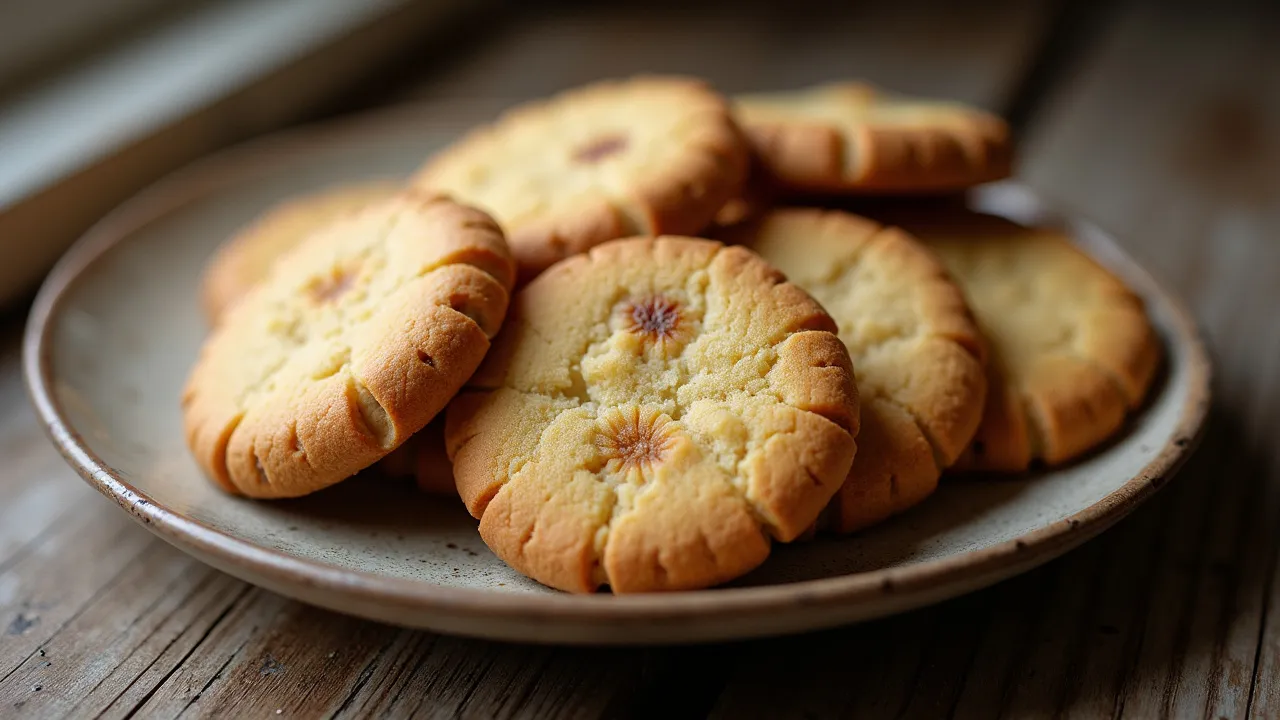
National Fig Newton Day, observed on January 16th, celebrates the iconic fig-filled pastry that has delighted Americans since the late 1800s. Learn about its origins, history, and ways to enjoy this classic treat.
The Historical Origins & Evolutionary Journey
National Fig Newton Day, observed annually on January 16th, pays homage to one of America's most beloved bakery products. The Fig Newton, a soft cookie filled with fig paste, has a rich history that intertwines with the industrialization of baking and the rise of mass-produced snacks. This section delves into the foundational stories that shaped this treat.
The Foundational Catalyst
The invention of the Fig Newton dates back to 1891, when the Kennedy Biscuit Company in Cambridgeport, Massachusetts, sought to create a healthy, convenient snack. The key breakthrough came from James Henry Mitchell, an inventor who patented a machine that could deposit jam or fruit fillings into cookie dough. This allowed for the mass production of a consistent, portable fruit-filled pastry. The company originally called them "Newtons" after the nearby town of Newton, Massachusetts. The first Fig Newtons were made with fig paste, chosen for its natural sweetness and preservative qualities, allowing the cookies to stay fresh longer.
The Legislative/Official Adoption
Unlike many modern food holidays, National Fig Newton Day was not established by government decree or large corporate marketing. Instead, it emerged organically in the early 2000s as part of the growing trend of "national food days" popularized by online calendars and social media. The National Day Calendar, a widely-referenced repository of unofficial observances, lists January 16th as the date. Its adoption was largely grassroots, driven by nostalgic consumers and the enduring popularity of Fig Newtons as a lunchbox staple. No single legislative act exists; the day remains an informal cultural celebration.
Modern Global Legacy
While the Fig Newton remains predominantly an American phenomenon, its influence has spread globally through exported products and copycat recipes. In the 21st century, the brand has evolved to include variations like, "Fig Newtons: Fruit & Oatmeal" and "Fig Newtons: Low Sugar". The celebration of January 16th now includes social media campaigns, recipe challenges, and limited-edition packaging. Despite the rise of health-conscious eating, Fig Newtons maintain a loyal following, partially due to their use of real fruit and whole grains in some versions. The day serves as a reminder of America's rich baking heritage and the ingenuity of early food engineers.
How to Celebrate National Fig Newton Day
Celebrating National Fig Newton Day on January 16th offers a delightful opportunity to indulge in nostalgia, experiment in the kitchen, and share the joy of this classic cookie. Whether you prefer traditional store-bought versions or homemade creations, there are countless ways to honor the day. Below are structured ideas for individuals, families, and organizations.
For Individuals and Families
- Host a Fig Newton tasting party: Gather a variety of flavors (e.g., original, strawberry, apple, mixed berry) and rate them. Pair with milk, tea, or coffee.
- Bake homemade Fig Newtons from scratch: Use recipes that replicate the classic texture. Try adding spices like cinnamon or cardamom for a twist.
- Create Fig Newton art: Use the cookies as edible canvases—drizzle with chocolate, add sprinkles, or sandwich with icing for a dessert platter.
- Share on social media: Post photos with hashtags #NationalFigNewtonDay and #FigNewtonDay, sharing memories of eating them as a child.
For Schools and Organizations
- Educational workshops: Teach the history of baking and the invention of the fig filling machine. Tie in lessons about industrialization and food science.
- Fundraising bake sales: Sell homemade or branded Fig Newtons with proceeds going to a local charity. Use the day to highlight fruit-based snacks as healthy alternatives.
- Office potlucks: Encourage employees to bring Fig Newton-inspired creations, such as cheesecake bars, trifles, or milkshakes incorporating the cookie.
Global Celebration Variations
While primarily a U.S. observance, Fig Newton fan communities exist online globally. In regions where Fig Newtons are not widely available, enthusiasts can order international deliveries or make homemade versions using local figs and pastry techniques. Some celebrate by pairing Fig Newtons with traditional beverages unique to their country, such as matcha in Japan or rooibos tea in South Africa. The day is also used by food bloggers to share authentic recipes that adapt the Newton concept to local ingredients.
The Cultural Impact of Fig Newtons
Fig Newtons have quietly embedded themselves in American culture, appearing in literature, film, and everyday language. Their status as a "lunch box hero" has made them a symbol of childhood nostalgia and convenience. This section explores their cultural footprint.
In Popular Media
Fig Newtons have been referenced in numerous TV shows, such as The Simpsons and Friends, often as a quirky, wholesome snack. In film, they appear in The Breakfast Club as a comfort food. The cookie's name has even entered slang: "Newton" is sometimes used to describe a reliable, unpretentious person. In literature, authors like Stephen King have mentioned Fig Newtons in passing, grounding characters in relatable everyday moments.
Nostalgia and Memory
The familiar red packaging and soft, chewy texture evoke strong memories of childhood for many adults. Surveys show that Fig Newtons are among the top "retro snacks" that people seek out for comfort. This emotional connection drives sales and keeps the product relevant decades after its debut. National Fig Newton Day amplifies this nostalgia, encouraging consumers to revisit their past.
Influence on Modern Snacking
Fig Newtons pioneered the fruit-filled snack bar category, paving the way for products like Nutri-Grain bars and fruit turnovers. Their emphasis on real fruit purée influenced later health-oriented snacks. The brand's evolution to include whole grain and reduced sugar options reflects broader trends toward healthier snacking without sacrificing taste. The day's observance also sparks discussions about the role of processed foods in a balanced diet.
Nutritional Aspects and Variations
Fig Newtons have often been marketed as a healthier alternative to other cookies due to their fruit filling. This section examines their nutritional profile, dietary considerations, and the diverse product variations available today.
Nutritional Profile
A standard serving of two original Fig Newtons (about 30g) contains approximately 110 calories, 2g of fat, 22g of carbohydrates (including 12g of sugar), and 1g of protein. They also provide a small amount of dietary fiber (1g) and calcium. While they are lower in fat compared to chocolate chip cookies, they still contain added sugars and refined flour. However, fig paste is a source of potassium and antioxidants.
Dietary Variations
To cater to modern dietary preferences, Fig Newtons now come in several variants:
- Low Sugar - Uses artificial sweeteners and reduced sugar content.
- Fruit & Oatmeal - Made with whole grain oats and more fruit fiber.
- Organic - Made with organic flour and figs, no artificial preservatives.
- Gluten-Free - Limited edition for those with celiac disease (though not always available).
Homemade vs. Store-Bought
Homemade Fig Newtons allow for greater control over ingredients, such as reducing sugar or using fresh figs. However, they require time and effort. Store-bought versions offer convenience and consistent taste. National Fig Newton Day inspires many to try baking at home, exploring recipes that range from traditional to decadent.
Fig Newtons in Popular Culture
Beyond the kitchen, Fig Newtons have made appearances in music, advertising, and even space! This section highlights some of the most notable cultural moments featuring this cookie.
Television and Film
In the iconic 1985 film The Breakfast Club, the character Allison Reynolds (Ally Sheedy) eats Fig Newtons during detention, cementing the cookie's association with rebellious, misunderstood teens. In The Simpsons episode "Lisa the Vegetarian", Homer offers Lisa a Fig Newton as a compromise. These pop culture references reinforce the cookie's image as an unpretentious everyman's treat.
Music and Advertising
In 1995, the alternative rock band They Might Be Giants released a song titled "Fig Newton" on their album Here Come the 123s, using the cookie to teach numbers. The brand's advertising campaigns have historically emphasized wholesomeness, with slogans like "The Original Fruit Chew" and nostalgic imagery of mothers packing lunchboxes. In recent years, social media influencers have revived interest through unboxing and taste tests.
Space and Science
Fig Newtons have even traveled to space! In 2013, astronaut Thomas Marshburn tweeted a photo of Fig Newtons floating in the International Space Station, noting they were a favorite snack among the crew. This connection with exploration and science adds another layer to the cookie's legacy, appealing to both children and adults fascinated by space.
The Baking Process and Recipe Evolution
Understanding how Fig Newtons are made—both commercially and at home—reveals the careful balance of ingredients and technique that creates their distinctive texture. This section covers the evolution of recipes and the science behind the cookie.
Commercial Production
Modern Fig Newtons are produced on massive scale using continuous mixers and extruders. The dough is a soft, shortbread-like mixture of enriched flour, sugar, vegetable oil, and leavening agents. A separate fig paste is made from dried figs, corn syrup, and preservatives. The dough is extruded in a flat sheet, the fig paste is deposited in a continuous strip, and the dough is folded over and cut into individual pillows. The cookies are then baked at high temperature for short time to maintain a soft interior. Total production lines can output thousands per minute.
Homemade Recipe Basics
To replicate the Newton at home, bakers use a dough of butter, sugar, egg, and flour, rolled thin. The fig filling is made by simmering dried figs with water, orange juice, and spices until soft, then pureed. The dough is cut into rectangles, filled, and sealed with a second layer of dough. Tips: chill the dough to prevent sticking, and use parchment paper for easy release. Many bloggers have updated the classic by adding lemon zest, vanilla, or even a cream cheese glaze.
Evolution of Flavor Variants
Since its debut, the Newton family has expanded beyond fig. Strawberry, apple, and mixed berry are common. In the 1990s, Nabisco introduced "Newton Fruit Crisps" with a crisp texture, and later "Fig Newtons 100% Whole Wheat". Limited editions have included pumpkin spice and sweet potato. The ongoing innovation keeps the brand relevant while honoring the original.
Global Fig Newton Observances and Regional Variations
While National Fig Newton Day is primarily a U.S. observance, its global influence and the universal love for fig-filled pastries have led to similar celebrations and variations around the world. This section explores regional adaptations and how different cultures embrace the concept.
Europe and the United Kingdom
In Europe, fig-filled pastries have a long history, such as Italian cucidati, Spanish pastissets, and British Fig Rolls. The British version, Fig Rolls, are very similar to Fig Newtons and have been produced by companies like McVitie's since the 1800s. Some Britons celebrate National Fig Roll Day on a different date, but January 16th has seen cross-over recognition via social media. In France, feuilleté aux figues offers a puff pastry alternative.
Middle East and North Africa
Fig-based sweets are abundant in this region. In Turkey, incir tatlısı are stuffed figs with walnuts, while in Morocco, ma'amoul includes fig fillings. Although not directly related to Fig Newtons, these traditions underscore the global appeal of fig desserts. On National Fig Newton Day, expatriates and enthusiasts in these countries often share recipes that blend local flavors with the Newton format, such as using rose water or pistachios.
Asia and Australia
In Japan, Fig Newtons are sold in import stores and have a cult following among curious foodies. Some Japanese bakers create matcha-flavored variations. In Australia, Fig Newton brand products are not as common, but homemade versions known as "fig slice" are popular. Australian food bloggers have promoted January 16th as a day to bake Australian-style fig jam rolls, which feature a buttery pastry base and fig conserve.
Overall, the essence of National Fig Newton Day—celebrating a portable, fruit-filled pastry—resonates across cultures, even if the specific date or brand differs. The day serves as a unifying concept for fruit pastry lovers worldwide.
Historical Timeline
James Henry Mitchell patents a machine for depositing fruit fillings into cookie dough. The Kennedy Biscuit Company invents the "Newton" pastry, later called Fig Newton.
The Kennedy Biscuit Company merges into the National Biscuit Company (Nabisco), which continues production of Fig Newtons nationally.
Fig Newtons are introduced to a wider audience through national advertising, becoming a staple in American households.
Nabisco redesigns the packaging with the iconic red box featuring a farmer holding figs, reinforcing the wholesome image.
Nabisco introduces the first variant: Fig Newton Fruit Chewy snacks, expanding the brand to include fruit flavors other than fig.
National Fig Newton Day emerges as an unofficial observance, promoted by food bloggers and online calendars.
Astronaut Thomas Marshburn tweets a photo of Fig Newtons aboard the International Space Station, boosting the cookie's popularity.
Nabisco releases limited edition Fig Newton varieties, including pumpkin spice and honey roasted, to celebrate the brand's 125th anniversary.