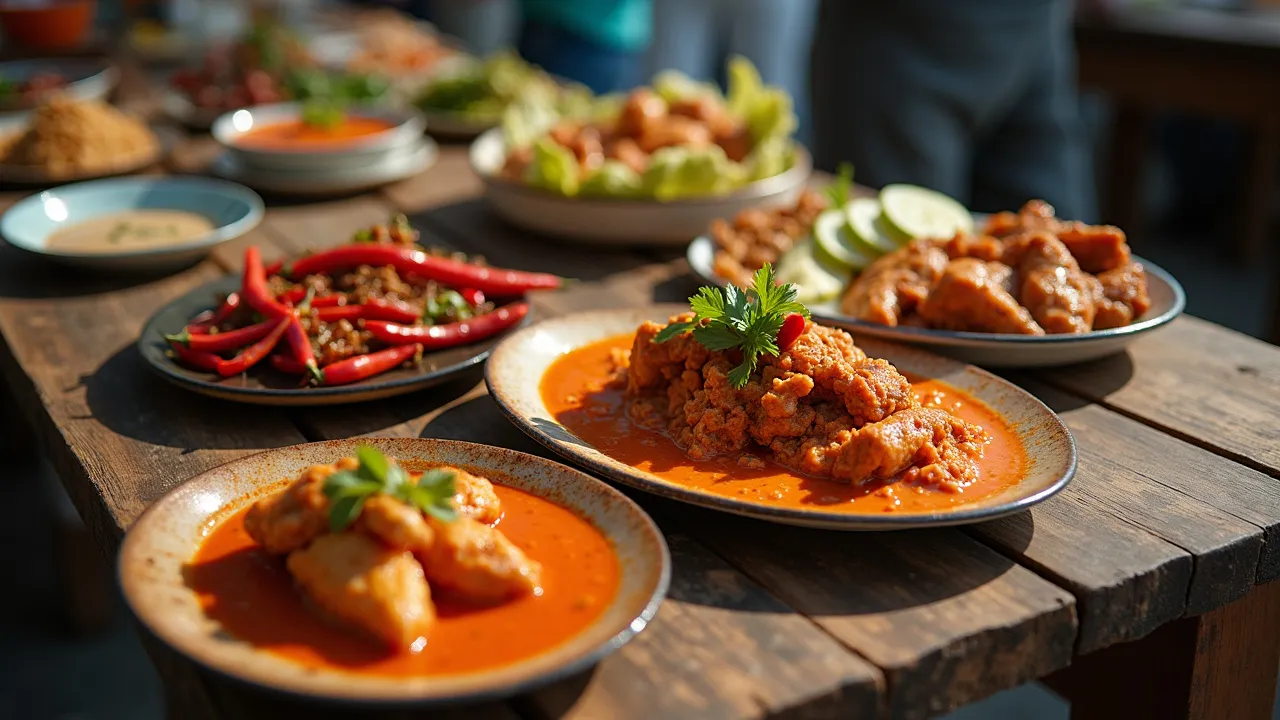
Celebrate International Hot and Spicy Food Day on January 16th by indulging in fiery flavors from around the world. Discover the history, health benefits, and global traditions of spicy cuisine.
The Historical Origins & Evolutionary Journey
International Hot and Spicy Food Day, observed on January 16th, celebrates the global love for piquant cuisine. While the exact origins of the day are unclear, it likely emerged in the early 2000s as a food holiday promoted by spice enthusiasts and hot sauce companies.
The Foundational Catalyst
Chili peppers have been used for over 6,000 years, originating in the Americas. The capsaicin compound, responsible for heat, evolved as a defense mechanism. After Columbus, peppers spread globally, transforming cuisines in Asia, Africa, and Europe.
The Official Adoption
Although not officially recognized by any government, the day gained traction through social media and food blogs. In the United States, it is often called National Hot and Spicy Food Day and promoted by hot sauce brands like Tabasco and Frank's RedHot.
Modern Global Legacy
Today, spicy food festivals, eating competitions, and charity events mark the day. It highlights the cultural significance of heat in dishes from Sichuan cuisine to Jamaican jerk.
How to Celebrate International Hot and Spicy Food Day
January 16th is the perfect day to turn up the heat. Here are ways to celebrate across different cultures:
Individual Celebrations
- Cook a spicy meal at home using fresh chili peppers, hot sauces, or spice blends.
- Host a hot sauce tasting party with friends, sampling sauces from around the world.
- Try the "One Chip Challenge" or similar spicy snack challenges.
Community & School Events
- Organize a chili cook-off at your local community center.
- Schools can host a "heat geography" day, teaching about regions known for spicy food.
- Fundraisers: Charge entries for a spicy food eating contest and donate proceeds to charity.
Corporate Celebrations
- Encourage employees to bring spicy dishes for a potluck lunch.
- Partner with a local spicy food restaurant for a team outing.
- Launch a limited-time spicy menu item or promotion.
In Thailand, people might gather for a som tam (papaya salad) challenge. In Mexico, street vendors offer extra-hot salsas. No matter where you are, the key is to appreciate the heat and camaraderie.
Health Benefits of Spicy Food
Spicy food isn't just delicious—it may boost health. Capsaicin, the active compound, has been studied for its positive effects.
Metabolism & Weight Loss
Capsaicin can increase metabolic rate and reduce appetite, aiding weight management. Studies show it burns calories by raising body temperature.
Heart Health
Regular consumption of spicy food is linked to lower risks of heart disease and stroke. It helps reduce bad cholesterol and improve blood circulation.
Pain Relief
Topical capsaicin creams are used to ease arthritis and muscle pain. It works by desensitizing nerve receptors.
Longevity
A large Chinese study found that eating spicy food 6-7 times a week reduced overall mortality risk by 14%. However, moderation is key to avoid digestive issues.
Global Spicy Cuisines: A Tour of Heat
Around the world, cultures embrace heat in unique ways. Here's a look at some iconic spicy dishes.
Asia
- Sichuan Cuisine (China): Known for mouth-numbing Sichuan peppercorns and fiery chili oil in dishes like Mapo Tofu.
- Thai Cuisine: Features bird's eye chili in curries, Tom Yum soup, and papaya salad.
- Korean Cuisine: Gochujang (chili paste) adds heat to kimchi, bibimbap, and tteokbokki.
Americas
- Mexican Cuisine: Habanero and jalapeño peppers star in salsas, tacos, and mole.
- Caribbean Cuisine: Scotch bonnet peppers bring fire to jerk chicken and pepperpot.
- Peruvian Cuisine: Aji peppers are the base for many sauces and ceviche.
Africa
- Ethiopian Cuisine: Berbere spice blend (including chili) flavors stews like Doro Wat.
- West African Cuisine: Scotch bonnet and cayenne are used in jollof rice and groundnut stew.
Each region's climate and history shaped its spice preferences, from the cooling effect of heat in tropical areas to the preservation properties of chili.
Economic Impact of the Spice Industry
The global spice market is worth over $20 billion, with chili peppers and hot sauces being major drivers. This section examines the economics behind our love for heat.
Production & Trade
India accounts for 40% of global chili production. Other top producers include China, Mexico, and Ethiopia. Spices are traded on commodity exchanges, and price volatility can affect farmers' incomes.
Hot Sauce Boom
The hot sauce industry has grown exponentially, with brands like Sriracha, Cholula, and Frank's RedHot becoming household names. Artisanal hot sauce makers have also flourished, with thousands of small-batch varieties available online.
Employment & Tourism
Spice farms and chili festivals attract tourists. The National Fiery Foods & BBQ Show in New Mexico draws thousands annually, boosting local economies. Additionally, spicy food challenges at restaurants create viral marketing opportunities.
Environmental and Ethical Considerations
As demand for spicy food rises, sustainability and ethical sourcing become important. Here's what consumers should know.
Sustainable Farming
Chili peppers can be grown organically, reducing pesticide use. However, water-intensive farming in arid regions can strain resources. Look for fair-trade certified products.
Labor Practices
Some spice harvesting relies on migrant labor, and workers may face low wages and poor conditions. Brands that support ethical sourcing, like Burlap & Barrel, provide transparency.
Climate Change Impact
Climate change alters growing seasons and may reduce yields for peppers in traditional regions. Adaptation strategies include developing heat-tolerant varieties and shifting cultivation areas.
By choosing sustainable options, consumers can enjoy spicy food while supporting responsible practices.
Historical Timeline
Chili peppers first domesticated in Mexico and Peru.
Christopher Columbus encounters chili peppers in the Caribbean and brings them to Europe.
Portuguese traders spread chili peppers to Africa, India, and Asia, revolutionizing cuisines.
Edmund McIlhenny creates the first Tabasco sauce on Avery Island, Louisiana.
Spicy food popularity surges in the US with the rise of Mexican and Asian restaurants.
The Scoville scale is refined to measure capsaicin concentration, standardizing heat levels.
International Hot and Spicy Food Day is first observed, promoted by hot sauce enthusiasts online.
Sriracha, a Thai-style hot sauce, becomes a global phenomenon, with annual sales exceeding $60 million.
The World's Hottest Pepper, Pepper X, is certified at 2.693 million Scoville Heat Units.