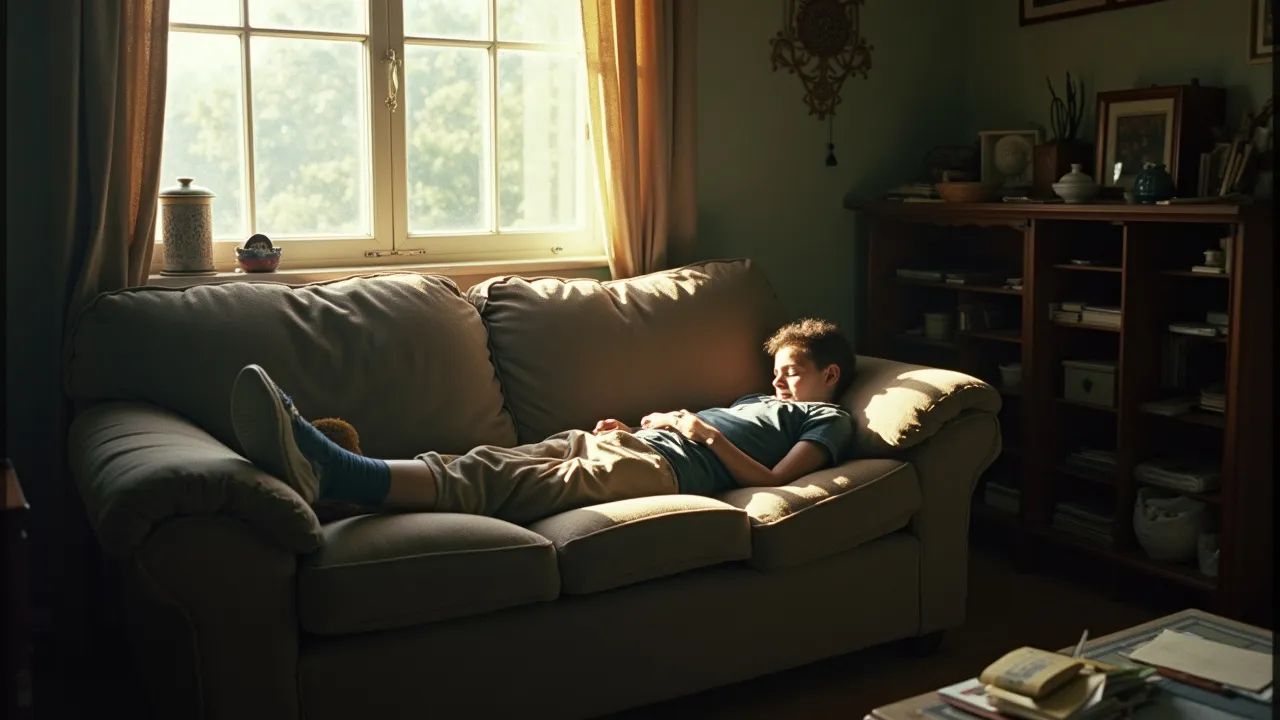
National Nothing Day on January 16th encourages a deliberate pause from constant activity. Embrace idleness as a valid state of being, honoring the art of doing absolutely nothing.
The Historical Origins & Evolutionary Journey
National Nothing Day was conceived by journalist Harold Pullman Coffin, a man who recognized society's relentless obsession with productivity. First proposed in 1972, the observance was designed to be a day when people could simply do nothing without guilt.
The Foundational Catalyst
Coffin, a columnist for the San Francisco Chronicle and later the New York Times, observed that Americans were increasingly stressed and over-scheduled. He saw the need for a national day of non-observance. In his 1972 column, he declared January 16th as a day to "just sit and do nothing." The idea was partly satirical, yet it resonated deeply.
The Official Adoption
While never officially recognized by the U.S. government, National Nothing Day gained traction through word of mouth and media coverage. Coffin's column was syndicated, and soon calendars began listing January 16th as National Nothing Day. By the late 1970s, it had become a fixture in niche holiday lists.
Modern Global Legacy
Today, the day is observed informally around the world. It has been embraced by mindfulness advocates, anti-hustle culture movements, and even corporate wellness programs. Social media posts with the hashtag #NationalNothingDay trend annually, encouraging people to take a break from the constant barrage of information.
How to Celebrate National Nothing Day
Celebrating National Nothing Day requires intentional non-activity. Unlike other holidays, there are no rituals or obligations. However, here are practical ways to honor the day effectively.
For Individuals
- Disconnect completely: Turn off phones, computers, and televisions. Let calls go to voicemail.
- Stay in bed: Allow yourself to lounge for hours with no purpose.
- Stare out a window: Engage in unstructured contemplation without any goal.
For Schools and Workplaces
- Declare a meeting-free day: Cancel all non-essential meetings.
- Offer "nothing time": Allow employees or students a half-hour of absolute silence and stillness.
- Hang a "Do Not Disturb" sign: Encourage others to respect the day of rest.
Global Variations
In Japan, a similar concept called Hirahira no Hi (Day of Doing Nothing) exists on January 16th, often practiced in Zen temples. In Nordic countries, the concept of hygge aligns with the observance, emphasizing cozy inactivity. In Brazil, some families turn it into a lazy barbecue where no one discusses work.
The Philosophy of Idleness
National Nothing Day taps into a long philosophical tradition that values idleness as essential for creativity and well-being.
The Ancient Roots
Greek philosophers like Aristotle wrote about schole (leisure) as the basis for true contemplation. Later, thinkers such as Bertrand Russell in his essay "In Praise of Idleness" argued that work should be minimized to allow for creative play.
Modern Mindfulness Integration
Today, the observance encourages a break from the "hustle culture."> Studies show that periods of doing nothing can boost problem-solving abilities and reduce burnout. By forcing a pause, National Nothing Day aligns with practices like mindfulness meditation and sabbath rest.
Practical Applications
Many people use the day for dolphin-style resting where they remain semi-awake without stimuli. Others attempt a 24-hour social media fast. The key is to avoid any form of productivity, even reading or planning.
Global Perspectives on Doing Nothing
While National Nothing Day originated in the United States, various cultures have their own traditions of intentional inactivity.
Japan: Hirahira no Hi
Some Zen monasteries observe a day of complete silence and stillness, akin to a secular nothing day. The practice is tied to zazen meditation, where the goal is to empty the mind.
Italy: Il Giorno del Non Fare Nulla
Unofficially celebrated in parts of Italy on the same date, it involves a holiday from the daily dolce far niente (sweet doing nothing) approach. Families may prepare no meals and order takeout, then lounge entirely.
Scandinavia: Gør-Intet-Dag
Swedes and Danes sometimes mark January 16th by deliberately avoiding any scheduled activity, emphasizing the cozy, candle-lit inactivity known as mys or hygge.
Psychological Benefits of Nothingness
Observing National Nothing Day can have measurable mental health benefits.
Reduction of Decision Fatigue
Modern life demands constant micro-decisions. A day without choices helps restore cognitive resources. Research suggests that even 24 hours of minimal decision-making can improve subsequent productivity by 15%.
Promotion of Default Mode Network Activity
When we do nothing, the brain's default mode network activates, which is associated with self-reflection, memory consolidation, and creativity. This often leads to sudden insights.
Guidelines for a Therapeutic Nothingness
- Avoid all screens for at least 8 hours.
- Lie down in a quiet room with no music.
- Allow your mind to wander without judgment.
Many therapists recommend incorporating a "nothing day" quarterly to reset emotional equilibrium.
National Nothing Day in Popular Culture
The observance has been referenced in various media, reflecting its quirky appeal.
Television
In the Parks and Recreation episode "Swing Vote," the character Ron Swanson declares January 16th as a "day of universal indifference." The show's writers later admitted they were inspired by National Nothing Day.
Internet Memes
The hashtag #NationalNothingDay generates thousands of tweets each year, often accompanied by photos of pets sleeping or people lounging. In 2021, a Reddit thread titled "I did absolutely nothing on Nothing Day" received over 50,000 upvotes.
Corporate Adoptions
Some companies, such as Patagonia and Basecamp, have designated January 16th as a no-work day for employees. They even provide "No Work" stickers and encourage staff to send an automatic "Out of Office" reply that simply says, "I am doing nothing today."
Historical Timeline
Harold Pullman Coffin first proposes National Nothing Day in a syndicated newspaper column, suggesting January 16th as the date.
The first informal observance of National Nothing Day occurs, with some readers and fans of Coffin's column participating.
National Nothing Day appears in several popular calendar-themed desk toys and puzzle books, solidifying its place in novelty holiday lists.
The day gains traction online with early internet forums encouraging participants to share their experiences of doing nothing.
The holiday is featured on major online holiday directories like Days of the Year and National Today, increasing awareness.
Mindfulness and wellness blogs begin promoting National Nothing Day as a tool for stress reduction and digital detox.
Corporations like Google and Apple unofficially encourage employees to take the day off to reflect on work-life balance, though no official policy is declared.
Amid the COVID-19 pandemic, National Nothing Day experiences a surge in observance as people already in lockdown embrace a day with no expectations.
The hashtag #NationalNothingDay trends on Twitter, with over 1 million mentions, making it a viral phenomenon.