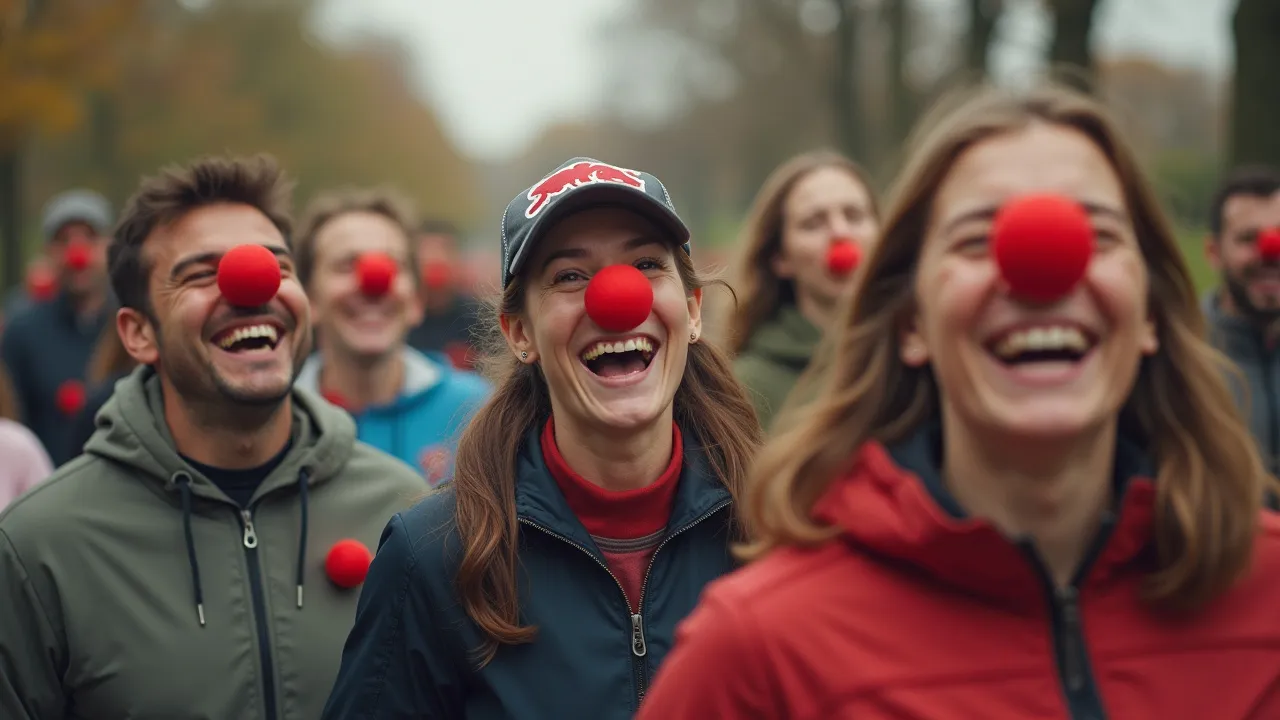
Red Nose Day (UK) is a biennial fundraising event on the third Friday in March, organized by Comic Relief. It combines entertainment and philanthropy, encouraging people to wear red noses and raise money for charitable causes.
The Historical Origins & Evolutionary Journey
Red Nose Day (UK) is a cornerstone of British philanthropy, blending entertainment with charitable giving. Its roots lie in the Ethiopian famine of the 1980s, which galvanized comedians and writers to use their talents for social good.
The Foundational Catalyst
In 1985, following the Live Aid concert, comedian Lenny Henry and writer Richard Curtis founded Comic Relief. Their vision was to create a charity that harnessed the power of comedy to raise funds for poverty and social injustice in Africa and the UK. The first Red Nose Day event took place on February 5, 1988, as a one-off telethon on BBC One. It featured sketches, stand-up, and celebrity appearances, raising £15 million.
The Legislative/Official Adoption
While not a legal holiday, Red Nose Day quickly became a national institution. The BBC committed to airing a live telethon every two years from 1989 onward, establishing the biennial pattern. The event was officially branded as Red Nose Day after the iconic red foam noses that became its symbol. Schools, workplaces, and communities participated en masse, with fundraising kits distributed nationwide.
Modern Global Legacy
Over three decades, Red Nose Day has evolved into a global phenomenon. In 2015, Comic Relief launched a US version of Red Nose Day on NBC, held in May. However, the UK event remains the flagship, consistently raising over £100 million per iteration. The 2023 Red Nose Day raised a record £70 million on the night alone, with total fundraising exceeding £1.3 billion since 1985. The event now includes digital campaigns like #MakeYourLaugh and partnerships with streaming platforms.
How to Celebrate Red Nose Day (UK)
Participation in Red Nose Day is designed to be fun and inclusive. Here is a comprehensive guide to celebrating, whether you are an individual, a school, or a corporation.
Individual Participation
- Wear a Red Nose: Purchase an official red nose from supermarkets or online. Wear it on the day to show support.
- Donate: Text a donation to the Comic Relief number, or donate via the website.
- Host a Fundraiser: Organize a bake sale, a red-themed dress-down day at work, or a ‘funny run’ in your local park.
- Watch the Telethon: Tune into BBC One on the night for live sketches, music, and emotional films showcasing the impact of donations.
School and Community Activities
- Red Nose Day Non-Uniform Day: Students pay £1 to wear red clothes and accessories.
- Comedy Show: Organize a talent show where students perform jokes, skits, or stand-up.
- Sponsored Silly Walk: Teachers do a silly walk across the school field, and students sponsor them.
- Red Nose Bake Sale: Sell red-themed cakes and cookies, with proceeds going to Comic Relief.
Corporate and Social Rituals
Many businesses hold Red Nose Day quizzes, office bake-offs, or dress-down days. Some offer matched giving, doubling employee donations. The event is also a staple on social media, with users sharing photos of their red noses using the official hashtag #RedNoseDay.
Regional Variations
While the UK event is on the third Friday in March (biennial), other countries have adopted similar initiatives. The US Red Nose Day occurs in late May, coordinated by Comic Relief USA. Canada, Germany, and Australia also host localized versions, but with different dates and formats. In the UK, the focus remains on the classic telethon and community fundraising.
The Impact of Comic Relief: Where the Money Goes
Funds raised from Red Nose Day are administered by Comic Relief, a registered UK charity. The money supports projects both in the UK and Africa, focusing on poverty, health, education, and social justice.
UK-Focused Projects
- Shelter and Homelessness: Grants to organizations providing emergency accommodation and support for rough sleepers.
- Mental Health: Funding for youth mental health services, helplines, and community hubs.
- Food Poverty: Support for food banks, community kitchens, and nutrition programs.
International Projects
- Healthcare in Africa: Building clinics, training health workers, and distributing mosquito nets for malaria prevention.
- Education: Building schools, providing scholarships, and training teachers in underserved regions.
- Gender Equality: Programs fighting female genital mutilation, child marriage, and promoting girls’ education.
Comic Relief operates with a 100% giving promise: all public donations are spent on charitable projects, with all administrative costs covered by investment income and corporate partnerships.
Celebrity Involvement and Cultural Significance
Red Nose Day is renowned for enlisting top British comedians, actors, and musicians. The telethon features exclusive sketches from Rowan Atkinson (Mr. Bean), Ricky Gervais, Catherine Tate, and David Walliams. Pop stars like Ed Sheeran and Adele have performed. The event also includes dramatic charity singles, such as the iconic "(Is This the Way to) Amarillo" by Tony Christie and Peter Kay, which raised millions.
Beyond entertainment, Red Nose Day has become a cultural touchstone, regularly referenced in British media and everyday conversation. The red nose itself is an instantly recognizable symbol of generosity.
Traditions and Iconic Moments
Over the years, certain traditions have become synonymous with Red Nose Day.
The Red Nose
The foam nose, first sold in 1988, has evolved from a simple red sphere to collectible designs featuring famous characters like Wallace and Gromit or Harry Potter. Each version has a distinct scent, adding to the nostalgia.
The Telethon
The live broadcast, hosted by BBC presenters like Graham Norton and Claudia Winkleman, includes heart-warming films from projects funded by Comic Relief. The balance of laughter and tears is deliberate, inspiring viewers to donate.
Notable Campaigns
1989: The first telephone voting appeal, allowing viewers to choose which project to fund.
2001: The launch of the Red Nose Day website, enabling online donations.
2011: The first Red Nose Day single to reach #1: "That's Not My Name" by The Ting Tings covered for Comic Relief.
2017: The introduction of #RedNoseDayLive on social media, integrating digital engagement.
Global Reach and Adaptations
Comic Relief's success has inspired similar initiatives worldwide. The US version, launched in 2015, is held in May and features American celebrities like Will Ferrell and Ellen DeGeneres. In 2023, the US event raised over $50 million. Red Nose Day also exists in Spain (Día de la Nariz Roja), Germany, and New Zealand, though often on different dates. The UK remains the heartland, with its biennial March date deeply ingrained in the national calendar.
Despite different timing, all iterations share the core mission: using laughter to change lives. The adaptability of the red nose as a universal symbol of solidarity has made it a powerful icon across cultures.
Historical Timeline
Comic Relief is founded by Richard Curtis and Lenny Henry in response to the Ethiopian famine, aiming to use comedy for charitable fundraising.
The first Red Nose Day telethon airs on BBC One on February 5, raising £15 million for African famine relief and UK social issues.
Red Nose Day becomes a biennial event, with the second telethon in March 1989. The iconic red foam nose is introduced and becomes a symbol of the campaign.
Red Nose Day achieves its then-highest total of £27 million, with major contributions from celebrity sketches and the 'Red Nose Day' single 'The Living Years'.
The first official Red Nose Day website launches, enabling online donations and digital engagement, significantly expanding fundraising reach.
Red Nose Day raises over £100 million for the first time, with a record £108 million in donations, bolstered by a massive telethon and social media campaign.
Comic Relief launches Red Nose Day in the United States on NBC, held annually in May, adapting the UK model for American audiences.
The UK Red Nose Day raises over £70 million on the night, with total fundraising since 1985 surpassing £1.3 billion. The event includes a viral #MakeYourLaugh challenge.