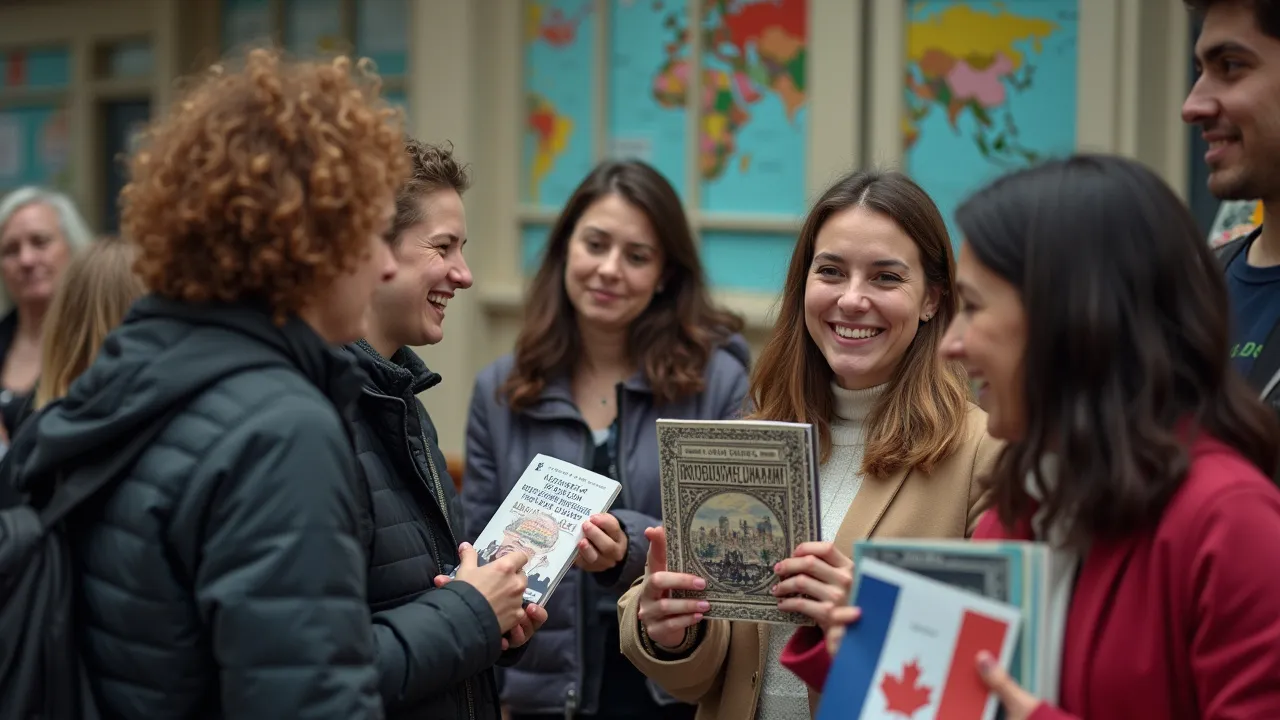
International Francophonie Day, observed on March 20th, celebrates the French language and the diverse cultures of the Francophone world. It promotes linguistic diversity and cultural exchange across 88 member states.
The Historical Origins & Evolutionary Journey
International Francophonie Day, celebrated annually on March 20th, traces its roots to the collective vision of promoting the French language and the diverse cultures of the Francophone world. This section delves into the foundational moments that led to its establishment and its evolution into a global observance.
The Foundational Catalyst
The concept of a day dedicated to Francophonie emerged from a desire to unite French-speaking nations and celebrate their shared linguistic heritage. The idea gained momentum in the mid-20th century, particularly through the efforts of key figures like Léopold Sédar Senghor, the first president of Senegal, who championed the idea of a community of French-speaking nations. In 1962, Senghor, along with other leaders, proposed the creation of an organization to foster cooperation among Francophone countries. This led to the founding of the Agence de Coopération Culturelle et Technique (ACCT) in 1970, which later evolved into the Organisation Internationale de la Francophonie (OIF).
The Legislative/Official Adoption
The formal establishment of International Francophonie Day occurred in 1998, when the OIF's Ministerial Conference of the Francophonie adopted a resolution to designate March 20th as the official day. The date was chosen to commemorate the signing of the Niamey Convention in 1970, which created the ACCT. The first celebration took place in 1998, with events organized by the OIF and its member states. The day was intended to promote not only the French language but also the cultural, political, and economic values shared by Francophone communities worldwide.
Modern Global Legacy
Today, International Francophonie Day is celebrated in over 80 member states and governments of the OIF, as well as in regions where French is spoken. It has grown beyond a simple linguistic celebration to encompass themes of cultural diversity, sustainable development, and human rights. The OIF uses this day to launch initiatives such as the Francophone Digital Campus and the promotion of French-language literature. In recent years, the observance has expanded to include digital campaigns, educational programs, and artistic performances that engage younger generations. The day also serves as a platform to address challenges facing the Francophone world, including linguistic preservation in the face of globalization and the promotion of multilingualism.
How to Celebrate International Francophonie Day
International Francophonie Day offers a myriad of ways to immerse yourself in the French language and Francophone cultures. Whether you are an individual, a school, or an organization, here are actionable strategies to celebrate meaningfully.
For Individuals
- Read Francophone Literature: Pick up a book by a Francophone author from Africa, Canada, Europe, or the Caribbean. Consider works by Tahar Ben Jelloun, Maryse Condé, or Dany Laferrière.
- Watch Francophone Films: Host a movie night with classic or contemporary French-language films from diverse regions, such as Moolaadé (Senegal) or Incendies (Canada).
- Speak French: Practice your French skills with native speakers or join language exchange meetups. Use apps like Duolingo or Tandem to engage.
- Cook Francophone Cuisine: Prepare traditional dishes from France, Vietnam, Lebanon, or other Francophone countries. Try making a classic French bouillabaisse or Senegalese thieboudienne.
For Schools and Educational Institutions
- Organize Cultural Workshops: Invite guest speakers from Francophone communities to share their culture and language. Offer workshops on music, dance, or calligraphy.
- Francophone Film Festival: Screen French-language films and hold discussions on their cultural context. Encourage students to create short films in French.
- Language Competitions: Hold spelling bees, poetry recitations, or debate contests in French. Award prizes for participation.
- Virtual Exchange: Connect with a Francophone school via video call to collaborate on projects or share cultural presentations.
For Organizations and Governments
- Host Cultural Events: Organize concerts, art exhibitions, or theater performances featuring Francophone artists. Partner with local Alliance Française chapters.
- Launch Digital Campaigns: Use social media to share facts about the Francophonie, promote French-language content, and encourage users to share their Francophone experiences.
- Support Francophone Businesses: Highlight entrepreneurship within the Francophone community through networking events or online spotlights.
- Policy Announcements: Use the day to announce new initiatives supporting French-language education or cultural exchanges.
Different regions have unique traditions: In France, the day is marked by cultural events in Paris and regional cities. In Canada, particularly Quebec, celebrations emphasize both French and Indigenous languages. In Africa, festivals in countries like Senegal and Ivory Coast showcase music, dance, and literature. The key is to embrace the diversity within the Francophonie and foster connections across borders.
Global Impact and Significance
International Francophonie Day is not merely a linguistic celebration; it has profound implications for global diplomacy, cultural exchange, and economic cooperation. With over 321 million French speakers worldwide, the Francophonie represents a significant geopolitical and cultural force.
Cultural Diplomacy
The OIF promotes peaceful coexistence and cultural diversity. Through the day, member states reaffirm their commitment to the French language as a tool for dialogue and mutual understanding. Cultural events, such as film screenings and book fairs, serve as soft power instruments that enhance the global perception of Francophone cultures. For instance, the annual March de la Francophonie in Paris draws participants from all corners of the globe, showcasing traditional costumes, music, and culinary arts.
Economic Implications
French is the fifth most spoken language worldwide and a working language of many international organizations, including the UN, UNESCO, and NATO. The Francophonie constitutes a market of 1.2 billion people (projected to reach 2.5 billion by 2050). The day highlights economic opportunities, encouraging trade and investment within the Francophone sphere. Initiatives like the Francophone Business Forum are often launched on this day to foster entrepreneurial networks.
Linguistic Diversity and Preservation
A key theme of the day is the protection of linguistic diversity. The OIF supports efforts to preserve minority languages within Francophone countries and promotes French as a language of inclusion. For example, in Africa, where many local languages coexist, the day underscores the role of French as a lingua franca that can unite diverse ethnic groups while respecting local identities.
Celebrating Francophone Culture and Diversity
The Francophone world is a mosaic of cultures, and International Francophonie Day is the perfect occasion to delve into its richness. From literature and cinema to cuisine and music, the diversity is staggering.
Literature and Language
Francophone literature spans continents and genres. Notable authors include Albert Camus (France), Assia Djebar (Algeria), and Édouard Glissant (Martinique). The day encourages reading circles and literary prizes, such as the Prix des Cinq Continents, which is often awarded on this date. Libraries and bookstores host readings and signings featuring Francophone writers.
Music and Performing Arts
Music is a universal language, and Francophone artists like Stromae (Belgium), Youssoupha (Congo), and Céline Dion (Canada) enjoy global popularity. Celebrations include concerts, dance performances, and operatic showcases. In many cities, outdoor stages are set up for free performances, highlighting traditional instruments like the kora (West Africa) or the accordion (France).
Cuisine and Gastronomy
Food festivals are a staple of the day, with restaurants offering special menus featuring dishes from Francophone regions. Cooking demonstrations, street food fairs, and wine tastings (for French or Lebanese wines) are common. The day also highlights sustainable culinary practices, such as farm-to-table initiatives in Francophone Africa.
Visual Arts and Cinema
Museums and galleries curate exhibitions of Francophone artists, from Moroccan calligraphy to Haitian naïf art. Film festivals screen classic and contemporary movies, often followed by Q&A sessions with directors. The César Awards (French film awards) are sometimes scheduled around this time.
Educational Initiatives and Language Promotion
International Francophonie Day is a catalyst for educational programs aimed at spreading the French language and supporting lifelong learning. The OIF and its partners invest heavily in this area.
French Language Education
Worldwide, approximately 80 million people learn French as a foreign language. The day promotes language classes, scholarships, and teaching resources. Language schools offer free trial lessons, and online platforms provide interactive courses. The OIF's 'Le français en partage' campaign encourages digital tools for learning.
Teacher Training and Support
Workshops for French teachers focus on innovative pedagogy, including the use of technology and multilingual approaches. Grants are announced for teacher exchanges and curriculum development. The day also honors outstanding educators with awards like the Prix des Enseignants.
Digital Resources
In the digital age, the OIF has launched platforms like 'Francophonie en ligne' offering MOOCs, virtual classrooms, and cultural content. On March 20th, many of these resources are made freely accessible. Students can participate in online contests, such as writing essays or creating digital art in French.
The Economic and Political Influence of La Francophonie
Beyond culture, the Francophonie wields significant economic and political power. International Francophonie Day highlights these dimensions and fosters cooperation among member states.
Trade and Investment
French is a language of business in many sectors, including luxury goods, aerospace, and agriculture. The day gathers business leaders for forums and networking events. The OIF's 'Economic Francophonie' initiative aims to boost intra-Francophone trade, which currently stands at around 20% of total trade for member countries.
Political Solidarity
Member states use the day to reaffirm their commitment to democracy, human rights, and sustainable development. Joint statements are issued on pressing issues like climate change, conflict resolution, and gender equality. The OIF often launches peacekeeping and humanitarian programs on this date.
Digital Francophonie
The digital divide is a key concern. The day promotes internet access in French, digital literacy, and the creation of Francophone content online. The 'Francophonie numérique' initiative supports start-ups and innovation hubs. Social media campaigns like #Francophonie trend globally, showcasing the vibrancy of the community.
Historical Timeline
Léopold Sédar Senghor and other Francophone leaders propose a community of French-speaking nations, laying the groundwork for the Organisation Internationale de la Francophonie.
The Niamey Convention is signed, creating the Agence de Coopération Culturelle et Technique (ACCT), the precursor to the OIF.
The first Summit of Heads of State and Government of Francophone countries is held in Paris, solidifying political cooperation.
The OIF Ministerial Conference designates March 20th as International Francophonie Day, with the first celebration taking place that year.
The OIF adopts the 'Strategic Framework for the Francophonie' emphasizing linguistic diversity, sustainable development, and democracy.
The OIF Summit in Montreux, Switzerland, highlights the role of the Francophonie in global governance and peace.
The 30th anniversary of International Francophonie Day features extensive digital campaigns and the launch of the 'Francophonie of the Future' initiative.
The OIF reports over 321 million French speakers and projects a rise to 750 million by 2050, emphasizing the growing importance of the Francophonie.