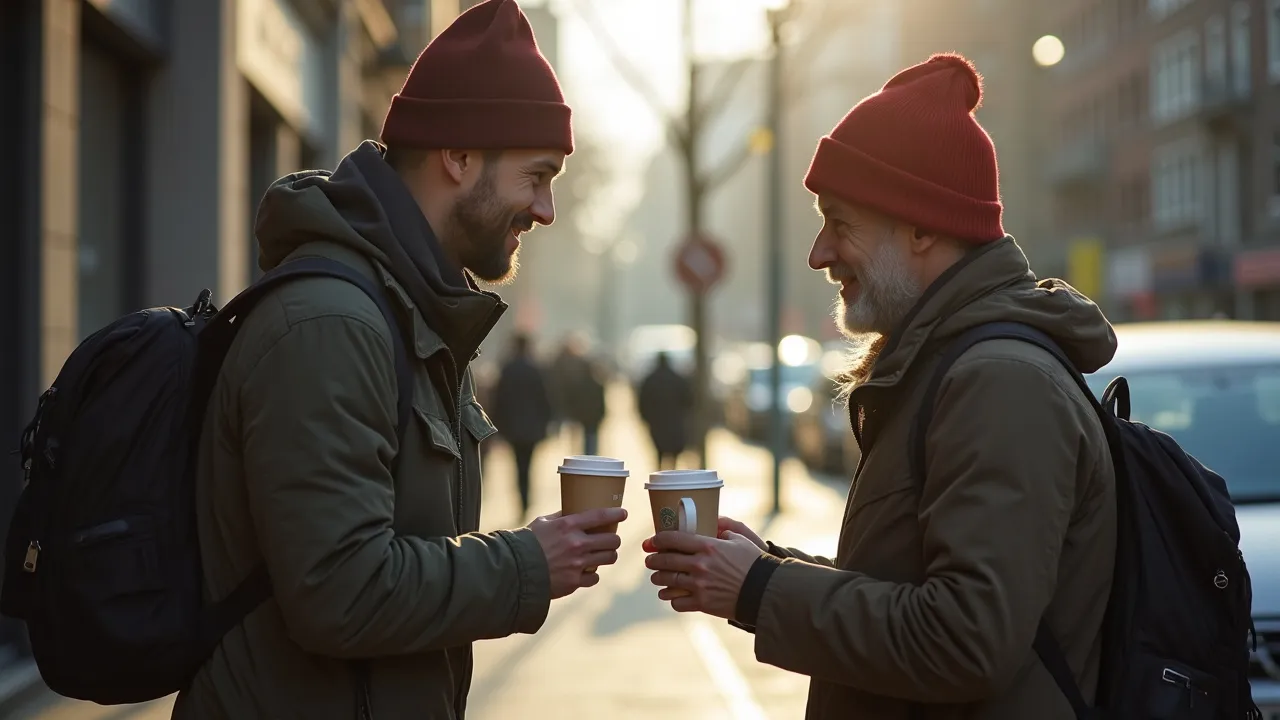
Observed annually on February 17th, Random Acts of Kindness Day inspires people worldwide to perform selfless acts of goodwill, fostering a culture of compassion and community connection.
The Historical Origins & Evolutionary Journey
Random Acts of Kindness Day, observed annually on February 17th, was first established in 1995 by the Random Acts of Kindness Foundation (RAK) based in Denver, Colorado. The foundation aimed to inspire individuals to perform spontaneous, altruistic gestures without expectation of reward, thereby creating a ripple effect of positivity across communities.
The Foundational Catalyst
The concept of random acts of kindness gained traction in the early 1990s, fueled by a desire to counteract growing social isolation and cynicism. The term itself was popularized by author Anne Herbert's 1993 book Random Acts of Kindness, which compiled stories of unsolicited generosity. The RAK foundation formalized the observance, setting February 17th as a dedicated day to celebrate and encourage kindness.
The Legislative/Official Adoption
While Random Acts of Kindness Day is not a federal holiday, it has been recognized by numerous city and state proclamations across the United States. Schools, nonprofits, and corporations have embraced the day, integrating it into their calendars as a catalyst for community service initiatives.
Modern Global Legacy
Since its inception, the day has spread internationally, with communities in Canada, Australia, and the UK participating. Social media amplifies its reach, with hashtags like #RandomActsofKindnessDay trending annually. The day now serves as a springboard for year-round kindness movements, influencing educational curricula and workplace culture.
How to Celebrate Random Acts of Kindness Day
Celebrating Random Acts of Kindness Day on February 17th can be as simple or elaborate as you choose. Below are actionable strategies for individuals, schools, and organizations, broken down by setting.
For Individuals
- Pay It Forward: Buy coffee for the person behind you in line or cover a stranger's grocery bill.
- Write Notes: Leave uplifting messages on sticky notes in public places like library books or bathroom mirrors.
- Volunteer: Donate a few hours to a local shelter, food bank, or animal rescue.
- Small Gestures: Hold the door open, compliment a colleague, or offer your seat on public transit.
For Schools
- Kindness Challenges: Create a bingo card of acts (e.g., help a classmate, thank a janitor) and reward completions.
- Peer Recognition: Establish a "Kindness Wall" where students post notes about peers' good deeds.
- Curriculum Integration: Discuss the science of kindness in psychology or literature classes.
For Organizations
- Team Activities: Organize a group volunteer day or a fundraising drive for a local charity.
- Surprise Appreciation: Send unexpected thank-you gifts to clients or employees.
- Social Campaign: Launch a company-wide hashtag encouraging employees to share their acts.
Globally, traditions vary: in Japan, the day is often marked by omotenashi (selfless hospitality), while in South Africa, it coincides with Mandela Day-style community service. The universal thread is intentional, heartfelt action.
Global Impact and Cultural Significance
While Random Acts of Kindness Day originated in the United States, its message has resonated across borders. In Canada, the day is promoted by the Kindness Foundation Canada, which organizes nationwide school programs. In Australia, community groups host 'kindness flash mobs' in public squares. The United Kingdom's 'Random Acts of Kindness' initiative partners with businesses to sponsor charitable acts.
Cross-Cultural Variations
In India, the day aligns with the philosophy of seva (selfless service), often involving feeding the hungry or donating clothes. In Brazil, kindness is expressed through gentileza, a cultural emphasis on politeness and generosity. These global interpretations enrich the observance, proving that kindness transcends language and geography.
The Ripple Effect
Research from the University of California, Berkeley, shows that witnessing acts of kindness increases the likelihood of the observer performing their own kind act—a phenomenon known as moral elevation. Thus, celebrating the day publicly amplifies its impact, creating a chain reaction of goodwill.
The Science of Kindness: Psychological and Physiological Benefits
Decades of research confirm that performing acts of kindness benefits both the giver and receiver. Here are key findings:
Psychological Benefits
- Increased Happiness: A study by Sonja Lyubomirsky found that participants who performed five acts of kindness per week for six weeks reported significant boosts in well-being.
- Reduced Stress: Kindness triggers the release of oxytocin, the 'love hormone', which lowers cortisol levels and blood pressure.
- Enhanced Social Connection: Acts of kindness strengthen interpersonal bonds, reducing feelings of loneliness.
Physiological Benefits
- Cardiovascular Health: Emotional warmth from kindness is linked to lower heart rate and improved heart health.
- Pain Reduction: The brain's reward system releases endorphins, which act as natural painkillers.
These effects create a virtuous cycle: feeling good from kindness encourages more kind behavior, benefiting personal health and community cohesion.
Kindness in the Digital Age: Social Media and Virtual Acts
Random Acts of Kindness Day has evolved with technology, extending kindness into the digital realm. Social media platforms amplify the day's reach, but also introduce new forms of kindness—and challenges.
Positive Digital Kindness
- Supportive Comments: Leaving encouraging replies on friends' posts or strangers' struggles.
- Sharing Resources: Posting links to mental health hotlines, fundraisers, or educational content.
- Cyber Compliments: Creating threads where people exchange genuine praise.
Avoiding Performative Kindness
To maintain authenticity, experts advise against 'kindness for likes'. Instead, act privately or without tagging the recipient. The Random Acts of Kindness Foundation encourages documenting acts to inspire others, but stresses the importance of respecting privacy.
The Role of Hashtags
Hashtags like #RAKDay and #KindnessMatters help aggregate stories, but the focus should remain on the act, not the attention. Many organizations use the day to launch year-round digital kindness campaigns, such as the #BeKind online pledge.
Corporate and School Programs: Institutionalizing Kindness
Recognizing the benefits, many schools and corporations have institutionalized kindness initiatives, often timed around Random Acts of Kindness Day.
Corporate Kindness Programs
- Paid Volunteer Time: Companies like Salesforce offer employees paid days to volunteer.
- Matching Gifts: Employers match charitable donations made by employees.
- Recognition Systems: Peer-to-peer recognition platforms where employees award points for kind acts.
School-Based Kindness Curricula
- Social-Emotional Learning (SEL): Programs like 'Second Step' integrate kindness into daily lessons.
- Kindness Clubs: Student-led groups that organize service projects.
- Anti-Bullying Campaigns: Using kindness as a proactive tool to reduce bullying.
Research from the Collaborative for Academic, Social, and Emotional Learning (CASEL) shows that schools with robust SEL programs see a 13% improvement in academic outcomes and reduced behavioral issues. Similarly, companies with strong corporate social responsibility (CSR) programs report higher employee retention and satisfaction.
Common Myths and Misconceptions About Random Acts of Kindness
Despite its popularity, several myths surround Random Acts of Kindness Day. Clarifying these helps ensure the day is celebrated effectively.
Myth 1: Kindness Requires Money
Reality: The most impactful acts are often free—a smile, a listening ear, or a compliment. The Random Acts of Kindness Foundation emphasizes that time and attention are more valuable than material gifts.
Myth 2: Kindness Must Be Grand
Reality: Small, consistent acts build stronger community bonds than one large gesture. Holding a door, offering a seat, or sending a thoughtful text can be just as meaningful.
Myth 3: You Should Expect Reciprocity
Reality: True kindness is altruistic—given without expectation. The 'pay it forward' model encourages forwarding kindness to others, not back to the original giver.
Myth 4: One Day Is Enough
Reality: While February 17th serves as an annual reminder, kindness is most powerful when practiced daily. Many use the day to launch ongoing habits.
Historical Timeline
Anne Herbert publishes 'Random Acts of Kindness', a collection of true stories that coins the phrase and inspires the movement.
The Random Acts of Kindness Foundation is founded in Denver, Colorado, establishing February 17th as Random Acts of Kindness Day.
The day gains traction in schools; the RAK Foundation releases educational toolkits for teachers.
Social media platforms like MySpace and early Facebook see first coordinated kindness campaigns for the day.
Twitter hashtag #RandomActsofKindnessDay trends globally, with millions of users sharing their acts.
The United Nations recognizes the importance of kindness by declaring November 13 as World Kindness Day, complementing the February 17th observance.
Major corporations like Starbucks and Google begin participating, offering freebies or matching donations on the day.
During the COVID-19 pandemic, Random Acts of Kindness Day focuses on supporting frontline workers and vulnerable communities through virtual acts.
The day expands to include digital kindness pledges, with over 500,000 people signing online commitments worldwide.