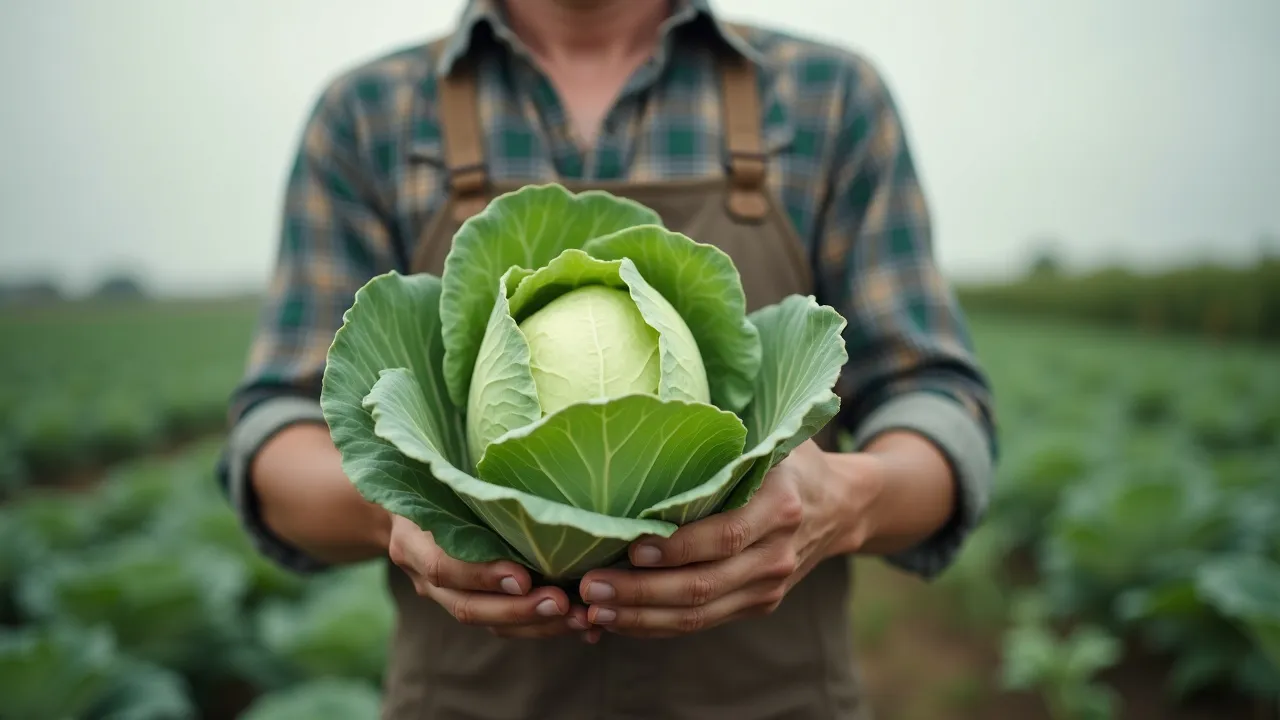
National Cabbage Day is celebrated annually on February 17th, honoring the humble cabbage and its global culinary and cultural significance. This day encourages appreciation of cabbage's health benefits and versatility.
The Historical Origins & Evolutionary Journey
National Cabbage Day, observed on February 17th, has roots that trace back thousands of years to the domestication of wild cabbage in Europe. The day itself, however, was informally established in the 20th century to celebrate this versatile vegetable. While no single founder is credited, agricultural organizations and home cooks championed its recognition.
The Foundational Catalyst
Cabbage (Brassica oleracea) was first cultivated by the Celts around 600 B.C. and later spread across Greece and Rome. Its hardiness and nutritional value made it a staple during times of scarcity. The modern observance began as a grassroots movement among farmers and food bloggers, who selected February to highlight mid-winter harvests.
The Legislative/Official Adoption
Despite its popularity, National Cabbage Day is not a federally recognized holiday. Instead, it gained traction through media campaigns and social media. By the 1990s, it appeared on many unofficial holiday calendars, celebrated with recipes like coleslaw and stuffed cabbage.
Modern Global Legacy
Today, National Cabbage Day is observed worldwide, with nations adding local twists. In Germany, it coincides with Sauerkraut Day; in Korea, it celebrates kimchi. The day serves as a reminder of cabbage's role in food security and cultural identity.
How to Celebrate National Cabbage Day
Celebrating National Cabbage Day can be fun and educational. Whether you're an individual, school, or organization, here are actionable ideas:
For Individuals
- Cook a cabbage dish - Try a new recipe like cabbage rolls or stir-fry.
- Visit a farmer's market - Buy fresh cabbage and chat with growers.
- Share facts on social media - Use hashtags like #NationalCabbageDay.
For Schools
- Science lessons - Grow cabbage in a jar to illustrate plant biology.
- Cooking classes - Prepare simple coleslaw to teach nutrition.
For Organizations
- Host a potluck - Encourage cabbage-themed dishes.
- Donate to food banks - Cabbage is affordable and non-perishable.
Internationally, traditions vary. In China, cabbage is often pickled for Chinese New Year celebrations. In Eastern Europe, cabbage rolls are a festive dish. No matter the culture, the day promotes healthy eating and sustainable agriculture.
Health Benefits of Cabbage
Cabbage is a nutritional powerhouse, rich in vitamins C and K, fiber, and antioxidants. Regular consumption is linked to reduced inflammation and improved digestion. Here are key benefits:
- Immune support - Vitamin C boosts immunity.
- Digestive health - Fiber aids regularity.
- Heart health - Polyphenols lower blood pressure.
Fermented cabbage, like sauerkraut, provides probiotics. National Cabbage Day encourages incorporating this superfood into daily meals.
Global Culinary Traditions
Cabbage features in cuisines worldwide. This section explores signature dishes:
Europe
- Germany - Sauerkraut and pork.
- Poland - Gołąbki (stuffed cabbage rolls).
- Ireland - Colcannon (mashed potatoes with cabbage).
Asia
- Korea - Kimchi (fermented napa cabbage).
- China - Stir-fried cabbage with garlic.
- Japan - Okonomiyaki (savory pancake with cabbage).
Americas
- USA - Coleslaw and corned beef and cabbage.
- Brazil - Couve (sautéed collard greens, similar to cabbage).
These traditions reflect local tastes and agricultural practices, making cabbage a true global ingredient.
Economic Impact of Cabbage
Cabbage is a major agricultural commodity. The global cabbage market is valued at over $10 billion annually. Key producers include China, India, and Russia. The crop is drought-resistant and low-cost, making it vital for food security.
- Trade - Cabbage is exported fresh, fermented, and frozen.
- Employment - Provides jobs in farming, processing, and retail.
- Food industry - Used in ready meals, snacks, and pickles.
National Cabbage Day highlights this economic significance, encouraging support for local farmers.
Fun Facts About Cabbage
- Ancient roots - Cabbage was cultivated as early as 1000 B.C.
- Weight record - The heaviest cabbage weighed 62.71 kg (138.25 lbs) in 2012.
- Space cabbage - Cabbage has been grown on the International Space Station.
- Medicinal use - Roman soldiers ate cabbage to stay healthy.
- Word origin - From French 'caboche' meaning head.
Share these facts on National Cabbage Day to spread appreciation.
Historical Timeline
Celts domesticate wild cabbage in Europe.
Roman naturalist Pliny the Elder describes cabbage as a medicinal plant.
Cabbage is introduced to the Americas by European colonists.
Sauerkraut is credited with preventing scurvy among British sailors during the American Revolution.
Cabbage becomes a staple in diets worldwide due to its affordability and long shelf life.
Unofficial celebrations of National Cabbage Day begin in the United States, promoted by agricultural groups.
The day gains traction on social media, with recipes and history shared widely.
The world record for largest cabbage is set in Alaska, reinforcing global interest.
National Cabbage Day is observed in over 20 countries, often tied to local cabbage festivals.