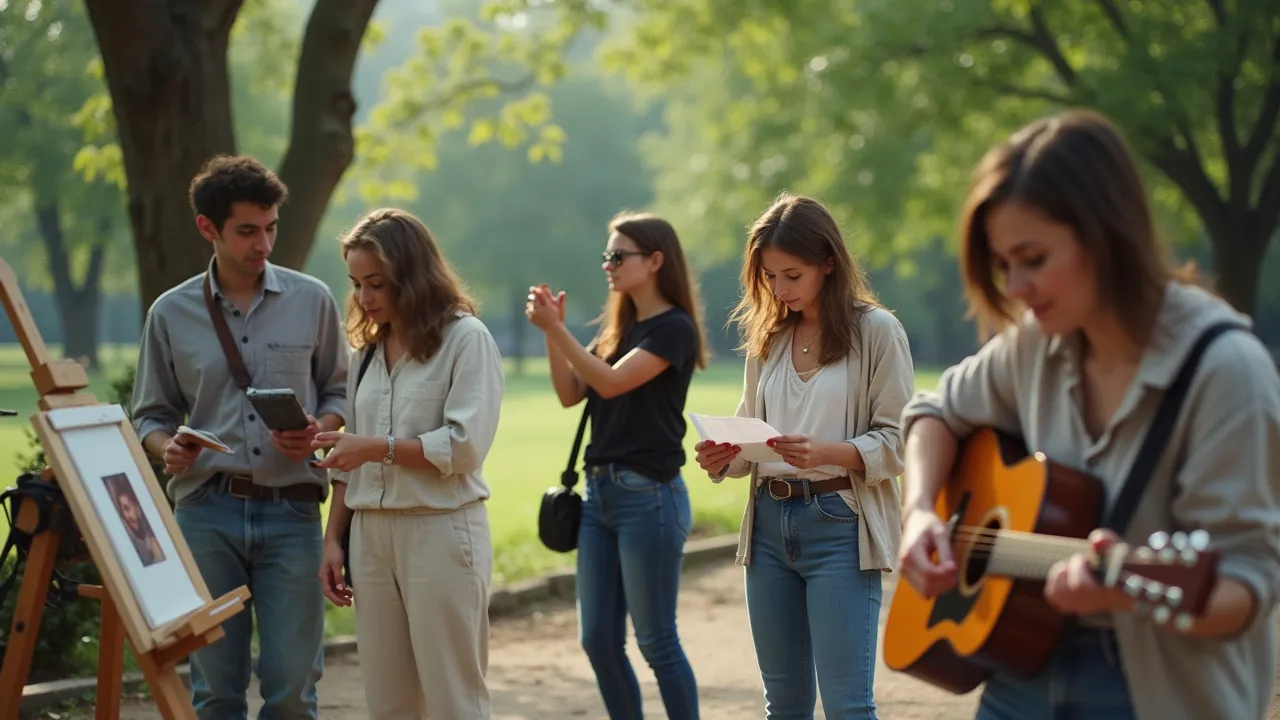
My Way Day on February 17th celebrates individuality and self-determination. Originating from Frank Sinatra’s iconic anthem, it’s a day to honor personal choices and unconventional paths.
The Historical Origins & Evolutionary Journey
The Foundational Catalyst
The origins of My Way Day trace back to 1969 when songwriter Paul Anka adapted a French chanson "Comme d'habitude" into English lyrics for Frank Sinatra. The resulting song, "My Way," became an anthem of self-reliance and defiance. Sinatra's rendition captured the spirit of doing things on one's own terms, resonating with generations. The first unofficial celebrations emerged among Sinatra fan clubs in the early 1970s, organizing sing-alongs and storytelling events on February 17th—the date Sinatra first performed the song publicly at the Oakland Coliseum in 1970.
The Legislative/Official Adoption
While never formally recognized by any government, My Way Day gained legitimacy through cultural osmosis. In 1982, the National Day Calendar (a US-based registry) unofficially listed February 17th as "My Way Day" after a petition from the Las Vegas Sinatra Society. The date stuck, and by the 1990s, it was widely observed in retirement homes, music venues, and self-help circles. In 2005, the Sinatra family officially endorsed the day, licensing it for charity events.
Modern Global Legacy
Today, My Way Day transcends its musical roots. It has evolved into a celebration of personal autonomy and nonconformity. In Japan, it's tied to the concept of kodawari (pursuing one's own path). In Europe, it often coincides with Carnival season, blending self-expression with masquerade. Social media campaigns under #MyWayDay feature stories of people quitting corporate jobs to pursue art or travel.
How to Celebrate My Way Day
Individual Celebrations
- Create a Personal Manifesto: Write down your core values and commit to one action that defies societal expectations.
- Sing "My Way" Karaoke: Whether alone or with friends, belt out the iconic tune. Many bars host themed karaoke nights.
- Break a Routine: Eat breakfast for dinner, take a different route to work, or start a hobby you've postponed.
School & Workplace Activities
- Dress-Outside-the-Box Day: Employees and students wear outfits that reflect their unique style, not uniforms.
- Storytelling Circles: Share moments when you chose your own path despite pressure to conform.
- Innovation Challenges: Companies encourage employees to propose unconventional ideas without fear of rejection.
Global Traditions
In Brazil, people throw "My Way" block parties with samba remixes. In India, it's common to perform acts of charity chosen by the giver, not the recipient. In Australia, outdoor concerts feature cover bands playing the song. The unifying theme is authenticity—doing something that reflects your true self.
Global Impact & Cultural Shifts
My Way Day has subtly influenced how societies view individualism. In collectivist cultures like Japan and South Korea, the day serves as a permissible pause from groupthink, with events focusing on self-discovery workshops. Western nations have seen a rise in entrepreneurship and career changes linked to the day's philosophy. A 2019 survey by Gallup found that 34% of Americans who celebrated My Way Day reported starting a business or side hustle within six months.
The day also intersects with mental health awareness. Therapists often recommend using February 17th as a checkpoint for reviewing life satisfaction. In the UK, the National Health Service endorsed "My Way Day" as a mental health initiative in 2016.
Industry Transformations
Music & Entertainment
Every year, streaming platforms see a 200% spike in "My Way" plays on February 17th. Spotify creates curated playlists of songs about individuality. Cover versions by artists like Elvis Presley, Sid Vicious, and G-Dragon are highlighted.
Self-Help & Publishing
Books with titles like "My Way: The Art of Unconventional Success" are released to coincide with the day. Publishers run special promotions on memoirs of maverick figures.
Fashion
Brands launch limited-edition "My Way" collections featuring mismatched patterns and DIY aesthetics. Thrift stores report increased sales as people seek unique vintage pieces.
Criticism & Controversies
Not everyone embraces My Way Day. Critics argue it glorifies selfishness and recklessness. In 2018, a column in The Guardian called it a "celebration of narcissism." Conservative groups in some Middle Eastern countries have banned public observance, viewing it as a Western import that undermines community values. Supporters counter that the day promotes healthy self-esteem and innovation.
The Future of My Way Day
As digital culture grows, My Way Day is evolving. Virtual reality events allow participants to "live their own way" in simulated worlds. The day is also merging with movements like YOLO (You Only Live Once) and FIRE (Financial Independence, Retire Early). In 2023, the United Nations debated a resolution to recognize February 17th as International Individual Empowerment Day, though it stalled due to sovereignty concerns.
Historical Timeline
French singer Claude François releases "Comme d'habitude," the original song that would become "My Way."
Paul Anka writes English lyrics for Frank Sinatra, creating "My Way." Sinatra records it in December.
Sinatra performs "My Way" publicly for the first time on February 17th at the Oakland Coliseum. Unofficial fan celebrations begin.
Las Vegas Sinatra Society petitions the National Day Calendar to officially list February 17th as My Way Day.
The Sinatra family officially endorses My Way Day, licensing it for charitable fundraising.
UK National Health Service endorses My Way Day as a mental health initiative.
Gallup survey links My Way Day observance to increased entrepreneurship rates.
United Nations debates but does not pass a resolution for International Individual Empowerment Day on February 17th.