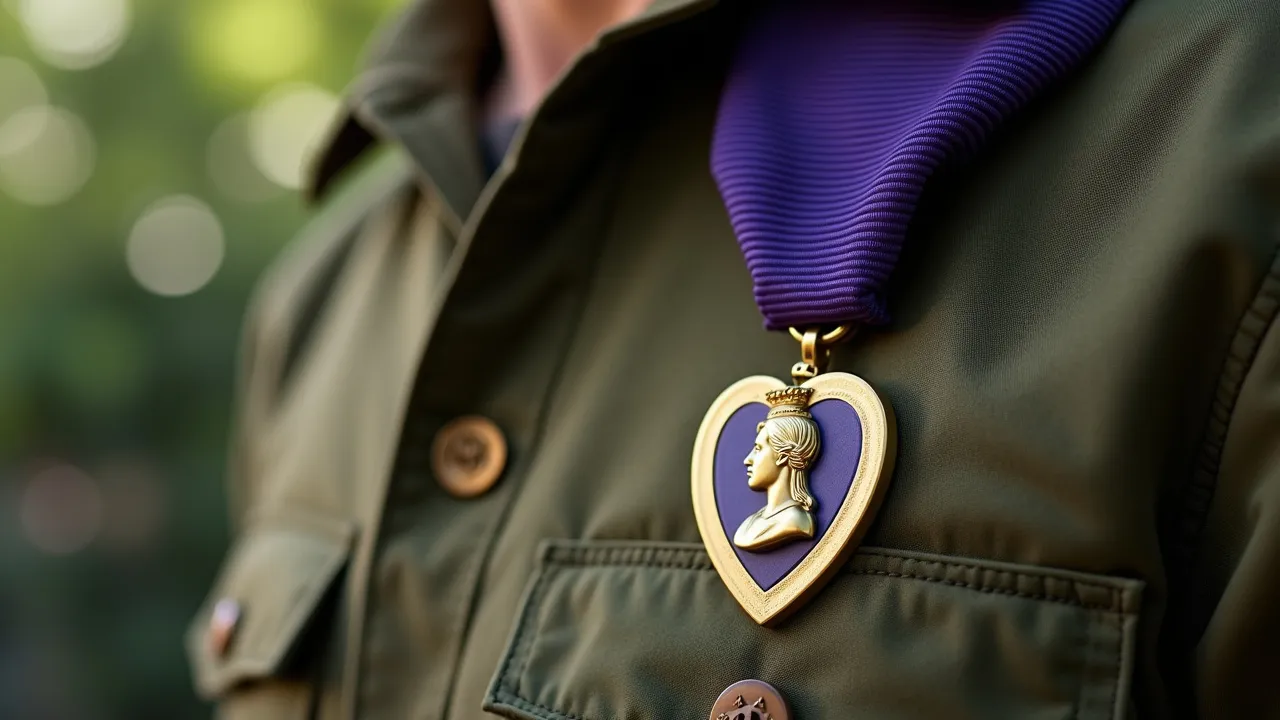
Purple Heart Day on August 7 honors the brave U.S. service members wounded or killed in action. Learn the history of this prestigious medal and how you can pay tribute to America's heroes.
The Historical Origins & Evolutionary Journey
Purple Heart Day commemorates the founding of the Purple Heart medal, originally established by General George Washington on August 7, 1782 as the Badge of Military Merit. This award recognized extraordinary fidelity and essential service in the Continental Army.
The Foundational Catalyst
The Badge of Military Merit was a purple, heart-shaped piece of silk edged with a narrow binding of silver. Only three soldiers received it during the Revolutionary War: Sergeant Elijah Churchill, Sergeant William Brown, and Sergeant Daniel Bissell. After the war, the award fell into disuse for over a century.
The Legislative/Official Adoption
On February 22, 1932—the 200th anniversary of George Washington's birth—the U.S. War Department revived the award as the Purple Heart. It was initially awarded to soldiers wounded in World War I and later expanded to include all U.S. military personnel killed or wounded by enemy action. The medal became a powerful symbol of sacrifice.
In 2014, the U.S. Congress passed a resolution establishing August 7 as National Purple Heart Day, ensuring annual recognition. The Military Order of the Purple Heart (MOPH) and various veteran organizations championed the effort.
Modern Global Legacy
Today, the Purple Heart is awarded to any member of the U.S. Armed Forces who is wounded or killed in combat. It remains one of the most respected military decorations. Purple Heart Day is observed across the United States with ceremonies, flag displays, and educational events.
How to Celebrate Purple Heart Day
Honoring Purple Heart recipients can be done in meaningful ways. Below are actionable strategies for individuals, schools, and organizations.
For Individuals
- Display the Flag: Fly the U.S. flag at half-staff until noon, then raise it to full-staff.
- Thank a Recipient: Reach out to a local Purple Heart veteran with a card or visit.
- Donate: Contribute to the Military Order of the Purple Heart or Wounded Warrior Project.
- Educate Yourself: Read stories of Purple Heart recipients or watch documentaries.
For Schools and Communities
- Host a Ceremony: Invite Purple Heart recipients to speak at a school assembly.
- Create a Display: Set up a bulletin board with information about the medal and local recipients.
- Write Letters: Students can write thank-you letters to veterans at local VA hospitals.
For Organizations
- Lighting Ceremonies: Illuminate buildings in purple and gold.
- Social Media Campaigns: Share recipient stories using #PurpleHeartDay.
- Fundraising: Organize a fundraiser for veteran support groups.
While primarily a U.S. observance, allied nations sometimes hold events to honor American troops who served abroad.
Symbolism and Design of the Purple Heart
Medal Design
The modern Purple Heart is a gold-edged purple heart-shaped medal with a bust of George Washington. The reverse features the words "FOR MILITARY MERIT" in raised letters. The ribbon is purple with white edges.
Symbolism
The color purple represents sacrifice and valor. The heart shape signifies the courage of those who gave their blood for their country. The medal embodies the nation's gratitude.
Notable Purple Heart Recipients
Many famous Americans have received the Purple Heart, including:
- John F. Kennedy – awarded for injuries during PT-109.
- Audie Murphy – most decorated U.S. combat soldier of WWII.
- Colin Powell – awarded for wounds in Vietnam.
- Tammy Duckworth – U.S. Senator who lost both legs in Iraq.
These individuals exemplify the sacrifice honored on Purple Heart Day.
Global Impact and Allied Recognition
While Purple Heart Day is an American observance, it resonates internationally. Allied nations such as the United Kingdom, Canada, and Australia have held ceremonies to honor U.S. troops who fought alongside them. In some cases, foreign governments have also awarded their own versions of the Purple Heart to their soldiers, like Canada's Sacrifice Medal.
Controversies and Eligibility Debates
Eligibility Criteria
Over time, debates have arisen over who qualifies for the Purple Heart. For instance, those with PTSD or traumatic brain injury (TBI) have been considered. In 2021, the Department of Defense updated guidelines to make TBI automatically eligible if caused by enemy action.
Fallen Heroes on U.S. Soil
Another controversy involves awarding the Purple Heart to victims of terrorist attacks on U.S. soil (e.g., 9/11 Pentagon attack). Some argue these should qualify, but the criteria remain focused on enemy action in combat zones.
Historical Timeline
General George Washington establishes the Badge of Military Merit on August 7, the precursor to the Purple Heart. Only three soldiers receive it.
The U.S. War Department revives the award on February 22, renaming it the Purple Heart and awarding it to WWI veterans.
An executive order extends eligibility to all branches of the U.S. Armed Forces and to those killed in action.
Eligibility broadened to include wounds caused by enemy prisoners, friendly fire, and prisoners of war.
Congress passes a resolution designating August 7 as National Purple Heart Day.
Department of Defense updates rules to automatically award Purple Heart for traumatic brain injury (TBI) caused by enemy action.