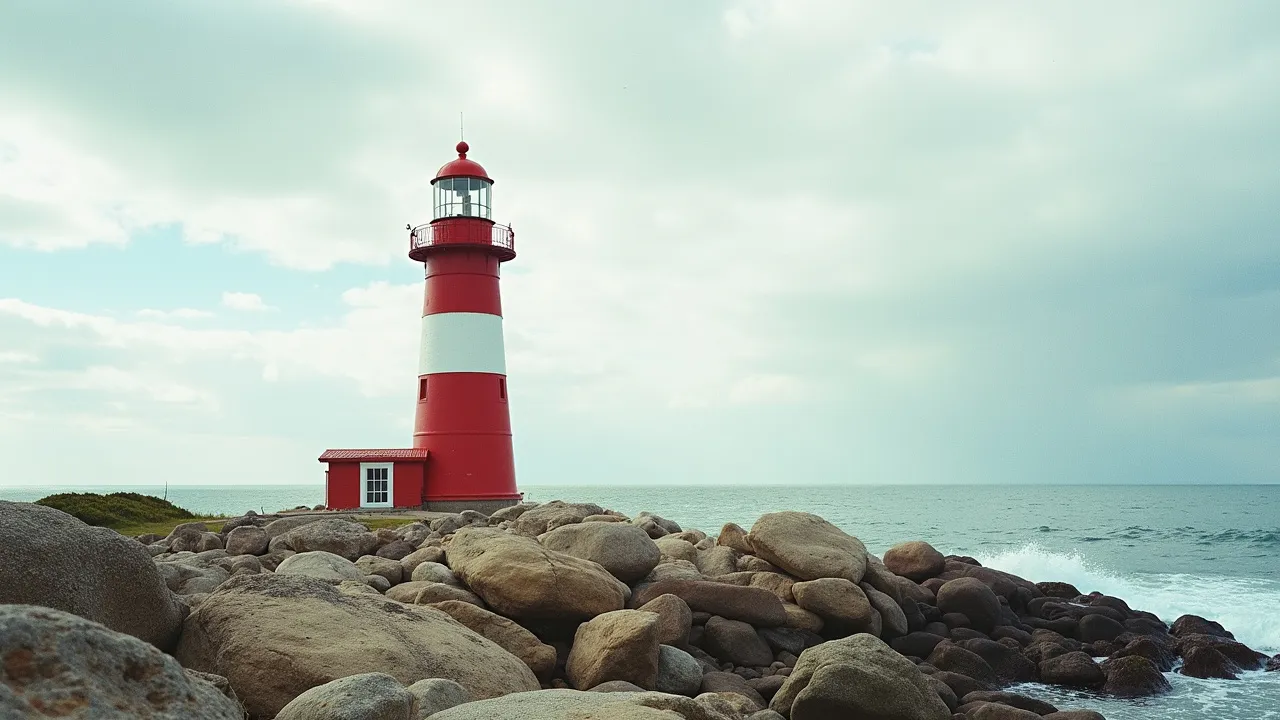
Observed annually on August 7th, National Lighthouse Day honors the historic beacons that guided mariners for centuries. It commemorates the 1789 federal law that established the U.S. lighthouse system and celebrates the preservation of these iconic structures.
The Historical Origins & Evolutionary Journey
National Lighthouse Day, observed each year on August 7th, marks the anniversary of the signing of the Act for the Establishment and Support of Lighthouse, Beacons, Buoys, and Public Piers by the U.S. Congress in 1789. This pivotal legislation placed lighthouses under federal control, eventually leading to the creation of the U.S. Lighthouse Service. The day was officially recognized by a joint resolution of Congress in 1988, sponsored by Senator John H. Chafee, and signed into law by President Ronald Reagan.
The Foundational Catalyst
Before 1789, lighthouses in the fledgling United States were managed by individual colonies, leading to inconsistent maintenance and funding. The 1789 act transferred jurisdiction to the federal government, ensuring a uniform system of aids to navigation. This move was critical for maritime commerce and safety, as lighthouses marked dangerous coastlines, reefs, and harbors. The first lighthouse built under this new authority was the Boston Light, originally constructed in 1716 and rebuilt in 1783.
The Legislative/Official Adoption
Nearly two centuries later, in 1988, Congress passed Public Law 100-555, designating August 7th as National Lighthouse Day. The resolution called on the nation to recognize the historic and cultural significance of lighthouses and to promote their preservation. The day was first celebrated with ceremonies at lighthouses across the country, including open houses and educational events.
Modern Global Legacy
Although National Lighthouse Day is primarily observed in the United States, its spirit resonates worldwide. Lighthouses have become symbols of hope, resilience, and guidance. Many countries have similar observances, such as International Lighthouse and Lightship Weekend (third weekend of August), which encourages amateur radio operators to broadcast from lighthouses. The day also highlights the ongoing efforts of organizations like the United States Lighthouse Society and the American Lighthouse Foundation to restore and preserve these historic structures.
How to Celebrate National Lighthouse Day
National Lighthouse Day offers myriad ways for individuals, families, schools, and organizations to honor these maritime beacons. Here is a definitive guide to celebrating with purpose and enjoyment.
Individual and Family Activities
- Visit a Lighthouse: Many lighthouses open their doors to the public on August 7th. Check local listings for tower climbs, guided tours, and special exhibits.
- Take a Lighthouse Cruise: Coastal towns often offer boat tours that pass by several lighthouses, providing unique photo opportunities.
- Read Lighthouse Literature: Dive into books like The Lighthouse by P.D. James or Lighthouse by Eugenia Price, or explore children's classics such as The Little Red Lighthouse and the Great Gray Bridge.
- Build a Model Lighthouse: For a hands-on project, create a miniature lighthouse using craft materials or a kit.
School and Educational Celebrations
- History Lessons: Teachers can incorporate the history of lighthouses into lesson plans, covering topics like maritime trade, Fresnel lenses, and the role of lighthouse keepers.
- Art Projects: Students can draw or paint lighthouses, write essays on their importance, or design lighthouses using recycled materials.
- Field Trips: Arrange visits to nearby lighthouses or maritime museums to see artifacts and historical exhibits.
Organizational and Community Events
- Lighthouse Illumination: Coordinate with local authorities to light up lighthouses in a special color or pattern for the evening.
- Fundraisers: Host events to raise money for lighthouse preservation, such as bake sales, silent auctions, or sponsored walks.
- Volunteer Cleanups: Organize beach or grounds cleanups around lighthouses to maintain their surroundings.
Global Variations
While National Lighthouse Day is U.S.-centric, other countries celebrate lighthouses on different dates. For example, Canada celebrates National Lighthouse Day on September 22nd, while Australia observes it on April 5th (the birthday of the first Australian lighthouse keeper). In the United Kingdom, lighthouses are highlighted during National Lighthouse Weekend in August. Always check local customs to participate appropriately.
The Role of Lighthouses in Maritime Safety
Lighthouses have been indispensable for safe navigation for centuries. Their primary function is to warn sailors of dangerous coastlines, shallow waters, and reefs, and to guide them into harbors. Modern technology—GPS, radar, and electronic charts—has reduced reliance on lighthouses, but they remain critical backups and historical markers.
How Lighthouses Work
Key components include the light source (originally oil lamps, later electric bulbs), the Fresnel lens (a multi-part lens invented by Augustin-Jean Fresnel in 1823 that magnifies light into a powerful beam), and the characteristic signal (each lighthouse has a unique flash pattern, color, and intensity to help mariners identify it).
Preservation Challenges
Many lighthouses face threats from coastal erosion, vandalism, and neglect. Organizations work tirelessly to restore and maintain them, often using volunteer labor and donations. National Lighthouse Day raises awareness and funding for these efforts.
Famous Lighthouses Around the World
From the ancient Pharos of Alexandria to the modern spectacles of today, lighthouses capture the imagination. Here are some of the most renowned:
- Boston Light (USA): Built 1716, rebuilt 1783, it is the oldest continuously manned lighthouse in the United States.
- Peggy's Point Lighthouse (Canada): Iconic red-and-white lighthouse on a rocky outcrop in Nova Scotia.
- La Jument (France): Off the coast of Brittany, known for its dramatic waves and striking white facade.
- Split Rock Lighthouse (USA): Perched on a cliff in Minnesota, built after a 1905 storm.
- Hook Lighthouse (Ireland): One of the oldest operating lighthouses in the world, dating back to the 13th century.
- Cape Hatteras Lighthouse (USA): Known for its distinctive spiral paint pattern and as the tallest brick lighthouse in America.
Lighthouse Keepers: A Vanishing Profession
For centuries, lighthouse keepers lived isolated lives, maintaining the light, fog signals, and quarters. Their duties included polishing lenses, trimming wicks, and rescuing sailors. With automation in the 20th century, most lighthouses became unmanned. Today, only a few staffed lighthouses remain, such as Boston Light (due to its historical status). National Lighthouse Day honors the dedication of these keepers, who often served through storms and solitude.
Famous Keepers
- Ida Lewis (1842–1911): American lighthouse keeper known for her many rescues.
- Sarah de Wolfe (early 19th century): One of the first female head keepers in the U.S.
- Marcus Hanna (19th century): Heroic keeper at Cape Elizabeth Light.
Lighthouses in Popular Culture
Lighthouses permeate literature, film, and art as symbols of hope, isolation, and guidance. Notable examples include:
- To the Lighthouse by Virginia Woolf (1927): A modernist novel exploring time and memory.
- The Light Between Oceans by M.L. Stedman (2012): A story of a lighthouse keeper's moral dilemma.
- Movie: The Lighthouse (2019): A psychological horror film starring Willem Dafoe and Robert Pattinson.
- Lighthouse paintings by Edward Hopper and Winslow Homer.
These cultural depictions ensure lighthouses remain romantic fixtures in the collective imagination.
Historical Timeline
On August 7th, the U.S. Congress passes the Act for the Establishment and Support of Lighthouse, Beacons, Buoys, and Public Piers, placing lighthouses under federal jurisdiction.
Augustin-Jean Fresnel invents the Fresnel lens, dramatically increasing the brightness and range of lighthouse beams.
The U.S. Lighthouse Service is established as a separate bureau, taking over from the Lighthouse Board.
The U.S. Lighthouse Service merges with the U.S. Coast Guard, which assumes responsibility for all aids to navigation.
President Ronald Reagan signs Public Law 100-555, designating August 7th as National Lighthouse Day.
The National Lighthouse Preservation Act is passed, allowing surplus lighthouses to be transferred to nonprofits and local governments.
Over 600 lighthouses remain standing in the United States, with hundreds preserved as museums and tourist attractions.