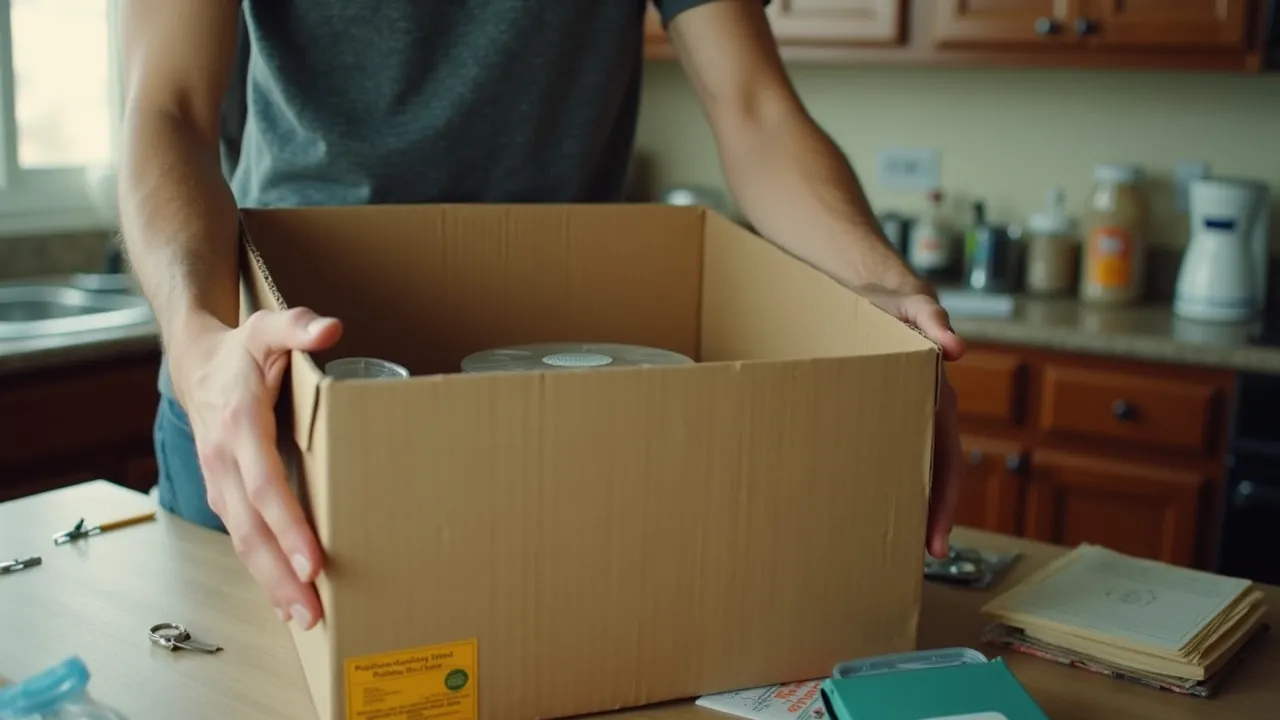
Observed on August 7th, this day hilariously highlights and mocks excessive, wasteful packaging through satire and awareness. Join the fun by posting photos of absurdly overpackaged items and advocating for sustainable alternatives.
The Historical Origins & Evolutionary Journey
Particularly Preposterous Packaging Day was first conceived in 2009 by a small group of environmental activists and satirists who called themselves The Institute for Excessive Consumerism (IEC). Frustrated by the growing tide of single-use plastics and oversized boxes for tiny items, they proposed a day of mockery and awareness. The inaugural celebration took place on August 7, 2010, in Seattle, Washington, where participants gathered to showcase the most preposterous packaging they had encountered.
The Foundational Catalyst
The early 2000s saw a surge in e-commerce and consumer goods, leading to increasingly absurd packaging practices. Key examples included:
- Electronics shipped in boxes ten times the product size, filled with foam peanuts.
- Fruit individually wrapped in plastic and styrofoam trays.
- Cosmetics nested in multiple layers of cardboard, tissue, and shrink wrap.
These examples fueled public ire and became the catalyst for the day's creation. The IEC leveraged social media and grassroots campaigns to spread the message.
The Legislative/Official Adoption
By 2013, the movement had gained enough traction to catch the attention of policymakers. Several U.S. states passed resolutions recognizing August 7 as "Packaging Awareness Day," though the satirical name remained. In 2015, the United Nations Environment Programme (UNEP) unofficially acknowledged the day in their campaign against excessive packaging. Today, over a dozen countries have adopted the observance, with events ranging from packaging audits in schools to corporate pledges for reduction.
Modern Global Legacy
In the digital age, the day has evolved into a viral phenomenon. The hashtag #PreposterousPackaging trends annually on Twitter and Instagram, with users posting photos of outrageous examples. Environmental NGOs use the day to launch campaigns, and companies compete for the dubious "Golden Box" award for the most wasteful packaging. The day's legacy is a mix of humor and serious advocacy, pushing for more sustainable practices worldwide.
How to Celebrate Particularly Preposterous Packaging Day
Whether you're an individual, a school, or a corporation, there are countless ways to participate. The core ethos is awareness through humor. Below are actionable strategies broken down by group.
For Individuals
- Hunt and Document: Spend the day collecting or photographing the most absurdly packaged items you find. Post them on social media with #PreposterousPackaging.
- Unboxing Parodies: Create a humorous unboxing video mocking excessive layers—paper, bubble wrap, plastic, box inside box. Share it online.
- DIY Alternatives: Challenge yourself to repackage a product using minimal, sustainable materials. Share your before-and-after.
For Schools and Universities
- Packaging Audit: Have students collect packaging from their lunches and home deliveries. Weigh and categorize waste, then discuss solutions.
- Design Competition: Host a contest for the most innovative, eco-friendly packaging design for a common product.
- Guest Speakers: Invite local environmentalists or packaging engineers to talk about sustainable practices.
For Businesses and Organizations
- Internal Audit: Review your own shipping and product packaging. Identify areas of excess and commit to reduction targets.
- Customer Engagement: Offer a discount to customers who return packaging for reuse, or run a social media campaign asking for feedback on your packaging.
- Award the Worst: Collaborate with local media to give a "Preposterous Packaging Award" to the most egregious offender in your region, encouraging improvement.
Cultural Variations Worldwide
In Japan, where overpackaging is a cultural norm for gift-giving, the day focuses on education about mottainai (waste not). Participants use furoshiki (cloth wrapping) as an alternative. In Germany, the day is tied to the Pfandsystem (deposit system), with events promoting reusable containers. In India, activists target single-use plastic packaging and promote traditional cloth bags.
Environmental Impact of Excessive Packaging
The environmental toll of preposterous packaging is staggering. Key statistics include:
- Packaging accounts for nearly 40% of global plastic production, much of it single-use.
- The average American generates over 200 pounds of packaging waste per year.
- Less than 14% of plastic packaging is recycled globally.
Carbon Footprint
Manufacturing, transporting, and disposing of excess packaging contributes significantly to greenhouse gas emissions. A single oversized cardboard box for a smartphone can generate up to 10 times the carbon footprint of the phone itself when considering volume and weight in shipping.
Ocean and Landfill Pollution
Excessive packaging often contains mixed materials (plastic, paper, foam) that are difficult to recycle, leading to landfill overflow. Microplastics from degrading packaging pollute oceans and enter the food chain.
Biodiversity Loss
Production of packaging materials, especially virgin paper and plastic, drives deforestation and habitat destruction. The day highlights these connections and encourages circular economy solutions.
Industry Response and Innovation
Consumer pressure and satirical events like Particularly Preposterous Packaging Day have spurred significant changes in packaging design. Major companies have begun to adopt more sustainable practices.
Reduction in Size
Amazon's Frustration-Free Packaging program, launched in 2008, reduced packaging weight by over 16% and eliminated millions of tons of waste. Other retailers like Walmart and Target followed suit.
Material Innovation
- Mushroom-based packaging (mycelium) is now used by companies like Dell and IKEA as a compostable alternative to Styrofoam.
- Edible packaging made from seaweed or starch is being developed for single-serving items.
- Reusable systems like Loop (TerraCycle) offer durable packaging for everyday products, collected and refilled.
Corporate Advocacy
Many firms now use the day to announce new sustainability goals. For example, in 2021, Procter & Gamble pledged to reduce virgin plastic in packaging by 50% by 2030.
However, greenwashing remains a concern, where companies overstate their efforts. The day encourages consumers to critically evaluate claims.
Cultural Significance and Social Satire
Particularly Preposterous Packaging Day is more than an environmental campaign; it is a form of social satire. By exaggerating the absurdity of overpackaging, it uses humor to critique consumer culture and waste.
Historical Roots of Satire
Satire has a long tradition of using ridicule to provoke change. From Jonathan Swift's "A Modest Proposal" to modern political cartoons, humor exposes folly. This day follows that tradition, targeting the thoughtlessness of design and marketing.
Psychological Tricks
Excessive packaging is often used to make products seem more valuable or to justify higher prices. The day exposes these tactics, empowering consumers to see through them.
Community Building
The shared experience of laughing at ridiculous packaging creates a sense of community. Online forums and local meetups allow people to bond over mutual frustration and creative solutions. It fosters a collective identity of mindful consumption.
Notable Examples of Preposterous Packaging
Over the years, certain products have become infamous for their excessive packaging. These examples are often cited on the day as cautionary tales.
- Kinder Surprise Eggs: Small toy inside a plastic capsule inside a foil-wrapped chocolate egg, inside a cardboard box—often decried for overpackaging.
- Apple AirPods: The tiny earbuds come in a box with a plastic tray, paper inserts, and multiple layers. Critics say the packaging is far larger than necessary.
- Individual Fruit Slices: Pre-sliced apples or oranges sold in plastic clamshells, often branded as "convenient" but generating enormous waste.
- Single-Serve Coffee Pods: Each pod is individually sealed in foil and plastic, then packaged in a cardboard box—a symbol of unnecessary packaging.
- Amazon 'Bubble Wrap' Envelopes: Sometimes a single small item like a USB cable is shipped in a massive padded envelope, with more air than product.
These examples are featured in annual "Worst Packaging" lists and serve as rallying points for activists.
Future Trends and the Role of Legislation
As awareness grows, the future of packaging is shifting toward minimalism and circularity. Particularly Preposterous Packaging Day plays a role in accelerating this shift.
Upcoming Regulations
- European Union: The Packaging and Packaging Waste Regulation (PPWR) mandates that all packaging be recyclable or reusable by 2030, with strict limits on overpackaging.
- United States: Several states are considering "right to repair" and packaging reduction bills, though national action remains slow.
- Asia: Japan and South Korea are promoting standardization and deposit return schemes.
Technological Breakthroughs
Biodegradable materials, smart packaging that reduces waste (e.g., edible films), and AI-driven design optimization are expected to reduce excess. Digital twins allow companies to simulate packaging efficiency before production.
Consumer Power
Social media campaigns like #PreposterousPackaging keep pressure on brands. The day's continued growth indicates that consumers are increasingly intolerant of waste, pushing companies to innovate or risk reputation damage.
Historical Timeline
The Institute for Excessive Consumerism (IEC) is founded by a group of Seattle activists and satirists, proposing a day to mock overpackaging.
First official Particularly Preposterous Packaging Day celebrated on August 7 in Seattle; local media coverage sparks interest.
Social media campaign using #PreposterousPackaging goes viral, with thousands of user-submitted photos.
California and Oregon pass resolutions recognizing August 7 as 'Packaging Awareness Day', incorporating the satirical spirit.
UNEP includes the day in its 'Think Eat Save' campaign, highlighting the role of packaging in food waste.
Amazon launches its 'Frustration-Free Packaging' program, crediting the day for raising awareness among consumers.
The 'Golden Box' award is introduced, given annually to the most preposterous packaging example nominated by the public.
Procter & Gamble announces a 50% reduction target for virgin plastic packaging, partly in response to campaigns linked to the day.
The day gains official recognition in the United Kingdom and Germany, with nationwide events organized by environmental groups.