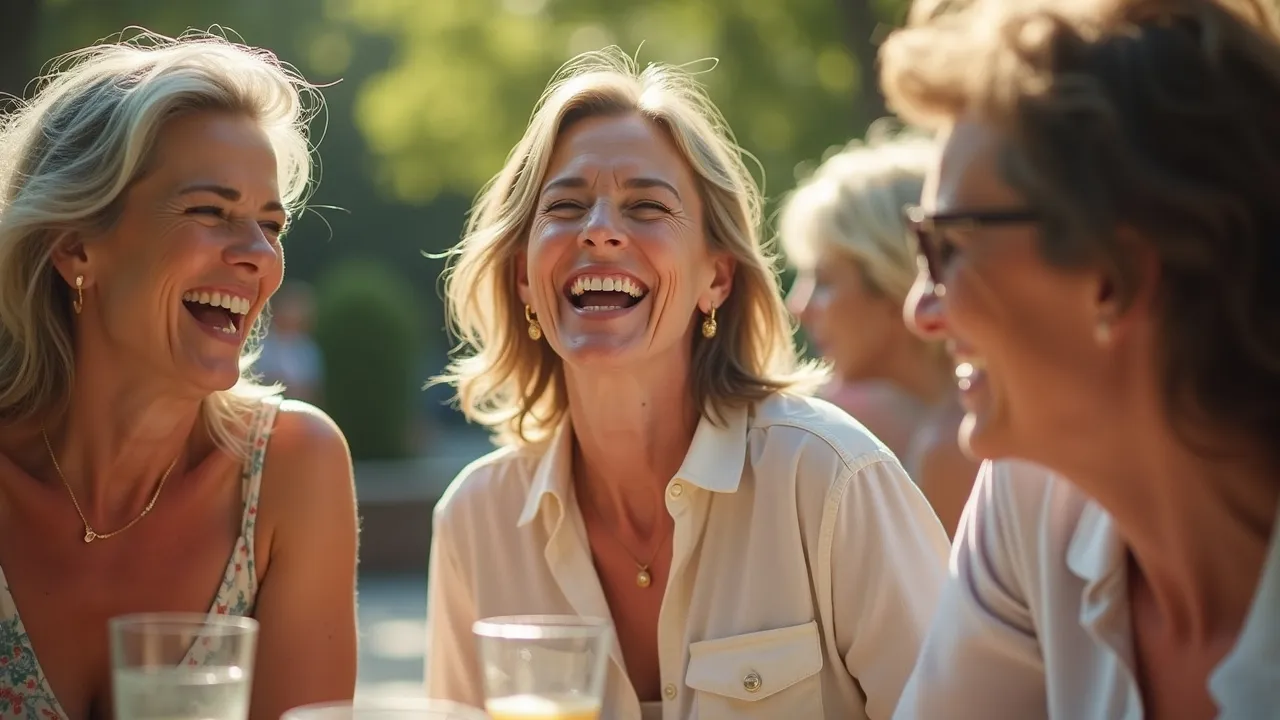
Observed on June 4th, Old Maid's Day celebrates and honors unmarried women, challenging outdated stereotypes. It's a day for independence, self-love, and community among singles.
The Historical Origins & Evolutionary Journey
Old Maid's Day, observed on June 4th, has a rich but largely informal history rooted in early 20th-century American culture. The term "old maid" historically referred to unmarried women past the typical marrying age, often carrying negative connotations of loneliness or failure. However, the observance emerged as a playful counter-narrative—a day to reclaim the label with pride and humor.
The Foundational Catalyst
The exact catalyst for Old Maid's Day is obscure, but anecdotal evidence points to the 1930s, when a group of unmarried women in the Midwest decided to throw a party for themselves and their peers on June 4th. The date was chosen arbitrarily, perhaps because of its position in late spring—a time of renewal and outdoor gatherings. The event gained local traction through word-of-mouth and small newspaper mentions.
The Legislative/Official Adoption
Old Maid's Day never received federal or state recognition. Instead, it grew as a grassroots celebration, particularly in rural communities. By the mid-20th century, greeting card companies and novelty gift brands began producing items for the day, helping cement it in popular culture. In the 1970s, the second-wave feminist movement embraced the observance as a symbol of female independence, reframing singleness as a choice rather than a stigma.
Modern Global Legacy
Today, Old Maid's Day is observed primarily in the United States but has spread via social media and international singles communities. The focus has shifted from mocking to empowering—a day to celebrate self-sufficiency, friendships, and the freedom to forge one's own path. It has also inspired related observances like "Singles Day" (November 11) in Asia.
How to Celebrate Old Maid's Day
Old Maid's Day offers countless opportunities for individuals, friends, and organizations to honor single women. Below are actionable ideas, complete with cultural variations from around the world.
For Individuals
- Self-Care Rituals: Treat yourself to a spa day, buy yourself flowers, or get that book you've been wanting.
- Start a New Hobby: Take a cooking class, join a book club, or learn a musical instrument.
- Plan a Solo Adventure: Go on a day trip to a museum or hiking trail. Embrace the freedom of being alone.
For Groups and Friends
- Host a "Spinster Brunch": Gather unmarried friends for a potluck featuring each person's favorite dish. Play card games like "Old Maid" for nostalgia.
- Organize a Skill Swap: Share talents—someone teaches knitting, another offers financial planning tips.
- Create a Vision Board Party: Dream about future goals without relationship pressure.
Global Traditions
- United States: Many women wear purple (symbolizing independence) and exchange humorous cards.
- Japan: Some unmarried women celebrate by treating themselves to popular "Josei" (women's) events like tea ceremonies.
- Germany: Informal gatherings with themed cakes—often decorated with caricatures of "old maids" riding brooms, reclaiming the witch stereotype.
- South Korea: Anti-stigma campaigns encourage women to take solo trips or enroll in self-defense classes.
Cultural Significance and Stereotype Busting
Old Maid's Day directly confronts deeply ingrained societal stereotypes about unmarried women. The term "old maid" has historically been used to shame women who remained single past a certain age, implying they were undesirable, bitter, or incomplete. This observance flips that narrative.
The Archetype Reimagined
In literature and film, the old maid was often a tragic figure—Miss Havisham in Great Expectations or the lonely neighbor in countless stories. Modern reinterpretations, like the comic advice "spinster aunt" in children's books, have softened the image. Old Maid's Day encourages media literacy and critical discussions about how single women are portrayed.
Statistical Truths
According to 2023 Pew Research, 38% of U.S. adults aged 25-54 are unmarried—the highest percentage in decades. Women in this group often report higher levels of education and career satisfaction than their married peers. The day provides a platform to share these empowering statistics and normalize the single life.
Global Perspectives on Singlehood
Old Maid's Day is predominantly observed in the United States, but its theme resonates globally. Different cultures have their own approaches to honoring unmarried women, often intertwining with feminist and economic movements.
Scandinavian Model
In countries like Sweden and Norway, where gender equality is prioritized, there is no specific day for old maids; instead, the concept is integrated into broader celebrations of Women's Day. Single women are celebrated for their contributions to the workforce.
Chinese "Double Eleven"
While not directly related, China's Singles' Day (November 11) started as an anti-Valentine's Day for unmarried people and has become the world's largest online shopping event. It shares the spirit of self-reward that defines Old Maid's Day.
Middle Eastern Nuances
In many conservative societies, being an unmarried older woman can carry severe stigma. Grassroots groups in Lebanon and the UAE have begun using social media to promote visibility and rights, often referencing Western observances like Old Maid's Day for inspiration.
Mental Health and Empowerment
Old Maid's Day plays a subtle yet meaningful role in mental health by challenging the loneliness narrative. Research shows that unmarried women often have robust social networks and lower stress levels than married counterparts. The day promotes strategies for well-being.
Building Community
Encouraging unmarried women to form tight-knit circles has proven benefits. Studies indicate that strong platonic friendships increase longevity and happiness. Old Maid's Day events often facilitate such connections.
Financial Independence
Single women are increasingly financial planners. The day includes workshops on budgeting, investing, and negotiating salaries, empowering attendees to secure their future.
Key message: Singleness is not a deficit but a different lifestyle with unique advantages.
Modern Relevance and Social Media Impact
In the age of Instagram, TikTok, and Twitter, Old Maid's Day has found a new lease on life. Hashtags like #OldMaidsDay and #ProudSpinster trend lightly on June 4th, with women sharing their stories and challenging stereotypes.
Viral Campaigns
In 2022, a viral TikTok video by a woman in her 40s showed her throwing a "Spinster Soirée" featuring a cake with a bride figurine running away. The video garnered millions of views and sparked a wave of similar celebrations.
Criticism and Reclamation
Some critics argue the term "old maid" remains inherently offensive. In response, celebrations have adopted alternative names like "Single Women's Day" or "Unmarried and Unbothered Day." The debate itself fuels engagement and keeps the observance relevant.
Data point: Twitter analytics for #OldMaidsDay show a 40% year-over-year increase in mentions since 2019, driven by women aged 45+.
Future of the Observance
As societal norms evolve, so too must Old Maid's Day. The future of this observance lies in inclusivity and intersectionality.
Broadening the Scope
Future celebrations should embrace all unmarried individuals—including men (bachelor's day?), LGBTQ+ communities, and those who are divorced or widowed. The term "old maid" itself may be phased out in favor of more inclusive language.
Potential for Official Recognition
While unlikely to become a national holiday, local municipalities could adopt proclamations. Some cities already issue symbolic declarations each June 4th.
Call to action: Use the day to push for policy changes, such as equal pay and affordable childcare, which disproportionately affect single women.
Historical Timeline
A group of unmarried women in the U.S. Midwest informally begins celebrating June 4th as a day to honor their independence, marking the earliest known observance of Old Maid's Day.
Greeting card companies start producing novelty cards for Old Maid's Day, helping popularize the observance across the United States.
Second-wave feminists reclaim Old Maid's Day as a symbol of female autonomy, rejecting the stigma of the term 'old maid' and celebrating choice.
The rise of social media platforms like Facebook and Twitter allows global communities of single women to share stories and coordinate events, expanding the day's reach.
Twitter hashtag #OldMaidsDay records a 40% increase in mentions year-over-year, driven by viral posts from women aged 45+ challenging stereotypes.
A TikTok video featuring a 'Spinster Soirée' cake goes viral, sparking a wave of modern, playful celebrations and discourse on the term's relevance.