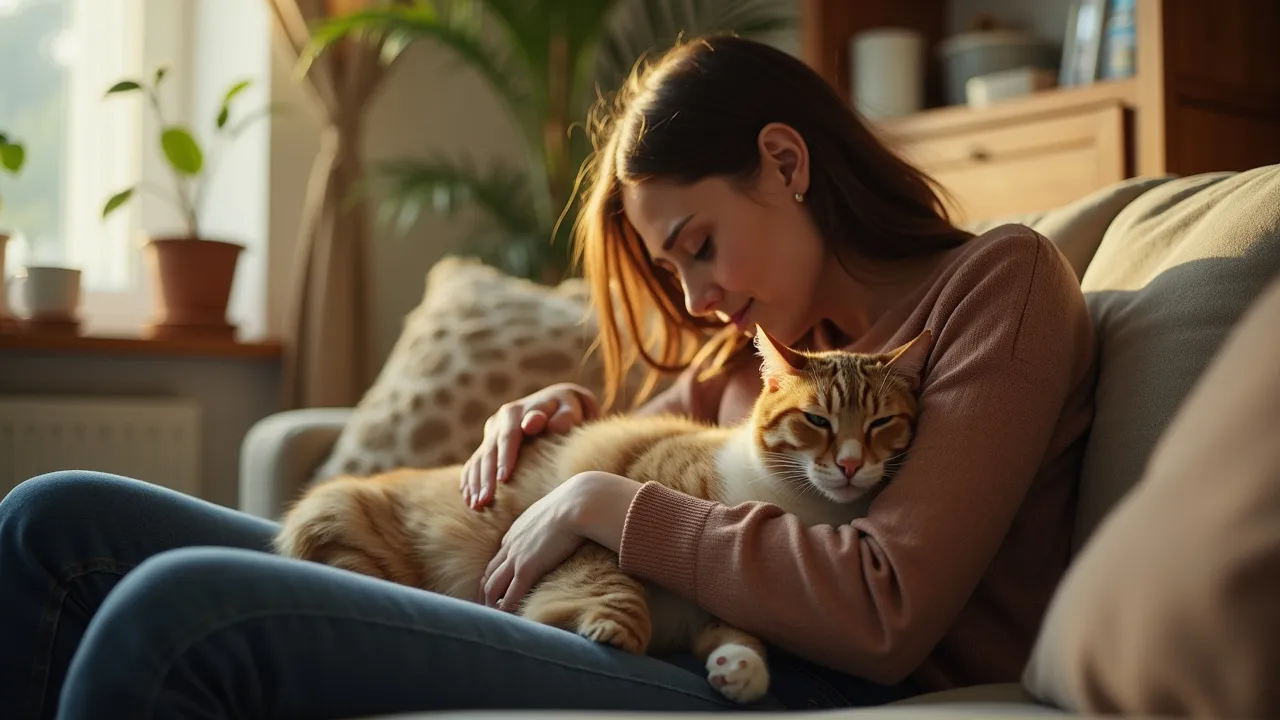
National Hug Your Cat Day on June 4th celebrates the special bond between humans and felines, encouraging affectionate hugs and quality time. Discover the history, benefits, and safe ways to show your cat love.
The Historical Origins & Evolutionary Journey
National Hug Your Cat Day, observed annually on June 4th, emerged from the growing recognition of the human-feline bond. While the exact founder remains unidentified, the observance gained traction in the late 1990s through cat advocacy groups and pet lifestyle websites.
The Foundational Catalyst
The push for a dedicated hugging day stemmed from research showing that physical affection reduces stress in both cats and humans. Early cat behaviorists like John Bradshaw and Desmond Morris highlighted that hugging releases oxytocin, the 'bonding hormone,' in felines, though not all cats tolerate it. This scientific backing motivated animal welfare organizations to promote gentle interactions.
The Legislative/Official Adoption
Unlike some observances, National Hug Your Cat Day was never legislated. Instead, it spread organically through social media campaigns and pet industry marketing. The American Society for the Prevention of Cruelty to Animals (ASPCA) and the Cat Fanciers' Association (CFA) unofficially endorsed the day by sharing safety tips and encouraging adoption events.
Modern Global Legacy
Today, the observance has evolved beyond a simple hug. Shelters and rescue groups use June 4th as a platform to promote cat adoptions and educate owners on reading feline body language. The day also coincides with National Adopt-a-Cat Month, amplifying its impact.
How to Celebrate National Hug Your Cat Day
Celebrating National Hug Your Cat Day requires understanding your cat's comfort zone. Follow this definitive guide to ensure a safe, joyful experience for both you and your feline friend.
Step-by-Step Celebration Guide
- Assess your cat's mood: Approach slowly and look for relaxed ears, a gently twitching tail, and soft eyes. Avoid if ears are flattened or tail is thrashing.
- Initiate contact: Offer a hand for sniffing, then gently stroke the cat's head or chin before attempting a hug.
- Execute a proper hug: Support the cat's body fully with one arm under the chest and the other cradling the hindquarters. Keep the hug brief (10-15 seconds) and avoid squeezing.
- Watch for stress signals: If the cat stiffens, flicks its tail rapidly, or tries to pull away, release immediately.
Interactive Traditions & Events
- Shelter hugging sessions: Many animal shelters host cat-cuddling events on June 4th to socialize adoptable cats (call ahead to confirm availability).
- Home spa day: Combine hugs with a gentle brushing session to strengthen the bond.
- Social media sharing: Post photos using hashtags like #NationalHugYourCatDay and #CatHug to spread awareness.
Regional Variations
While June 4th is the primary date in the US, some countries observe similar events on different days:
- Australia: Cat Hug Day aligns with World Cat Day on August 8th.
- Japan: Cat appreciation days often fall on February 22nd (Cat Day) due to wordplay.
- United Kingdom: Hug Your Cat Day is typically observed on June 4th as well, though some groups celebrate in May during National Pet Month.
The Science Behind Cat Hugs
Recent studies underscore the physiological benefits of hugging cats. When a cat accepts a hug, both parties experience a drop in cortisol (stress hormone) and an increase in oxytocin. However, research also warns that forced hugging can cause stress-induced illnesses in felines.
Benefits for Humans
- Heart health: A 2015 study linked cat ownership to a 30% lower risk of heart attack.
- Mental wellbeing: Hugging releases dopamine and serotonin, reducing symptoms of anxiety and depression.
- Pain management: The purring vibration (20-140 Hz) promotes bone density and tissue repair.
Benefits for Cats
- Social bonding: Cats that tolerate human hugs often form stronger attachments, leading to better behavior.
- Stress reduction: Gentle hugs from a trusted person can lower a cat's heart rate.
- Grooming aid: Hugs often precede petting, which helps distribute natural oils and remove loose fur.
Safety Considerations & Feline Body Language
Not all cats enjoy hugs. Understanding feline body language is crucial to preventing bites or scratches. This section covers warning signs and safe alternatives.
Signs Your Cat Dislikes Hugs
- Ears back or flattened (airplane ears)
- Tail flicking rapidly or tucked between legs
- Dilated pupils or hissing
- Attempting to squirm away or freeze
Alternatives to Hugs
If your cat isn't a hugger, celebrate with alternative affection:
- Chin scratches: Many cats prefer chin and cheek rubs.
- Interactive play: Use wand toys to engage their hunting instincts.
- Treat puzzles: Mental stimulation strengthens your bond.
- Gentle brushing: Mimics social grooming and reduces shedding.
Cultural Significance & Global Impact
The day has evolved into a platform for cat advocacy worldwide. In 2020, during the COVID-19 pandemic, shelters reported a surge in adoption interest on June 4th. Social media campaigns like #HugYourCatChallenge raised funds for rescue organizations.
Impact on Cat Welfare
Many shelters use the day to promote spaying/neutering and microchipping. In countries like India and Brazil, where stray cat populations are high, local groups host vaccination drives and adoption fairs.
Corporate Participation
Pet brands like Purina and Friskies often launch limited-edition products or donate a portion of June 4th sales to cat charities. Veterinary clinics offer discounted wellness checkups.
Frequently Overlooked Aspects of Cat Hugging
While National Hug Your Cat Day is lighthearted, it also highlights overlooked topics such as consent in pet interactions and the needs of shy or traumatized cats.
Consent-Based Petting
Behaviorists now advocate for 'consent tests'—offering a hand and waiting for the cat to initiate contact. This approach reduces stress and builds trust.
The Special Needs of Rescue Cats
Many rescue cats have past trauma and may never tolerate hugs. For these cats, the best celebration is a calm environment and gentle voice.
Understanding these nuances ensures National Hug Your Cat Day remains a positive experience for all felines.
Historical Timeline
National Hug Your Cat Day is believed to have originated in the United States as a grassroots effort by cat lovers and pet publications.
Early online pet communities begin promoting June 4th as a day to celebrate cat-human affection, with forums sharing hugging tips.
The ASPCA features National Hug Your Cat Day on its official website, encouraging safe hugging practices.
Social media platforms like Facebook and Twitter amplify the day with viral photo challenges, reaching millions of cat owners.
A study published in Physiology & Behavior confirms that cat purring can promote human bone healing, adding scientific backing to the day's themes.
During the COVID-19 pandemic, virtual cat hugging events and online adoption drives become prominent, with shelters reporting record interest.
National Hug Your Cat Day gains official recognition from several animal welfare councils worldwide, including the World Cat Federation.