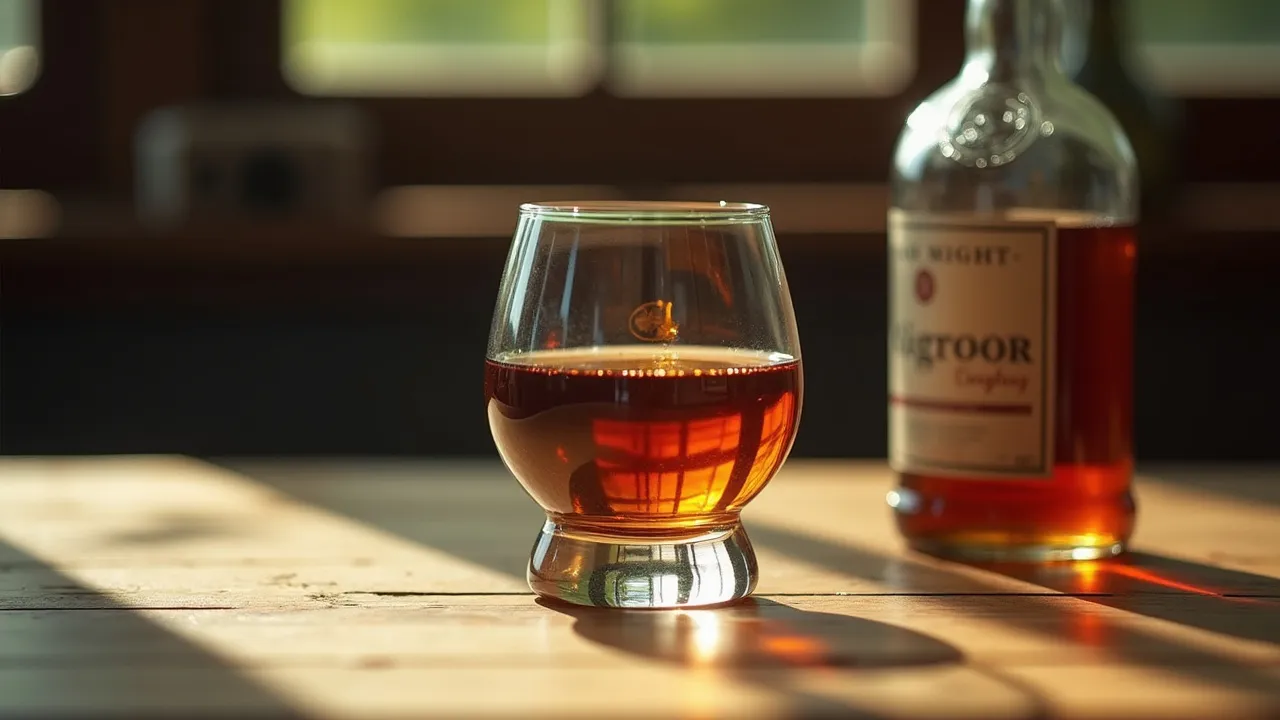
National Cognac Day on June 4th honors the world-renowned French brandy. Discover its rich history, production secrets, and perfect ways to celebrate this exquisite spirit.
The Historical Origins & Evolutionary Journey
National Cognac Day, observed annually on June 4th, is a tribute to one of the world's most revered spirits: cognac. This amber elixir, born in the Cognac region of southwestern France, has a history as rich as its flavor. The day was officially established by the Bureau National Interprofessionnel du Cognac (BNIC) in 2009 to promote and celebrate the cultural heritage, craftsmanship, and global influence of cognac.
The Foundational Catalyst
Cognac's origins trace back to the 16th century when Dutch traders began distilling wine to preserve it for long sea voyages. The double-distillation method, perfected by local vintners, produced a concentrated spirit that evolved into modern cognac. By the 17th century, cognac had become a coveted luxury good across Europe, with notable figures like King Louis XIV endorsing it.
The Legislative/Official Adoption
The protected designation of origin (AOC) for cognac was established in 1936, legally defining the production area and methods. The BNIC, formed in 1946, governs all aspects of cognac production and marketing. The creation of National Cognac Day in 2009 was a strategic move to boost global appreciation and sales, especially in emerging markets.
Modern Global Legacy
Today, cognac is celebrated not only in France but worldwide, particularly in the United States, China, and Africa. National Cognac Day has grown into a day of tastings, pairing events, and social media campaigns. It represents the intersection of tradition and modernity, as cognac houses innovate with limited editions and collaborations while honoring centuries-old techniques.
How to Celebrate National Cognac Day
Celebrating National Cognac Day is about savoring the spirit responsibly and sharing its story. Whether you're a connoisseur or a curious newcomer, here are actionable ways to honor June 4th.
For Individuals
- Host a Tasting Party: Gather friends and compare different cognac grades (VS, VSOP, XO). Use tasting notes to identify aromas and flavors.
- Pair with Food: Cognac pairs beautifully with dark chocolate, foie gras, cheese, and even sushi. Experiment with classic and modern pairings.
- Visit a Distillery: If in Cognac, France, tour houses like Hennessy, Rémy Martin, or Martell. Many offer special events on June 4th.
- Educate Yourself: Read about the terroir, aging process, and the six growth areas (crus) of the Cognac region.
For Organizations
- Corporate Tastings: Companies can host after-work cognac tastings to boost team morale and educate employees about luxury spirits.
- Social Media Campaign: Use hashtags like #NationalCognacDay, #CognacDay, and #CelebrateCognac to share photos and stories.
- Charity Events: Partner with cognac houses to donate a portion of sales to local arts or cultural preservation.
Regional Traditions
In the United States, cognac is often mixed in cocktails like the Sidecar or French Connection. In China, it is served neat or with green tea. In Africa, particularly in Nigeria, cognac is a symbol of success and often enjoyed in social gatherings. These diverse rituals highlight cognac's universal appeal.
Regional Date Variations & Global Traditions
While National Cognac Day is primarily observed on June 4th globally, some regions have independent celebrations or adapt the date to local customs. The primary date is set by the BNIC and promoted worldwide, but variations exist.
United States
In the U.S., June 4th is widely recognized by retailers, bars, and cognac enthusiasts. Major cognac brands run promotional events and limited-edition releases. Some states may hold local tastings on the nearest weekend.
France
In the Cognac region, June 4th is marked by distillery tours, vineyard visits, and the annual "Cognac Day" festival in the town of Cognac. Local producers open their doors for free tastings.
China
China, a key market, often celebrates on the same date but with a focus on gifting and high-end banquets. Some cities may host cognac masterclasses led by French cellar masters.
Other Regions
In the United Kingdom, the day is promoted by spirit retailers. In Japan, cognac is appreciated for its harmony with washoku cuisine. In Nigeria, the day is a major event with parties and influencer endorsements. While the date remains constant, the cultural expressions vary, reflecting cognac's global footprint.
The Art of Cognac Production & Aging
Cognac is a specific type of brandy produced in the Cognac region under strict regulations. The process involves several steps that define its character.
Grape Varieties & Harvest
Only three grape varieties are allowed: Ugni Blanc (the majority), Folle Blanche, and Colombard. Grapes are harvested in October and fermented into a thin, acidic wine.
Distillation
The wine is double-distilled in traditional copper pot stills during the winter months. The second distillation yields a clear spirit called "eau-de-vie" with about 70% ABV.
Aging
The eau-de-vie is aged in French oak barrels (Limousin or Tronçais) for a minimum of two years. Aging classifications:
- VS (Very Special): Aged at least 2 years.
- VSOP (Very Superior Old Pale): Aged at least 4 years.
- XO (Extra Old): Aged at least 10 years (since 2018).
- Napoléon: Similar to XO but older.
Blending
Master blenders combine eaux-de-vie of different ages and crus to achieve consistent flavor profiles. This art form is passed down through generations.
The terroir—soil, climate, and microclimate—plays a crucial role. The region has six crus: Grande Champagne, Petite Champagne, Borderies, Fins Bois, Bons Bois, and Bois Ordinaires, each contributing unique characteristics.
Tasting Notes & Sensory Experience
Appreciating cognac involves engaging all senses. Follow this guide for a professional tasting.
Visual Examination
Pour a small amount into a tulip glass and observe the color. Young VS cognacs are pale gold; older XO cognacs are deep amber or mahogany. Swirl the glass to see the "legs" or tears—indicative of alcohol content and viscosity.
Aroma Assessment
Hold the glass at a distance initially to avoid alcohol burn. Then bring it closer and inhale. Common notes include:
- Fruit: Raisin, fig, apricot, citrus.
- Floral: Jasmine, violet, lily.
- Spice: Cinnamon, nutmeg, clove.
- Wood: Oak, vanilla, tobacco, leather.
Palate and Finish
Take a small sip and let it coat your mouth. Note the initial sweetness (from caramel), then the warmth of alcohol, and finally the lingering finish. High-quality cognacs have a long, smooth finish with no bitter notes.
Temperature matters: serve cognac at room temperature (18-20°C) in a tulip glass to concentrate aromas. Avoid ice unless in a cocktail.
Cognac Pairing & Culinary Uses
Cognac is not just for sipping; it elevates cuisine and cocktails. Here are classic and contemporary pairings.
Food Pairings
- Dark Chocolate: The bitterness complements cognac's sweetness.
- Foie Gras: Rich and fatty, pairing with VSOP or XO.
- Cheese: Aged cheddar, Comté, or blue cheese.
- Seafood: Lobster or scallops in a cognac sauce.
- Desserts: Crème brûlée, tiramisu, or flambéed fruits.
Cocktails
- Sidecar: Cognac, Cointreau, lemon juice.
- French Connection: Cognac and Amaretto.
- Brandy Alexander: Cognac, crème de cacao, cream.
- Cognac Sour: Cognac, lemon juice, simple syrup, egg white.
In Cooking
Cognac is used in flambéed dishes (steak au poivre, crêpes Suzette), sauces (cognac cream sauce), and even in baked goods. The alcohol burns off, leaving a rich, fruity essence.
Industry Impact & Global Market
Cognac is a major economic force in France and a luxury export worldwide. The BNIC reports that total cognac sales exceed 200 million bottles annually, with the U.S. and China as top markets.
Economic Significance
The industry employs over 15,000 people directly and supports thousands of growers, distillers, and coopers. The region's economy is heavily dependent on cognac, with premium and ultra-premium segments driving growth.
Market Trends
in emerging markets like India and Africa. Limited editions and celebrity collaborations (e.g., with hip-hop artists) have boosted brand visibility. The rise of cocktail culture has also increased demand for VS and VSOP grades.
Sustainability Efforts
Cognac houses are investing in sustainable viticulture, reducing water usage, and using lighter glass bottles to lower carbon footprint. The BNIC has set targets for organic farming and biodiversity preservation.
National Cognac Day amplifies these stories, encouraging consumers to appreciate the craftsmanship and heritage behind each bottle.
Common Myths & Misconceptions
Several myths surround cognac. Let's debunk them with facts.
- Myth: Cognac must be expensive to be good. Fact: Many excellent VS and VSOP cognacs are affordable and enjoyable.
- Myth: Cognac should only be drunk straight. Fact: It's versatile in cocktails and cooking.
- Myth: All brandy is cognac. Fact: Cognac is a specific type of brandy from the Cognac region.
- Myth: Older is always better. Fact: Age affects character but not necessarily quality; some prefer younger, fruitier cognacs.
- Myth: Cognac is for special occasions only. Fact: It can be enjoyed casually.
National Cognac Day is the perfect time to explore and dispel these myths.
Historical Timeline
Dutch traders begin distilling wine in the Cognac region to preserve it for transport, creating the precursor to cognac.
The French government defines the Cognac appellation boundaries, legally protecting the region.
Cognac receives the AOC (Appellation d'Origine Contrôlée) status, cementing its unique production standards.
Bureau National Interprofessionnel du Cognac (BNIC) is founded to regulate and promote the cognac industry.
First National Cognac Day celebrated on June 4th, established by the BNIC to increase global awareness.
XO aging requirement increased from 6 to 10 years, raising quality standards.
Cognac exports reach 200 million bottles, with strong growth in China and the US despite the pandemic.