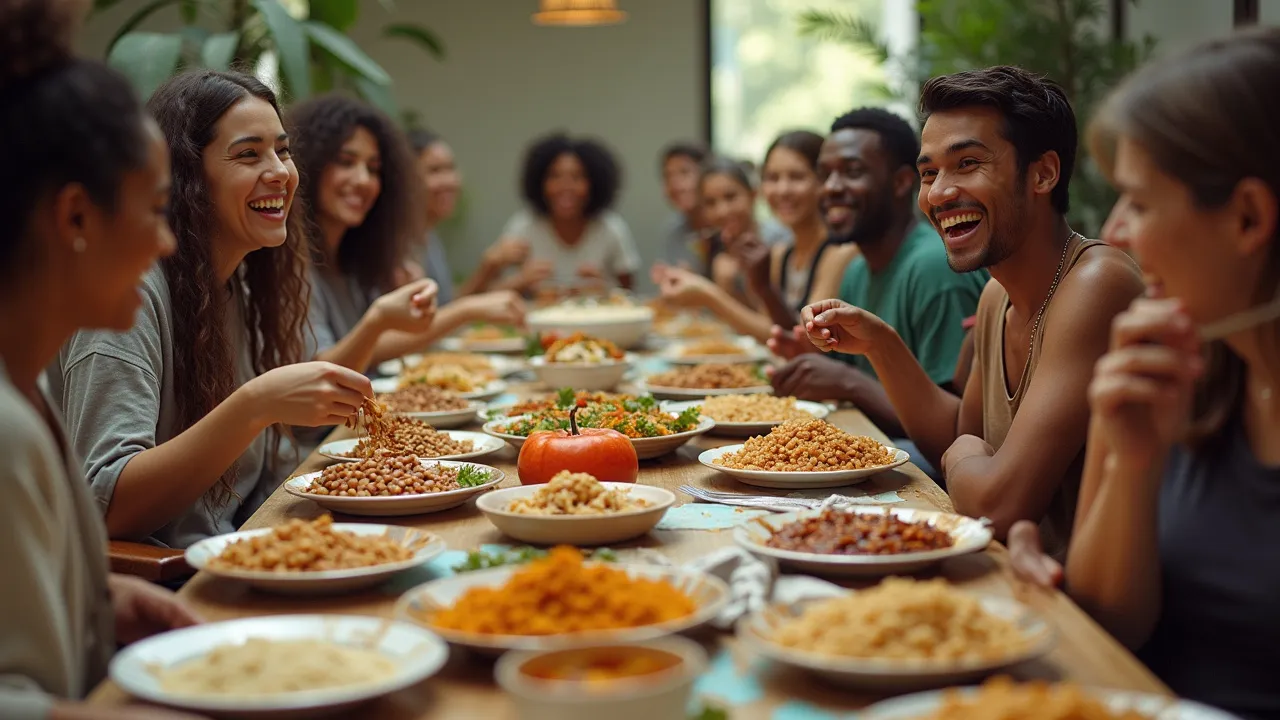
Never Bean Better Day, observed annually on August 22nd, celebrates the humble bean—its nutritional power, global culinary versatility, and sustainable impact. This day honors bean farmers, promotes plant-based eating, and encourages everyone to enjoy beans in creative, delicious ways.
The Historical Origins & Evolutionary Journey of Never Bean Better Day
Never Bean Better Day was first conceptualized in 2017 by the Bean Institute, a non-profit dedicated to promoting the dietary and environmental benefits of legumes. The founders recognized that beans—including kidney beans, black beans, chickpeas, lentils, and soybeans—were often overlooked in modern diets despite being a staple for millennia. They chose August 22nd to align with the peak harvest season for many bean varieties in the Northern Hemisphere, ensuring fresh availability for celebrations.
Foundational Catalyst: The Need for Bean Advocacy
In the early 2010s, global food trends shifted toward plant-based proteins, yet beans faced an image problem: they were associated with bland meals or lengthy cooking times. The Bean Institute launched a campaign to rebrand beans as "the original superfood," citing their rich fiber, protein, vitamins, and low environmental footprint. Never Bean Better Day was the flagship initiative.
Legislative & Official Adoption
The day gained official recognition in 2018 when several U.S. states—led by California, Colorado, and Michigan—issued proclamations. By 2020, the United Nations Food and Agriculture Organization (FAO) endorsed the day, linking it to Sustainable Development Goal #2 (Zero Hunger). Today, it is observed in over 30 countries, with local variations.
Modern Global Legacy
Never Bean Better Day now encompasses three pillars: nutritional awareness (beans reduce chronic disease risk), culinary creativity (from brownies to burgers), and agricultural sustainability (beans fix nitrogen, reducing fertilizer needs). The day has spawned bean-themed charity runs, cooking competitions, and school nutrition programs.
How to Celebrate Never Bean Better Day
Celebrations vary worldwide, but all revolve around enjoying and advocating for beans. Below is the ultimate guide to participating meaningfully.
For Individuals & Families
- Cook a Bean Feast: Try new recipes such as spicy black bean tacos, Moroccan chickpea stew, or classic baked beans from scratch. Aim to use at least three different bean types.
- Bean Tasting Party: Gather friends to sample various beans and vote on favorites. Provide cards with nutritional info.
- Donate Canned Beans: Most food banks welcome shelf-stable beans. Organize a neighborhood drive.
For Schools & Community Groups
- Bean Art Projects: Use dried beans of different colors to create mosaics or maps—fun for kids and adults.
- Garden Planting: Plant bean seeds in a community garden to teach children about life cycles and sustainable agriculture.
Regional Traditions
United States
In the South, chili cook-offs dominate; in the Northeast, bean suppers (a tradition from Maine) are common. Many restaurants offer special bean-centric menus.
India
India celebrates with dal (lentil-based dishes) and chana masala. Markets hold bean-grading competitions.
Mexico
Frijoles refritos are the star, often served with handmade tortillas. Communities organize bean-eating contests.
United Kingdom
Heinz baked beans on toast is a national staple. The day features tastings of new bean-based snack foods.
Corporate & Social Rituals
- Bean Swaps: Companies encourage employees to exchange bean recipes.
- Sustainability Pledges: Farms host open houses to demonstrate regenerative practices.
The Nutritional Powerhouse: Why Beans Are a Superfood
Macronutrient Profile
Beans are unique as they provide both complex carbohydrates and plant-based protein. A single cup of cooked black beans offers about 15 grams of protein, 15 grams of fiber, and only 1 gram of fat. This makes them an ideal food for weight management, blood sugar control, and heart health.
Micronutrients
- Iron: Essential for oxygen transport; beans contain non-heme iron, which is better absorbed when paired with vitamin C (e.g., adding lemon juice).
- Folate: Crucial for cell growth, especially during pregnancy.
- Magnesium & Potassium: Support muscle and nerve function and help regulate blood pressure.
Health Benefits
Studies show that eating beans regularly can lower LDL cholesterol, reduce the risk of type 2 diabetes, and improve gut health due to their prebiotic fiber. The Never Bean Better Day campaign emphasizes that just one serving a day can significantly improve longevity.
Environmental Impact: How Beans Help the Planet
Low Carbon Footprint
Beans produce less than 1/10th the greenhouse gases per gram of protein compared to beef. Growing beans requires minimal water and can be cultivated in dry regions, making them a climate-resilient crop.
Soil Regeneration
As legumes, beans have a symbiotic relationship with bacteria that fix atmospheric nitrogen into the soil, reducing the need for synthetic fertilizers. This property is celebrated on Never Bean Better Day with workshops on cover cropping.
Food Waste Reduction
Dried beans have an indefinite shelf life. Canned beans are also low-waste when the liquid (aquafaba) is used as an egg substitute in baking. The day promotes creative uses of bean byproducts.
Global Culinary Traditions Featuring Beans
Classic Dishes Around the World
- Brazil: Feijoada (black bean stew with pork) is the national dish, often served with rice and collard greens.
- Italy: Pasta e fagioli (pasta and beans soup) is a rustic, comforting staple.
- Middle East: Hummus and ful medames (fava beans) are breakfast favorites.
- China: Fermented black beans (douchi) add umami to stir-fries.
Modern Fusion
Chefs worldwide are incorporating beans into desserts (black bean brownies), spreads (white bean hummus), and even bean-based pastas. Never Bean Better Day encourages home cooks to experiment with bean flours as gluten-free alternatives.
Economic and Social Significance of Bean Farming
Beans are a vital cash crop for smallholder farmers in Africa, Latin America, and Asia. The day highlights fair trade initiatives that ensure farmers receive a living wage. In countries like Rwanda and Kenya, beans are both a primary food source and a source of income for women, who often manage bean plots. Never Bean Better Day partners with organizations like World Food Programme to fund school feeding programs that include bean meals.
Historical Timeline
Beans are first domesticated in the Andes and Mesoamerica, becoming a foundational crop for ancient civilizations.
Greek and Roman texts reference beans as a staple; Pythagoras advises against eating them (a famous dietary taboo).
Columbus brings beans back to Europe; they spread rapidly through trade routes.
Canned baked beans become a commercial product in the U.S. (B & M brand) and UK (Heinz).
Rise of vegetarianism sparks renewed interest in beans as a protein source.
The Bean Institute is founded to promote bean consumption globally.
First official Never Bean Better Day on August 22, with events in 10 U.S. states.
The FAO endorses the day; observance expands to 30+ countries.
Over 50 million social media impressions using #NeverBeanBetterDay; corporate sponsorships from major food brands.