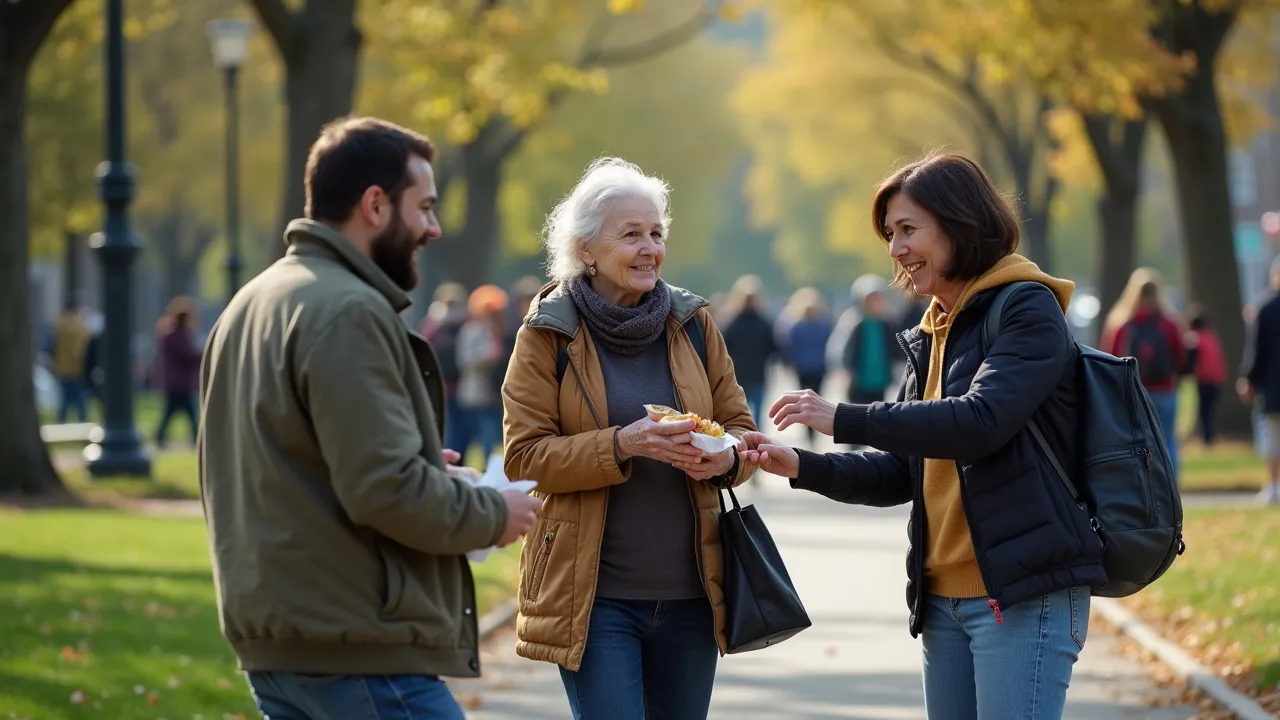
Be an Angel Day on August 22nd encourages everyone to perform random acts of kindness and emulate angelic behavior. Founded by C.J. Houghtaling in 1993, this day inspires selfless gestures that brighten lives and foster community goodwill.
The Historical Origins & Evolutionary Journey
Be an Angel Day traces its roots to a simple yet profound idea: that anyone can be an angel through kindness. The observance was conceived by C.J. Houghtaling in 1993, who envisioned a day dedicated to altruism and compassion. Initially celebrated informally in the United States, it quickly gained grassroots momentum through word-of-mouth and community organizations.
The Foundational Catalyst
Houghtaling, inspired by the concept of guardian angels, wanted to shift the focus from receiving help to giving it. The first celebrations involved small groups performing anonymous good deeds—paying for a stranger's coffee, leaving uplifting notes, or volunteering at shelters. The day's simple premise resonated deeply in a society yearning for connection.
The Legislative/Official Adoption
While Be an Angel Day lacks official government recognition, it has been embraced by numerous non-profits, religious institutions, and schools. In 1999, the Kindness Campaign formalized a partnership to promote the day nationwide. By the early 2000s, social media amplified its reach, with hashtags like #BeAnAngelDay trending annually on August 22nd.
Modern Global Legacy
Today, Be an Angel Day is observed across multiple continents. In the United Kingdom, charities host 'Angel Walks' to raise funds for hospice care. In Japan, corporations encourage employees to perform one unexpected kindness for a colleague. The day has evolved into a global movement emphasizing that small actions create ripples of positivity.
How to Celebrate Be an Angel Day
Celebrating Be an Angel Day requires no grand gestures—only the willingness to act selflessly. Below are actionable strategies for individuals, schools, and organizations to maximize impact.
Individual Acts of Kindness
- Anonymous Good Deeds: Pay for a stranger's meal, leave a gift card on a park bench, or donate to a local food bank in someone else's name.
- Volunteer Your Time: Spend an hour at an animal shelter, read to children at a library, or help an elderly neighbor with yard work.
- Write Encouraging Notes: Leave sticky notes with positive affirmations in public places—library books, bus seats, or workplace bathrooms.
School & Group Activities
- Kindness Jar Challenge: Each student places a small note describing a kind act they performed. At day's end, read them aloud.
- Angel Pledge: Have participants sign a pledge to perform at least one angelic deed each week for a month.
- Community Clean-Up: Organize a neighborhood litter pickup, planting flowers in public spaces.
Corporate & Organizational Initiatives
- Random Acts of Appreciation: Managers surprise employees with handwritten thank-you cards or small gifts.
- Match Donations: Companies match employee charitable contributions made on August 22nd.
- Skill-Based Volunteering: Use professional expertise—lawyers offer free legal clinics, designers create logos for non-profits.
Global Variations
In Brazil, communities host 'Angel Parties' where people bring non-perishable foods to exchange. In South Africa, participants wear white clothing to symbolize purity of intent. In the Philippines, students sing carols at hospitals, embodying the angelic spirit through music.
The Psychological Impact of Altruism
Performing acts of kindness—like those encouraged on Be an Angel Day—triggers the 'helper's high,' a release of endorphins that boosts mood and reduces stress. Studies published in the Journal of Social Psychology demonstrate that altruistic behavior enhances life satisfaction and strengthens social bonds.
Neurochemical Effects
When we give, the brain releases oxytocin (the love hormone), serotonin (mood regulator), and dopamine (reward chemical). These neurochemicals lower blood pressure, decrease depression markers, and even promote longevity.
Ripple Effect in Communities
Witnessing kindness inspires others to act. A landmark study from the University of California found that one generous act can influence up to three degrees of separation—meaning your single deed could indirectly affect dozens of people.
Long-Term Benefits
Regular practice of kindness has been linked to reduced anxiety, improved immune function, and stronger relationships. Be an Angel Day serves as a catalyst to build lifelong habits of compassion.
Be an Angel Day in Pop Culture and Media
Though not as mainstream as holidays like Valentine's Day, Be an Angel Day has carved a niche in media. Television shows such as Friends and The Office have dedicated episodes to 'secret angel' plotlines, often airing near August 22nd. In 2010, the Kindness Rocks Project went viral, with painted rocks encouraging people to 'be an angel' hidden in public spaces.
Social Media Campaigns
Influencers and brands use the day to promote charitable partnerships. The hashtag #BeAnAngelDay garners millions of impressions, with posts showing acts like buying groceries for a neighbor or sheltering a stray pet.
Music and Art
Songs like 'Angel' by Sarah McLachlan are frequently played on radio stations. Artists create murals depicting angels performing everyday kindnesses, turning city walls into galleries of hope.
Corporate Social Responsibility and Brand Alignment
Many companies leverage Be an Angel Day to strengthen their Corporate Social Responsibility (CSR) initiatives. By aligning with the day's ethos, brands enhance reputation while making tangible community impact.
Examples of Successful Campaigns
- Starbucks: On August 22nd, select locations offered a free drink to any customer who performed a kind act for a stranger—shared via a 'pay it forward' board.
- Patagonia: Donated 1% of sales to environmental charities, framing the purchase as an 'angelic act for the planet.'
- Local Businesses: Bakeries deliver free pastries to fire stations and hospitals, fostering goodwill and positive PR.
Employee Engagement
Internal programs like 'Angel Hours' give paid time off to volunteer. Studies show such efforts reduce turnover and boost morale. Be an Angel Day provides a perfect framework for launching year-round kindness programs.
Criticisms and Challenges of the Observance
Despite its positive intent, Be an Angel Day faces criticisms. Some argue that designating a single day for kindness undermines the need for consistent altruism. Others worry about performative acts—where people post good deeds online primarily for praise, diluting authenticity.
Addressing the Critics
Proponents counter that a dedicated day raises awareness and prompts action that might not otherwise occur. To avoid 'slacktivism,' organizers encourage anonymous deeds without social media tagging. The day's founder emphasizes that the goal is to inspire ongoing behavior, not temporary spectacle.
Inclusivity in Representation
Efforts are ongoing to ensure the day's narratives include diverse cultural interpretations of 'angelic' behavior—not just Western Christian imagery but also secular humanist values of compassion.
Future Directions and Global Expansion
As Be an Angel Day enters its fourth decade, its potential for growth is immense. Partnerships with international humanitarian organizations could amplify its reach. Educational curricula that incorporate kindness training—modeled after the day's principles—are being piloted in several countries.
Digital Innovations
Apps like Random Acts of Kindness now feature daily challenge prompts, with Be an Angel Day acting as a launchpad for year-round engagement. Virtual reality experiences allow users to 'step into the shoes' of those in need, fostering deeper empathy.
Corporate and Government Endorsement
Lobbying for August 22nd to be recognized as a National Day of Service is underway in the United States. Similar bills have been introduced in Australia and Canada, reflecting a global push for institutional support.
Historical Timeline
C.J. Houghtaling founds Be an Angel Day, first observed among friends and local community in the United States.
The Kindness Campaign partners with Houghtaling to promote the day nationwide, distributing toolkits for schools and churches.
First international observance reported in the United Kingdom and Canada, with charity events supporting hospice care.
Social media takes off; #BeAnAngelDay trends on Twitter, inspiring celebrities to participate.
Corporate adoption grows: Starbucks, Target, and Patagonia launch 'Angel Day' promotions and donation drives.
During the COVID-19 pandemic, the day sees record participation as people sew masks, deliver groceries, and check on vulnerable neighbors.
30th anniversary; global events include a live-streamed kindness marathon and the launch of a mobile app for tracking good deeds.