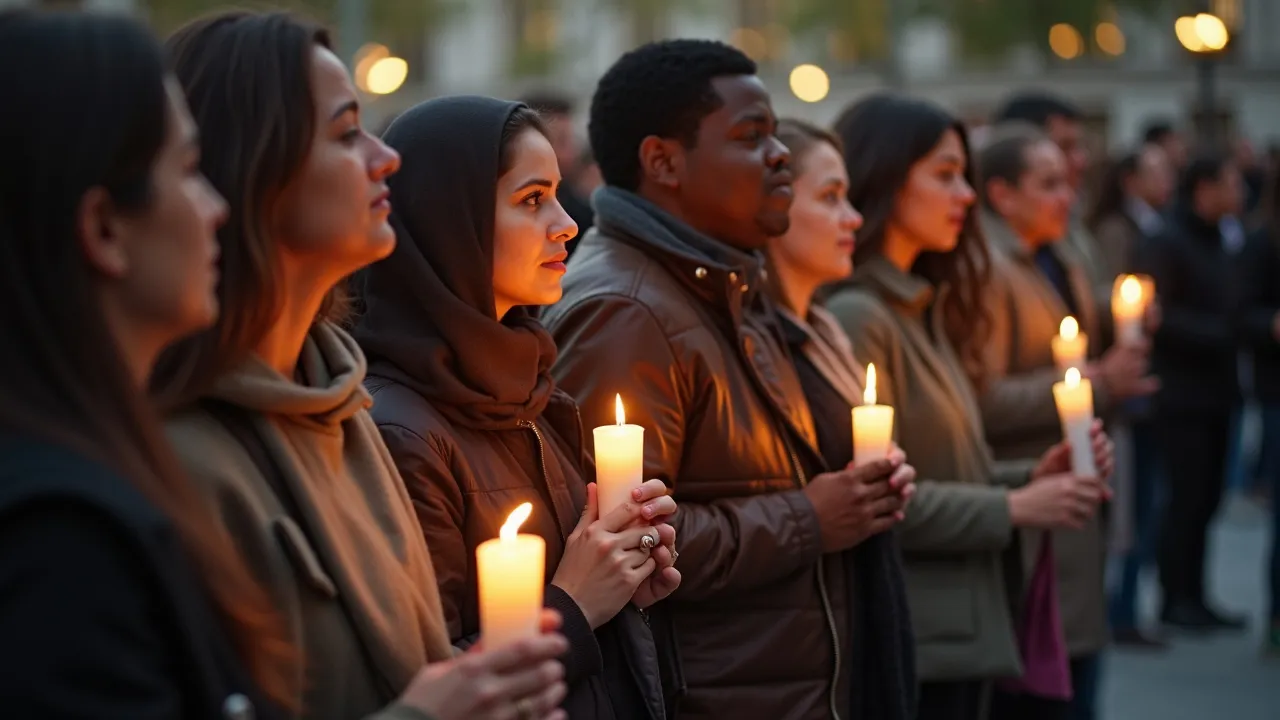
Observed on August 22nd, this UN-designated day honors victims of violence based on religion or belief and promotes freedom of religion worldwide.
Historical Origins & Evolutionary Journey
The International Day Commemorating the Victims of Acts of Violence Based on Religion or Belief was established by the United Nations General Assembly through resolution A/RES/73/296 on June 28, 2019. This observance, occurring annually on August 22nd, emerged from a growing global recognition of the need to address rising intolerance, discrimination, and violence targeting individuals based on their faith or belief systems.
The Foundational Catalyst
The late 2010s saw a significant surge in hate crimes, attacks on places of worship, and systemic persecution of religious minorities. High-profile incidents, such as the 2019 Christchurch mosque shootings and the Easter Sunday bombings in Sri Lanka, underscored an urgent need for international action. Civil society organizations, human rights advocates, and religious leaders lobbied the UN to dedicate a day that would not only memorialize victims but also galvanize efforts to prevent future atrocities.
The Legislative/Official Adoption
On June 28, 2019, the UN General Assembly adopted Resolution 73/296 without a vote, demonstrating broad cross-regional support. The resolution explicitly condemned all forms of violence based on religion or belief and urged member states to uphold international human rights standards, including the right to freedom of thought, conscience, and religion. The selection of August 22nd honored the memory of victims from various faiths, including those targeted in the 2017 attacks in Barcelona and Cambrils, Spain.
Modern Global Legacy
Since its first observance in 2019, the day has been marked by UN offices, NGOs, and governments through conferences, interfaith dialogues, and public vigils. The COVID-19 pandemic posed challenges but also highlighted the resilience of communities. The day now serves as a pivotal platform for advocating for legal reforms, documenting violations, and fostering interreligious understanding.
How to Celebrate International Day Commemorating the Victims of Acts of Violence Based on Religion or Belief
Participation in this observance can take many forms, from individual reflection to organized community events. Below are actionable strategies for different groups.
For Individuals
- Educate Yourself: Read about religious persecution in different regions using resources from reputable organizations like the UN or Human Rights Watch.
- Attend a Virtual Vigil: Many interfaith groups host online memorials featuring personal testimonies and moments of silence.
- Social Media Advocacy: Share official UN materials using hashtags like #BeliefFreedom or #August22 with properly attributed quotes from survivors.
For Schools and Universities
- Organize an Interfaith Panel: Invite speakers from diverse religious backgrounds to discuss the impact of intolerance and the importance of mutual respect.
- Essay or Art Competitions: Encourage students to express their understanding of religious freedom through creative works, with winners announced on August 22.
For Organizations
- Workshops on Religious Literacy: Host training sessions to help employees recognize biases and foster inclusive workplaces.
- Partner with NGOs: Support local or international groups working to protect religious minorities, such as Aid to the Church in Need or the International Religious Freedom Roundtable.
Regardless of the approach, the core goal is to honor victims while actively contributing to a world where no one fears persecution for their beliefs.
Global Impact and Importance
The observance plays a critical role in raising awareness about the prevalence of religiously motivated violence. According to the Pew Research Center, government restrictions on religion and social hostilities involving religion have been on the rise globally, affecting more than 5.6 billion people (72% of the world's population) in 2019. By dedicating a specific day, the UN amplifies the voices of victims and pressures governments to fulfill their obligations under international law.
Key Statistics
- Over 2.3 billion people live in countries with high or very high restrictions on religion.
- In 2021, the U.S. Department of State designated 16 countries as Countries of Particular Concern (CPCs) for engaging in or tolerating severe violations of religious freedom.
The day also serves as a catalyst for policy changes. For instance, several nations have introduced hate crime legislation or established national commissions on religious freedom following advocacy efforts linked to the observance.
Core Themes and Issues
Each year, the UN selects a theme to focus advocacy. Past themes have included 'Standing Up for Religious Freedom for All' and 'Protecting Minority Faiths.' Key issues consistently addressed include:
Discrimination Against Minorities
Members of minority religious groups, such as Ahmadis in Pakistan or Rohingya Muslims in Myanmar, face structural discrimination, forced conversions, and state-sanctioned violence. The day highlights these specific cases to mobilize international pressure.
Attacks on Places of Worship
Churches, mosques, synagogues, and temples are increasingly targeted. Examples include the 2019 Al Noor Mosque attack in Christchurch and the 2021 attacks on Catholic churches in Burkina Faso. The observance calls for better security measures and interfaith solidarity.
Online Hate Speech
The digital realm has become a breeding ground for incitement to religious hatred. The day advocates for tech companies to enforce policies against hate speech while respecting free expression.
Role of Governments and International Organizations
Effective implementation of the day’s principles requires concerted action at multiple levels.
United Nations Initiatives
The UN Office of the High Commissioner for Human Rights (OHCHR) releases reports on religious intolerance and organizes expert panels. The UN Alliance of Civilizations promotes cross-cultural dialogues.
National Governments
Many countries issue official proclamations, hold parliamentary sessions, and launch public awareness campaigns. Some allocate funding for preservation of religious heritage sites or for victim rehabilitation programs.
Non-Governmental Organizations (NGOs)
Groups like Amnesty International and Open Doors release annual reports on religious persecution, conduct advocacy campaigns, and provide direct aid to victims. The day amplifies their calls for action.
Without coordinated efforts, the day risks being a symbolic gesture. Therefore, the UN urges member states to integrate the observance into national human rights calendars and monitor progress on religious freedom.
Personal Stories and Advocacy
Behind the statistics are real people whose lives have been torn apart by religious violence. Sharing their stories is a powerful tool for change.
Survivor Testimonies
Individuals like Asia Bibi, a Christian woman in Pakistan falsely accused of blasphemy and acquitted after years on death row, exemplify resilience. The day often features recorded testimonies from survivors, highlighting both trauma and hope.
Advocacy Campaigns
The #BeliefFreedom campaign encourages individuals to post selfies with a sign stating one religious freedom fact. These user-generated content pieces humanize the issue and reach wider audiences on social media.
How to Get Involved
- Donate to legal defense funds for persecuted individuals.
- Write to your local representative urging stronger hate crime laws.
- Host a documentary screening in your community featuring films like 'For the Bible Tells Me So' or 'The Sultan and the Saint'.
Remember that the goal is not only to mourn but to act—transforming awareness into meaningful protection for vulnerable communities.
Historical Timeline
UN General Assembly adopts Resolution 73/296 on June 28, establishing August 22 as the International Day Commemorating the Victims of Acts of Violence Based on Religion or Belief.
First official observance on August 22, with events at UN headquarters in New York and Geneva, including a panel discussion on rising religious intolerance.
Observance held virtually due to COVID-19 pandemic, focusing on online hate speech and attacks on religious minorities during the health crisis.
Theme 'Protecting Minority Faiths' highlights discrimination against Ahmadis, Bahá'ís, and other groups, with a special report by the UN Special Rapporteur on freedom of religion.
UN launches #BeliefFreedom campaign to amplify survivor stories and encourage member states to adopt national action plans against religious violence.
Fifth anniversary marked by interactive global vigils and the release of a consolidated database on religious persecution incidents.