National Washington State Day, observed on May 10th, celebrates the rich history, diverse culture, and natural wonders of Washington State. Explore its journey from territorial days to modern innovation.
The Historical Origins & Evolutionary Journey
National Washington State Day, observed each year on May 10th, honors the unique heritage and contributions of the 42nd state of the United States. Although Washington was admitted to the Union on November 11, 1889, the May 10th date was chosen to commemorate the signing of the Washington State Constitution in 1889—a pivotal moment that laid the groundwork for statehood.
The Foundational Catalyst
Long before statehood, the region was home to numerous Indigenous tribes, including the Coast Salish, Chinook, and Yakama peoples. European exploration began with Spanish and British expeditions in the late 18th century, followed by American fur traders and settlers. The Oregon Treaty of 1846 established the boundary between the U.S. and British Canada, and Washington Territory was created in 1853. The discovery of gold in the 1850s and the arrival of the transcontinental railroad in the 1880s spurred rapid growth, leading to the push for statehood.
The Legislative/Official Adoption
On May 10, 1889, delegates gathered in Olympia to sign the Washington State Constitution, which was then ratified by voters. Congress passed the enabling act, and President Benjamin Harrison signed the proclamation admitting Washington as the 42nd state on November 11, 1889. The centennial in 1989 prompted the state legislature to designate May 10th as National Washington State Day, a day to reflect on the state's achievements and natural beauty.
Modern Global Legacy
Today, Washington is known for its tech giants like Microsoft and Amazon, its aerospace industry with Boeing, and its agricultural abundance—especially apples, cherries, and hops. The state's progressive politics, environmental leadership, and cultural landmarks such as the Space Needle and Pike Place Market make it a global icon. National Washington State Day celebrations encourage residents and visitors alike to explore the state's diverse offerings.
How to Celebrate National Washington State Day
Whether you are a lifelong resident or a first-time visitor, there are countless ways to honor the Evergreen State on May 10th. From outdoor adventures to cultural explorations, here is a definitive guide to celebrating National Washington State Day.
- Visit a State Park: Washington boasts over 140 state parks, from Olympic National Park to Deception Pass. Spend the day hiking, kayaking, or simply enjoying the stunning Pacific Northwest scenery.
- Explore Local History: Tour the Washington State History Museum in Tacoma or the Museum of History & Industry in Seattle to learn about the state's past.
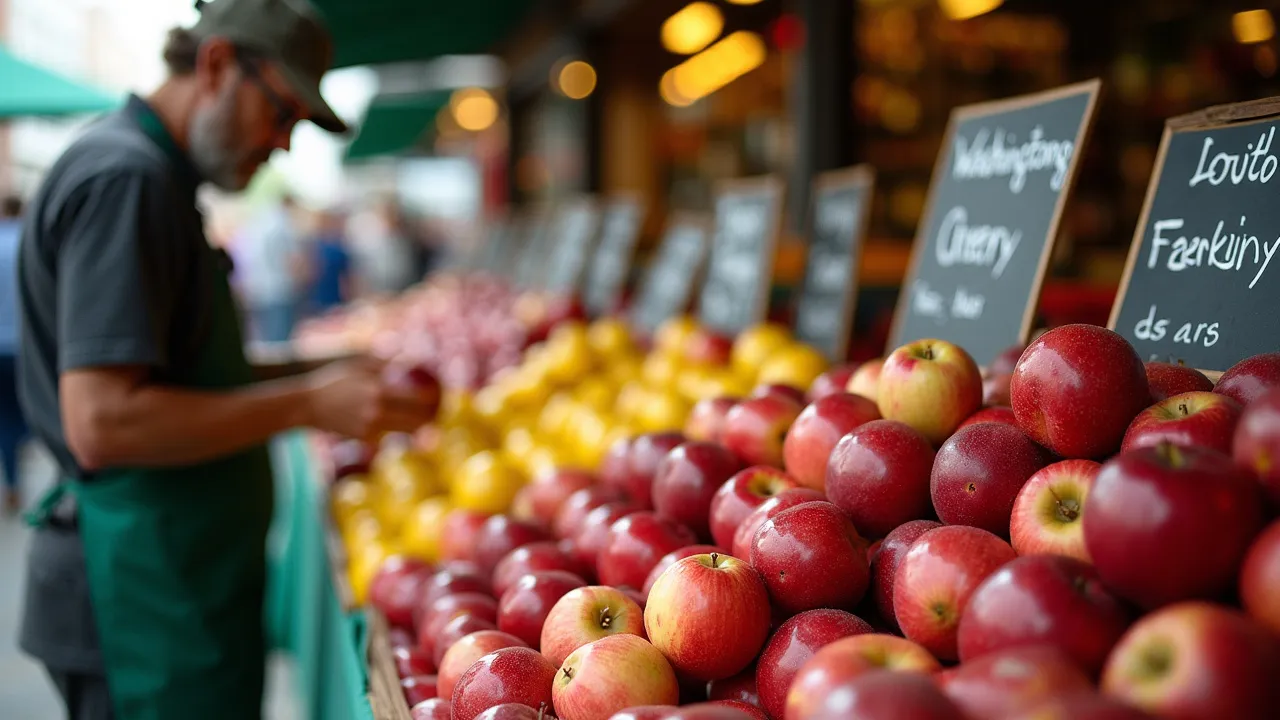
- Support Local Agriculture: Visit a farmer's market or a you-pick orchard to taste fresh Washington apples, cherries, and berries. Many farms offer special events on this day.
- Attend Community Events: Check local listings for parades, festivals, and concerts. Many towns host pancake breakfasts or salmon bakes to celebrate.
- Dine on Regional Cuisine: Enjoy a meal featuring Washington specialties like Dungeness crab, geoduck, or a craft beer from one of the state's 500+ breweries.
- Give Back: Volunteer with environmental organizations like the Washington Trails Association to help maintain the state's natural wonders.
Celebration Ideas for Schools and Organizations
Schools can organize a “Washington Week” with lessons on state symbols (the Olympic marmot, the coast rhododendron), geography projects, and a reading of the state constitution. Companies might host potlucks featuring local foods or sponsor a clean-up of a nearby park.
The Cultural Impact of Washington State
Washington State has left an indelible mark on American and global culture. Its indigenous heritage is celebrated through totem poles, canoe journeys, and museums like the Burke Museum. The state's music scene birthed grunge—Nirvana, Pearl Jam, and Soundgarden—while its literary tradition includes authors like Sherman Alexie and Tom Robbins. Seattle International Film Festival and Bumbershoot showcase the arts. The state's progressive values have influenced national policies on same-sex marriage, marijuana legalization, and environmental conservation.
Economic Significance: From Apples to Aerospace
Washington's economy is a powerhouse driven by technology, trade, and agriculture. Microsoft and Amazon are headquartered here, while Boeing manufactures its commercial airplanes in Everett. The Port of Seattle is a major gateway for trade with Asia. Agriculture contributes over $10 billion annually; Washington is the top U.S. producer of apples, cherries, pears, and hops for beer. The state also leads in renewable energy, with hydroelectric dams providing more than 70% of its electricity.
Natural Wonders and Outdoor Recreation
From the rugged coastline of the Olympic Peninsula to the arid scablands of the Columbia Basin, Washington's diverse landscapes offer year-round recreation. Mount Rainier (14,411 ft) dominates the skyline, while the North Cascades National Park boasts over 300 glaciers. The San Juan Islands are a haven for whale watching and kayaking. On National Washington State Day, many trails offer guided hikes, and state parks waive entrance fees.
Cuisine and Agriculture: A Taste of Washington
Washington's culinary scene is a blend of indigenous traditions, immigrant influences, and Pacific Rim flavors. Signature dishes include cedar-planked salmon, Dungeness crab cakes, and geoduck chowder. The state is the nation's largest producer of hops for craft beer, and its wine regions—including Walla Walla and Yakima Valley—produce world-class Cabernet Sauvignon and Riesling. Farmers markets abound, and many restaurants feature farm-to-table menus on this celebratory day.
Modern Legacy and Future Outlook
Washington continues to lead in technology, sustainability, and social innovation. The state's commitment to clean energy, its thriving startup scene, and its diverse population make it a model for the 21st century. National Washington State Day not only looks back at history but also inspires future generations to preserve the state's natural beauty and progressive spirit. As climate change impacts the region, efforts to protect forests, fish habitats, and water resources remain paramount.
Historical Timeline
Oregon Treaty establishes the boundary between U.S. and British Canada, paving the way for American settlement in the region.
Washington Territory is created from the Oregon Territory, with Olympia as its capital.
Washington State Constitution is signed on May 10, leading to statehood on November 11 as the 42nd state.
Boeing Company is founded in Seattle, beginning the region's aerospace industry.
Mount St. Helens erupts, causing widespread devastation and reshaping the landscape.
First official observance of National Washington State Day on May 10, marking the state's centennial.
Washington becomes a national leader in COVID-19 response and renewable energy initiatives.