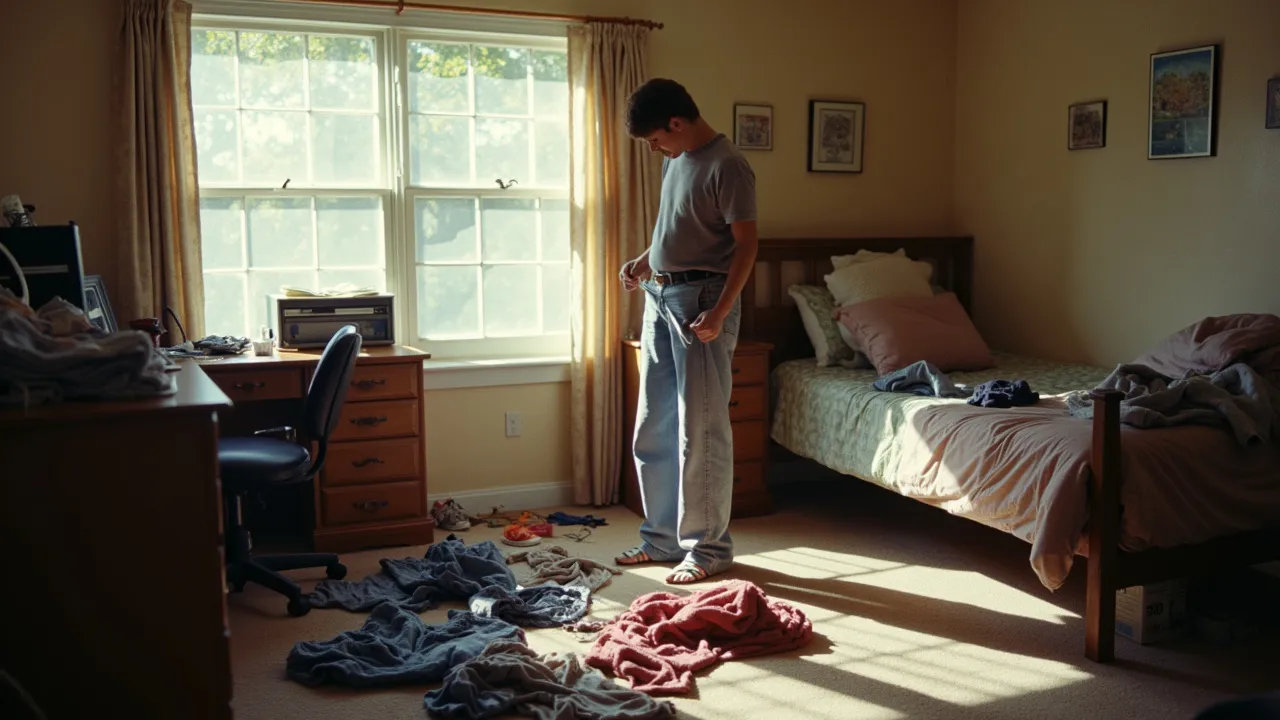
National Clean Up Your Room Day on May 10th encourages everyone to declutter and organize their personal spaces. This day promotes the physical and mental benefits of tidiness, from reduced stress to improved productivity, while honoring the simple yet profound act of cleaning one's own room.
The Historical Origins & Evolutionary Journey
The Foundational Catalyst
The exact origins of National Clean Up Your Room Day are somewhat murky, but the concept of designating a day for tidying personal spaces likely emerged from the broader cleanliness and organizational movements of the 19th and 20th centuries. The Industrial Revolution brought about a shift in domestic ideals, with cleanliness becoming a marker of moral virtue and social status. By the mid-20th century, as suburban lifestyles flourished and consumer goods multiplied, the need for regular decluttering became more apparent.
The Legislative/Official Adoption
While there is no official legislative act establishing National Clean Up Your Room Day, the day gained traction through grassroots efforts, school programs, and media campaigns. In the United States, the day is widely recognized and promoted by parenting blogs, educational institutions, and organizational experts. It serves as a springboard for teaching children responsibility and the value of maintaining a clean environment.
Modern Global Legacy
Today, the day transcends age and geography. In Japan, the concept of osouji (big cleaning) resonates strongly, often tied to year-end traditions. In Scandinavian countries, the 'lagom' philosophy encourages balanced, clutter-free living. National Clean Up Your Room Day has evolved into a global reminder of the psychological and practical benefits of orderliness, with millions participating annually on May 10th.
How to Celebrate National Clean Up Your Room Day
Personal Action Plan
To fully embrace the day, follow a structured approach:
- Start with a plan: Set a timer for 15 minutes and commit to tackling one area.
- Sort into piles: Keep, donate, trash, and relocate.
- Clean surfaces: Dust and wipe down furniture after decluttering.
- Organize with systems: Use bins, labels, and drawer dividers.
School and Family Celebrations
Schools often incorporate the day into lessons about responsibility and environmental stewardship. Families can turn cleaning into a game with rewards. In many countries, community centers host 'clean room workshops' teaching organizational skills.
Corporate and Social Rituals
Some companies encourage employees to clean their workspaces on May 10th, promoting a culture of tidiness and efficiency. Social media campaigns with hashtags like #CleanUpYourRoomDay inspire sharing before-and-after photos.
Global Variations
- Japan: Ties into osoji practiced at year-end, but many adopt a mini-version on May 10th.
- Germany: Known as 'Frühjahrsputz' (spring cleaning) but also celebrates this day with a focus on children's rooms.
- India: Often synchronized with 'Swachhata Diwas' (Cleanliness Day) on October 2nd, but some observe a parallel on May 10th.
The Psychological Benefits of an Organized Space
Reducing Stress and Anxiety
Clutter has been linked to increased cortisol levels. A tidy room creates a calming environment, reducing mental fatigue. Studies show that people with clean bedrooms sleep better and wake up more refreshed.
Boosting Productivity and Focus
A clutter-free space minimizes distractions, allowing deeper concentration. The act of cleaning itself can be meditative, helping to clear the mind. Many find that making the bed each morning sets a productive tone for the day.
Fostering Discipline and Responsibility
Regular cleaning routines build self-discipline. For children, maintaining their room teaches ownership and pride in their environment. This day reinforces these habits on a national scale.
Environmental Impact & Sustainable Decluttering
Reducing Waste Through Donation and Recycling
Cleaning out a room often unearths items that can be reused or recycled. Many charities accept gently used clothing, books, and toys. On this day, communities organize collection drives to keep usable items out of landfills.
Eco-Friendly Cleaning Products
Opt for natural cleaners like vinegar and baking soda to minimize chemical runoff. The day promotes sustainable cleaning practices, encouraging people to avoid single-use wipes and harsh detergents.
Minimalism as a Lifestyle
The day aligns with the minimalism movement, advocating for 'less is more'. By letting go of unnecessary possessions, individuals reduce their environmental footprint and focus on quality over quantity.
Cultural and Societal Themes Around Tidiness
Cleanliness in Different Cultures
In many Eastern cultures, cleanliness is intertwined with spiritual purity. For example, in Shintoism, cleaning is a sacred act. In Western societies, cleanliness is often associated with social status and personal success.
Generational Shifts
Older generations often place a high value on orderliness, while younger generations may embrace 'organized chaos' but still benefit from periodic clean-ups. The day bridges these perspectives, offering a common ground.
The Role of Technology
Digital clutter is also addressed. National Clean Up Your Room Day now often includes cleaning digital files, organizing desktops, and unsubscribing from unnecessary emails.
Industry Transformations: The Organizing and Cleaning Market
Rise of Professional Organizers
The day has boosted demand for professional organizers, who offer services for homes and offices. The organizing industry has grown significantly, with many certifications now available.
Innovative Products
Companies launch storage solutions, labeling systems, and smart bins timed with the day. Marketing campaigns peak around May 10th, leveraging the occasion to promote new organizational tools.
Media Influence
Television shows like 'Tidying Up with Marie Kondo' have popularized the KonMari method, which many apply on this day. Social media influencers share tips, reaching millions and shaping consumer behavior.
Historical Timeline
Domestic science movements in Europe and America promote cleanliness as a moral virtue, laying groundwork for organized cleaning days.
Post-war consumer boom leads to more household goods, increasing the need for decluttering. Parenting magazines begin suggesting annual 'clean room' days.
Environmental movement sparks interest in reducing waste; 'Clean Up Your Room Day' informally observed in some schools.
First known mention of 'National Clean Up Your Room Day' in American greeting card companies' promotional calendars.
Internet amplifies the day's reach; blogs and forums share tips. The day becomes widely recognized in the U.S. and begins spreading globally.
Marie Kondo's book 'The Life-Changing Magic of Tidying Up' published, revolutionizing decluttering practices and boosting interest in the day.
COVID-19 lockdowns increase focus on home organization; National Clean Up Your Room Day sees record participation and social media engagement.