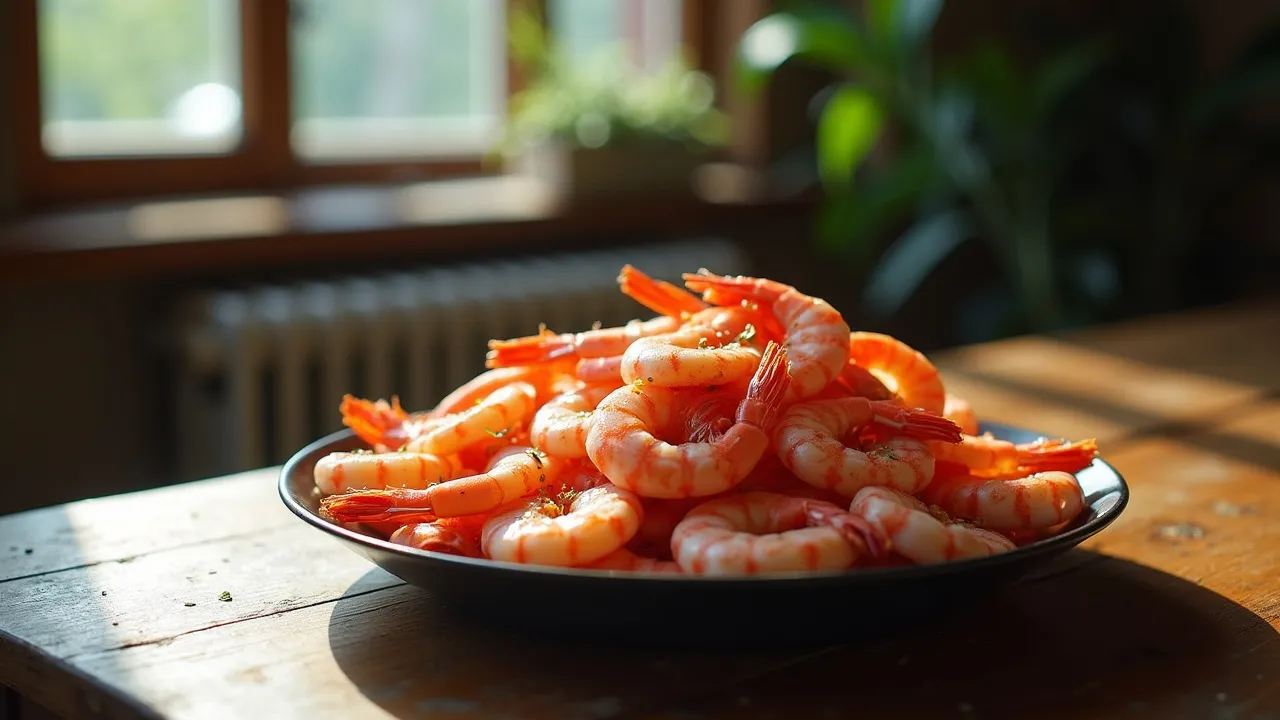
National Shrimp Day, observed annually on May 10th, celebrates one of the world's most beloved seafood delicacies. This day honors shrimp's culinary versatility, economic importance, and cultural significance across continents.
The Historical Origins & Evolutionary Journey
National Shrimp Day, celebrated each year on May 10th, traces its roots to the early 2000s when the American Shrimp Processors Association (ASPA) sought to promote the domestic shrimp industry. The day was officially launched in 2002, initially as a marketing initiative to boost consumption of U.S.-caught shrimp. Over time, it evolved into a broader celebration of shrimp's global culinary and economic impact.
The Foundational Catalyst
The catalyst for National Shrimp Day was the growing competition from imported shrimp, which threatened the livelihoods of American shrimpers. ASPA recognized the need for a dedicated day to educate consumers about the quality, sustainability, and versatility of domestic shrimp. The first celebration in 2002 included promotional events at seafood markets, cooking demonstrations, and partnerships with restaurants across the Gulf Coast.
The Legislative/Official Adoption
While National Shrimp Day is not a federal holiday, it gained official recognition through proclamations by local governments in shrimp-producing states like Louisiana, Texas, and Mississippi. The day also received support from the National Fisheries Institute and the Southern Shrimp Alliance. By 2010, it had become a fixture on the American food holiday calendar.
Modern Global Legacy
Today, National Shrimp Day is celebrated not only in the United States but also in countries with strong shrimp cultures, such as Thailand, India, and Mexico. Social media campaigns, sustainable seafood certifications, and global cook-offs have transformed it into a worldwide event. The day now emphasizes responsible consumption and highlights the importance of preserving shrimp habitats.
How to Celebrate National Shrimp Day
National Shrimp Day offers endless possibilities for individuals, families, and businesses to honor this crustacean. Here is the definitive guide to celebrating with authenticity and flair.
For Individuals and Families
- Cook a Shrimp Feast: Experiment with diverse recipes, from classic shrimp scampi to spicy Thai shrimp curry. Use fresh or frozen wild-caught shrimp for best flavor.
- Host a Shrimp Tasting Party: Sample shrimp prepared in different styles—grilled, fried, boiled, and ceviche. Invite friends to vote on their favorite preparation.
- Visit a Local Seafood Market: Learn about shrimp varieties and support local fishermen. Ask about the catch's origin and sustainability.
- Educate Yourself: Watch documentaries about shrimp fishing or read about aquaculture practices. Understanding the industry enhances appreciation.
For Restaurants and Businesses
- Special Menus: Create limited-time shrimp dishes, such as shrimp tacos, po' boys, or shrimp sushi rolls. Offer discounts on shrimp-based appetizers.
- Social Media Campaigns: Use hashtags like #NationalShrimpDay and #ShrimpLove. Share behind-the-scenes videos of shrimp preparation.
- Partner with Fisheries: Host events featuring local shrimpers and promote sustainable sourcing.
Cultural Variations Around the World
In Thailand, National Shrimp Day coincides with the start of the rainy season, and people offer shrimp-based dishes to monks. In India, coastal communities hold shrimp festivals with traditional dances and feasts. In Mexico, the day is marked by large public cook-offs of camarones a la diabla. These regional variations enrich the global celebration.
Shrimp Industry: Global Economic Impact
The shrimp industry is a multi-billion-dollar global enterprise, employing millions worldwide. According to the FAO, shrimp aquaculture (farming) provides over 3 million jobs, while wild-caught shrimp supports another 1 million fishers. The United States alone imports over $6 billion worth of shrimp annually, making it the most consumed seafood in the country. National Shrimp Day shines a spotlight on the economic drivers behind this trade.
Top Producing Countries
- China – The largest producer, with a mix of wild and farmed shrimp.
- India – Second-largest, known for its black tiger shrimp.
- Ecuador – A leader in sustainable aquaculture.
- Vietnam – Major exporter of whiteleg shrimp.
- United States – Primarily wild-caught from the Gulf of Mexico.
The day also highlights challenges such as price volatility, disease outbreaks in farms, and overfishing. Efforts like the Marine Stewardship Council (MSC) certification help consumers identify responsibly sourced products.
Nutritional Profile and Health Benefits
Shrimp is a nutrient-dense food packed with high-quality protein, vitamins, and minerals. A 3-ounce serving provides about 20 grams of protein with only 84 calories. It is an excellent source of selenium, vitamin B12, and iodine. Shrimp also contains astaxanthin, a powerful antioxidant that may reduce inflammation and improve heart health.
Common Myths Debunked
- Myth: Shrimp is high in cholesterol. Fact: Dietary cholesterol has minimal impact on blood cholesterol for most people; shrimp's omega-3s actually support cardiovascular health.
- Myth: All shrimp are farmed unsustainably. Fact: Many farms now implement best practices; look for BAP (Best Aquaculture Practices) certification.
National Shrimp Day encourages mindful consumption, emphasizing that shrimp can be part of a balanced diet when sourced ethically.
Environmental Sustainability and Ethical Considerations
Shrimp farming and fishing can have significant environmental impacts, including habitat destruction, bycatch, and water pollution. National Shrimp Day serves as a platform to promote sustainable practices. Key issues include:
- Mangrove Deforestation: Shrimp farms often replace vital mangrove forests, which protect coastlines and support biodiversity.
- Bycatch: Wild shrimp trawling unintentionally catches turtles, fish, and other marine life. Turtle excluder devices (TEDs) have reduced this problem.
- Antibiotic Use: Some farms overuse antibiotics, leading to resistance. Certifications ensure responsible use.
Consumers can make a difference by choosing wild-caught Gulf shrimp or farmed shrimp from certified sources. National Shrimp Day raises awareness that every purchase has an ecological footprint.
Shrimp in Popular Culture and Cuisine
Shrimp has a special place in global cuisines, from Japanese tempura to Southern shrimp and grits. In the United States, the shrimp farming boom in the 1980s made it affordable, leading to its popularity in fast food and casual dining. Famous dishes include:
- Shrimp Cocktail – A classic starter with cocktail sauce.
- Shrimp Scampi – Italian-American dish with garlic, butter, and wine.
- Bang Bang Shrimp – Spicy, creamy appetizer from Bonefish Grill.
- Shrimp Pad Thai – Stir-fried noodles with tamarind sauce.
National Shrimp Day encourages home cooks to explore these recipes and celebrate shrimp's versatility. Social media trends often feature #ShrimpRecipes and #ShrimpDayEats, creating a virtual community of shrimp lovers.
Historical Timeline
National Shrimp Day is founded by the American Shrimp Processors Association (ASPA) to promote domestic shrimp consumption and support Gulf Coast shrimpers.
Hurricane Katrina devastates Gulf shrimp fisheries; National Shrimp Day serves as a rallying point for recovery efforts and donations.
The Deepwater Horizon oil spill threatens Gulf shrimp habitats; National Shrimp Day highlights sustainability and the need for restoration.
National Shrimp Day gains international recognition with celebrations in Europe and Asia, focusing on sustainable aquaculture practices.
The day sees its largest social media campaign, with over 1 million posts using #NationalShrimpDay.
Several U.S. states issue proclamations declaring May 10th as National Shrimp Day, cementing its status as an official observance.
National Shrimp Day incorporates a focus on climate-resilient farming techniques, adapting to rising sea temperatures.