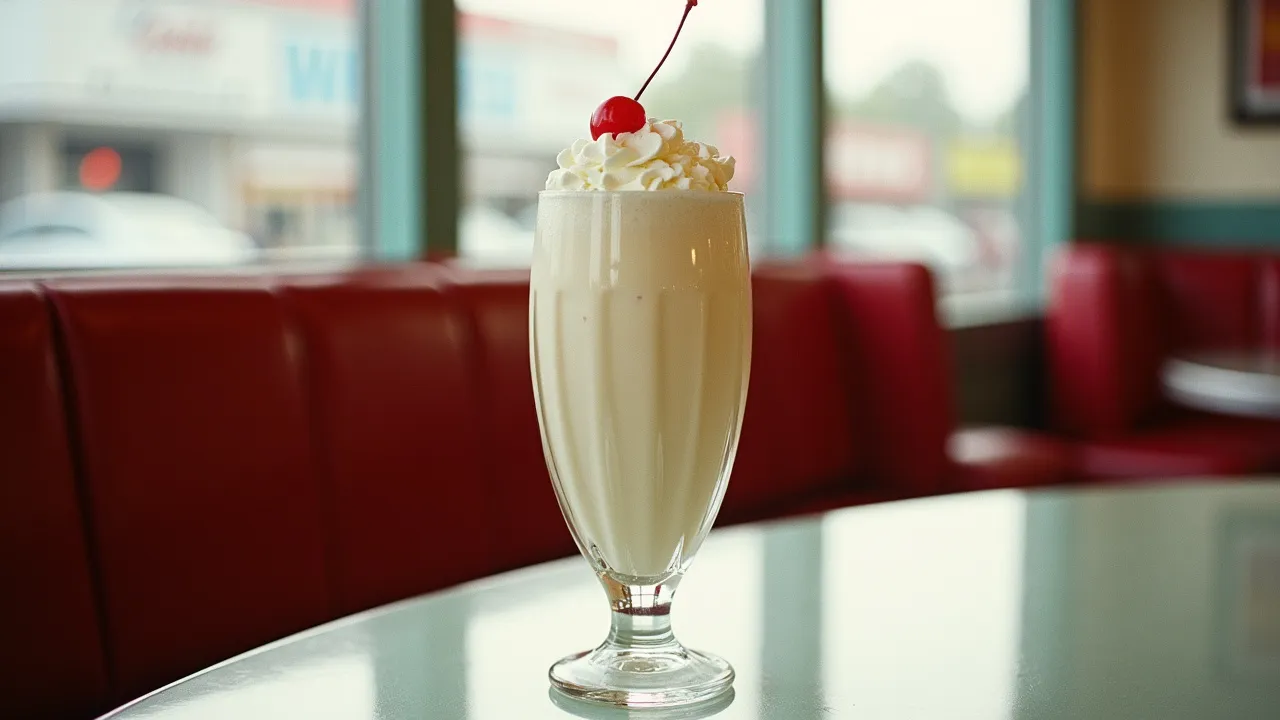
National Vanilla Milkshake Day, celebrated annually on June 20th, honors the timeless, creamy vanilla milkshake. This day encourages indulging in this classic beverage, exploring its rich history, and enjoying variations from diners to gourmet kitchens worldwide.
The Historical Origins & Evolutionary Journey
National Vanilla Milkshake Day, observed annually on June 20th, is a celebration of one of America's most beloved beverages. The vanilla milkshake has a storied past that intertwines with the evolution of soda fountains, ice cream, and culinary innovation. This section delves into its origins, official recognition, and global legacy.
The Foundational Catalyst: From Soda Fountains to Shakes
The milkshake's origins date back to the late 19th century, when the term first appeared in print in 1885. However, these early "milkshakes" were alcoholic, eggnog-like drinks. The non-alcoholic, ice cream-based version emerged in the early 20th century, thanks to the invention of the electric blender in 1922 by Stephen Popławski. The blender allowed for the smooth, thick consistency we associate with milkshakes today. By the 1930s, malted milkshakes (with malted milk powder) became popular, and vanilla emerged as the classic flavor base.
The Legislative/Official Adoption: Establishing a National Day
While the exact year of National Vanilla Milkshake Day's inception is not formally recorded, it is widely attributed to the International Dairy Foods Association (IDFA) in the early 2000s as part of a campaign to promote dairy consumption, particularly during the summer months. June was chosen because it is National Dairy Month, and the 20th was selected to fall within that period. The day quickly gained traction through social media and food bloggers, becoming an unofficial national observance recognized by calendars worldwide.
Modern Global Legacy: From Diner Staple to Gourmet Craft
Today, the vanilla milkshake has evolved far beyond its diner roots. Artisanal ice cream shops and gourmet restaurants experiment with single-origin vanilla beans, organic milk, and creative toppings like macarons or edible flowers. Health-conscious variations use plant-based milks and natural sweeteners. The day is celebrated not just in the United States but also in countries like Canada, Australia, and the United Kingdom, where milkshakes are a beloved treat. Social media platforms buzz with #VanillaMilkshakeDay posts, showcasing homemade concoctions and nostalgic diner visits.
How to Celebrate National Vanilla Milkshake Day
This day offers a perfect excuse to indulge in the creamy, comforting taste of a vanilla milkshake. Whether you prefer classic simplicity or adventurous twists, here are comprehensive ways to celebrate around the world.
- Make a Classic Vanilla Milkshake at Home: Use high-quality vanilla ice cream, whole milk, and a blender. For extra richness, add a splash of vanilla extract or a dollop of whipped cream.
- Visit a Local Diner or Ice Cream Parlor: Many establishments offer specials on National Vanilla Milkshake Day. Support local businesses and enjoy a nostalgic experience.
- Experiment with Gourmet Variations: Add flavors like caramel, chocolate syrup, or fresh berries. For an adult twist, spike it with bourbon or rum (responsibly).
- Organize a Milkshake Party: Host a gathering where guests create their own milkshakes with a toppings bar: sprinkles, crushed cookies, nuts, and fruits.
- Share on Social Media: Post a photo of your shake with #NationalVanillaMilkshakeDay and tag friends to encourage participation.
- Incorporate into School or Office Events: Plan a milkshake break during the day. Schools can teach the history of milkshakes as a fun educational activity.
Regional Traditions
In the United States, diners and fast-food chains often run promotions. In the United Kingdom, where milkshakes are sometimes called ‘thick shakes,'' cafes offer limited-time flavors. In Australia, summer celebrations (as June is winter) mean enjoying warm milkshakes in cozy settings. In Japan, unique flavors like matcha or sakura are blended with vanilla base for a fusion experience.
Global Impact of the Vanilla Milkshake
While seemingly simple, the vanilla milkshake has a significant cultural and economic footprint worldwide. From supporting dairy farmers to inspiring culinary creativity, its impact is far-reaching.
Economic Contributions
The milkshake industry is a multi-billion dollar segment of the global food service market. In the U.S. alone, milkshake sales contribute heavily to the dairy industry, with over 1.5 billion shakes sold annually. National Vanilla Milkshake Day boosts sales at diners, quick-service restaurants, and ice cream shops, providing a seasonal revenue spike. Additionally, the vanilla bean trade supports farmers in Madagascar, Mexico, and Tahiti, making the day indirectly tied to global agricultural economies.
Cultural Symbolism
Vanilla milkshakes evoke nostalgia for mid-century American culture, often depicted in movies and TV shows as the quintessential diner drink. They symbolize comfort, simplicity, and indulgence. Around the world, the milkshake has been adapted to local palates—in India, kulfi-based milkshakes; in the Middle East, saffron and rose water versions. This adaptability makes the vanilla milkshake a global ambassador of culinary fusion.
Health and Nutritional Discussions
As health consciousness rises, the day also prompts conversations about balanced indulgence. Many brands now offer low-sugar, dairy-free, or protein-fortified vanilla milkshakes. Nutritionists often highlight the calcium and vitamin D benefits of dairy-based shakes, while also cautioning about sugar content. The day can be used to promote mindful eating and homemade, wholesome alternatives.
The Science and Art of the Perfect Vanilla Milkshake
Crafting the ideal vanilla milkshake involves a blend of chemistry and artistry. Understanding the science behind its creamy texture can elevate your homemade creation.
Ingredient Chemistry
The perfect shake balances fat content from ice cream and milk, with a ratio of about 2:1 ice cream to milk. Over-blending causes melting and a watery consistency, while under-blending leaves ice crystals. The use of high-quality vanilla extract (not imitation) provides complex flavor notes. Adding a pinch of salt enhances sweetness and rounds out the taste.
Equipment Tips
A high-speed blender is key, but a milkshake machine or even a hand mixer can work. Chill the glass beforehand to keep the shake cold. For thicker shakes, freeze the milk into ice cubes before blending. The order of ingredients matters: liquids first, then ice cream, to ensure even mixing.
Variations to Try
- Malted Vanilla Shake: Add 2 tablespoons malted milk powder.
- Vegan Vanilla Shake: Use coconut or oat milk ice cream and almond milk.
- Protein Vanilla Shake: Blend in a scoop of vanilla protein powder and use skim milk.
- Spiced Vanilla Shake: Add cinnamon, nutmeg, or cardamom for a warm twist.
Milkshake Day in Popular Culture and Media
National Vanilla Milkshake Day has permeated popular culture, appearing in various forms of media and social trends.
Film and Television
Milkshakes have iconic moments in film, such as the famous milkshake scene in Pulp Fiction (1994) and the nostalgic diner scenes in Grease (1978). More recently, TV shows like Stranger Things feature characters enjoying milkshakes at the local diner, reinforcing the beverage's role as a symbol of Americana. On June 20th, streaming services often curate playlists featuring such scenes.
Social Media and Viral Trends
On platforms like TikTok and Instagram, users share milkshake recipes, behind-the-counter diner tours, and challenges like the "Thickest Shake Contest." Influencers collaborate with dairy brands to create limited-time flavors, driving engagement. The hashtag #NationalVanillaMilkshakeDay typically trends, with millions of impressions.
Corporate Promotions
Major chains like Shake Shack, Five Guys, and McDonald's often offer discounts or free upgrades on this day. Smaller independent shops use the day to debut signature shakes, fostering community and customer loyalty. The marketing campaigns emphasize indulgence and nostalgia, aligning with summer festivities.
Environmental and Ethical Considerations
As with many food observances, National Vanilla Milkshake Day also invites reflection on sustainability and ethical sourcing.
Vanilla Sourcing
Real vanilla is one of the most labor-intensive crops, primarily grown in Madagascar. The industry faces challenges of price volatility, child labor, and environmental degradation. Fair trade and organic certifications help ensure ethical practices. Consumers can choose brands that source vanilla responsibly or opt for vanilla from alternative origins like Indonesia.
Dairy Industry Impact
Dairy production has significant environmental costs, including greenhouse gas emissions and water usage. For those concerned, plant-based milkshake alternatives (soy, almond, oat) have lower footprints. However, dairy farming also supports rural economies. The day can serve as a platform for discussing sustainable dairy practices, such as rotational grazing and renewable energy on farms.
Waste Reduction
Single-use cups and straws are common for takeaway shakes. Celebrate with reusable glassware or compostable materials. Homemade shakes minimize packaging waste. Many cafes offer discounts to customers who bring their own cups on this day.
Historical Timeline
The term 'milkshake' first appears in print, referring to an alcoholic, eggnog-like drink.
Stephen Popławski invents the electric blender, enabling the smooth, thick milkshakes we know today.
Malted milkshakes become popular, with vanilla as the standard base flavor.
Milkshakes become a staple of American diner culture, often served with burgers and fries.
National Vanilla Milkshake Day is established, likely by the International Dairy Foods Association, observed on June 20th.
Artisanal and gourmet milkshakes gain popularity, with creative toppings and dairy-free variations.
Social media drives the day's global reach, with viral challenges and brand collaborations.